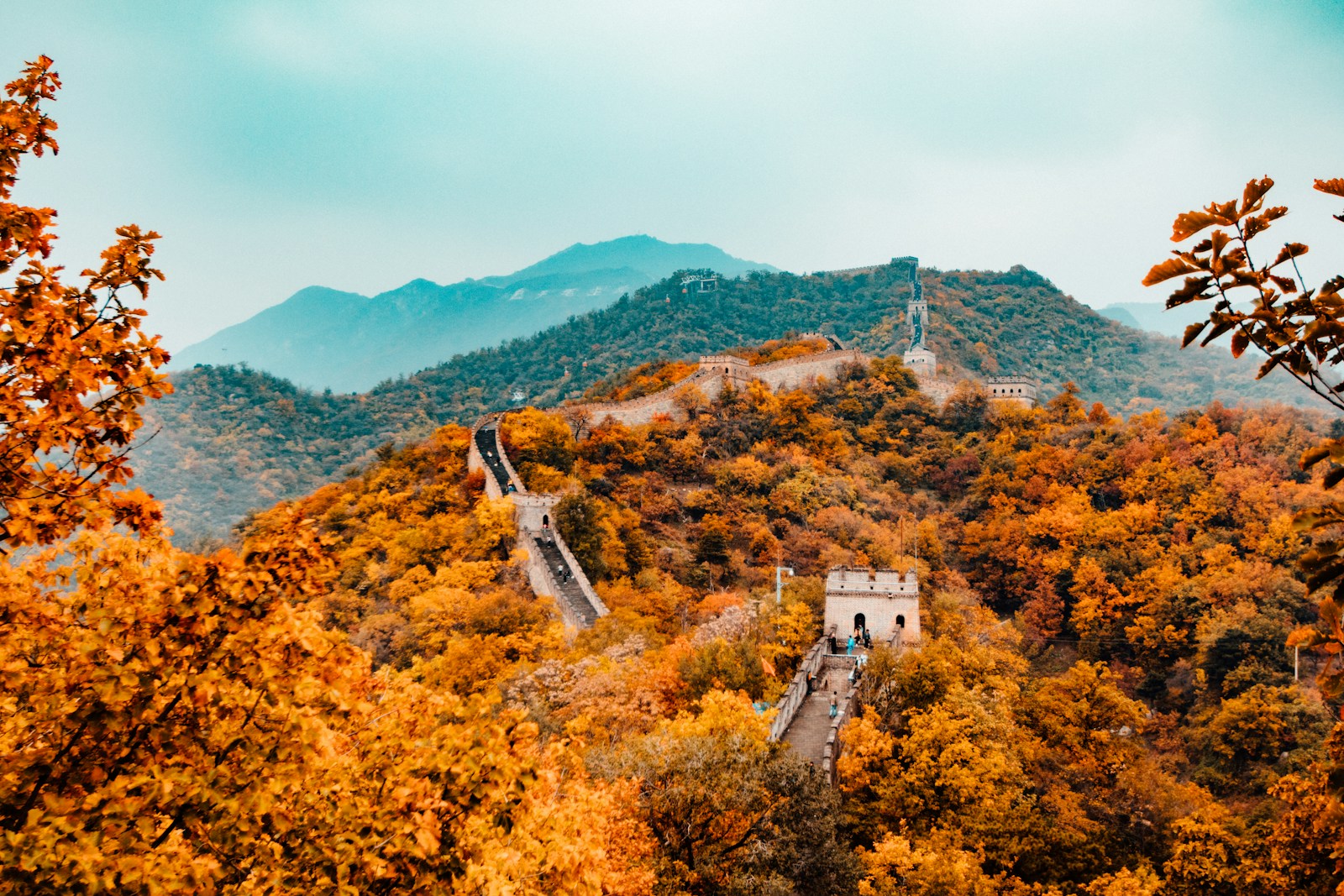
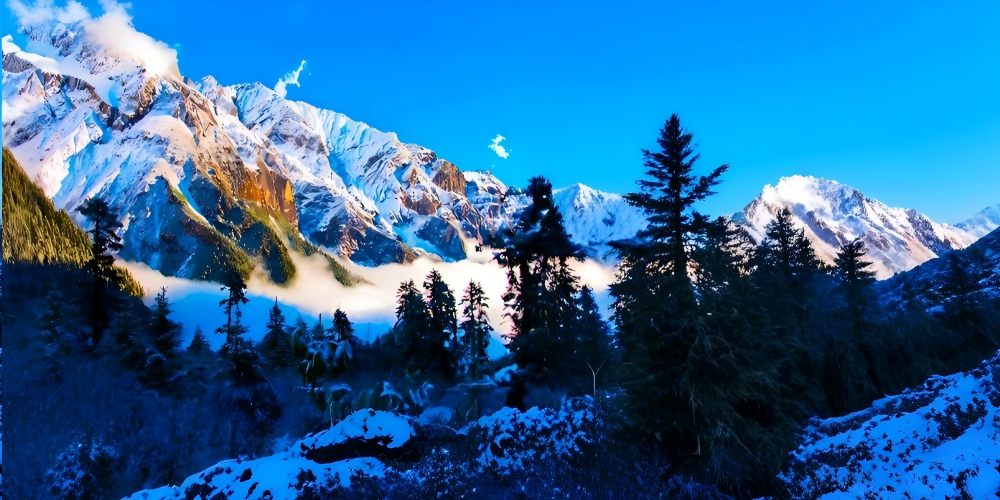
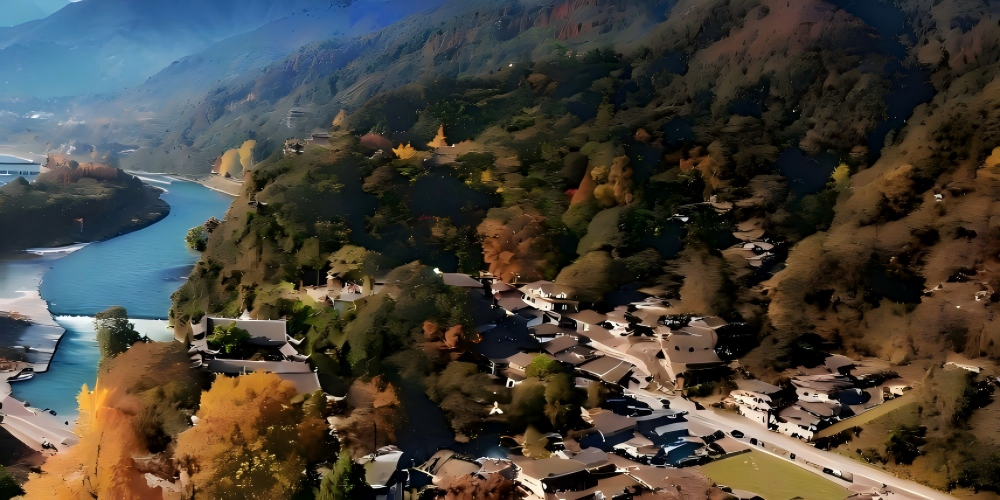
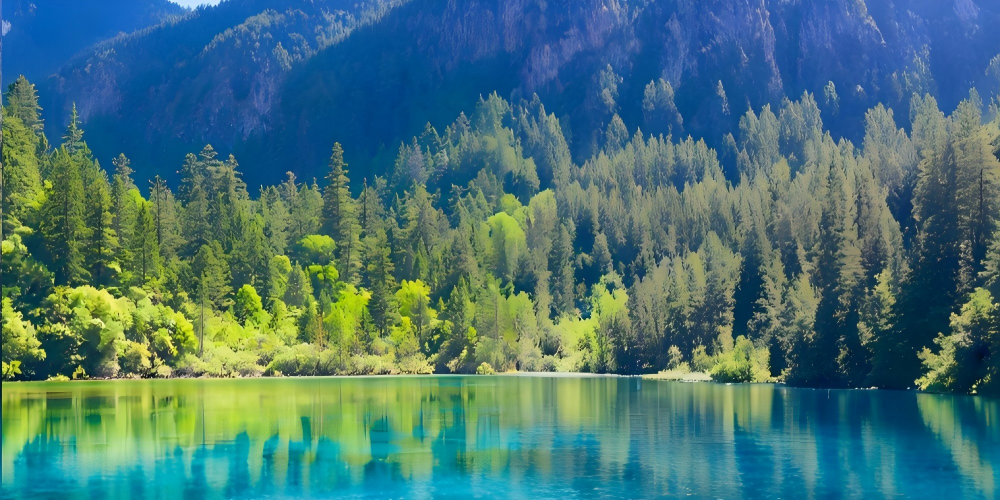
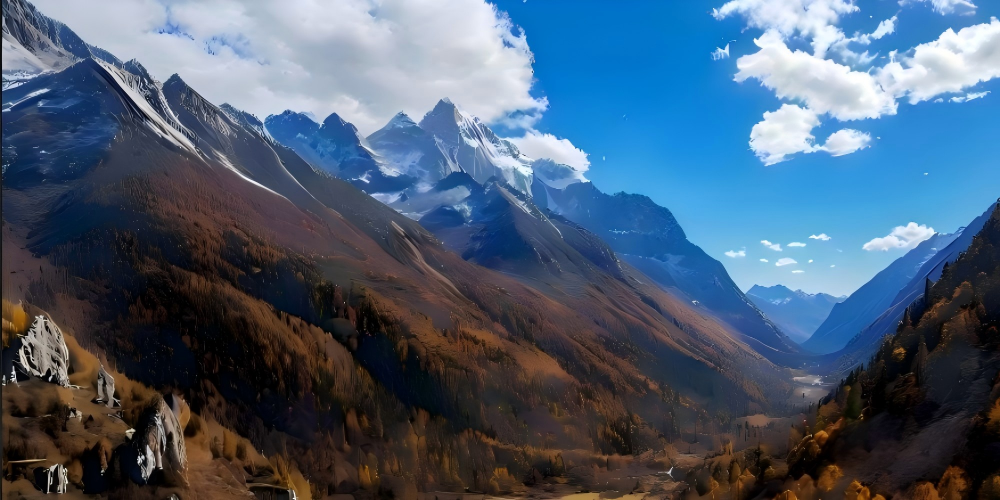
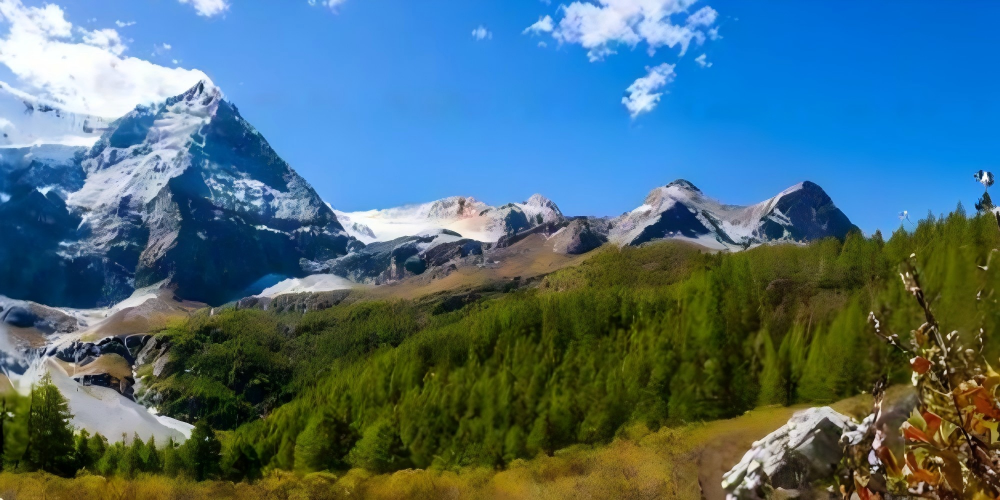
Hailuogou Scenic Area blends natural beauty with rich historical, tea-horse trade, revolutionary, and folk cultures. This multifaceted destination offers sightseeing, leisure retreats, health recuperation, summer escapes, ecological exploration, scientific research, adventure activities, mountain climbing, and photography opportunities - forming a captivating stop along Sichuan's western tourism circuit.The attraction originates from the eastern slope of Mount Gongga, with its main valley stretching approx. 30.7 km and covering an area of 220 sq km. Formed 16 million years ago, it features modern maritime glaciers. The entire area showcases vertical bioclimate zones with "four seasons in one valley," including alpine snow peaks, glacial waterfalls, primeval forests, geothermal hot springs, red stone parks, and glacial forests. It is home to approx. 3,000 species of vascular plants and over 400 species of wildlife.
2–3 days
From USD 2.96
주요 포인트
No. 1 of Family-friendly Attractions in Ganzi Prefecture
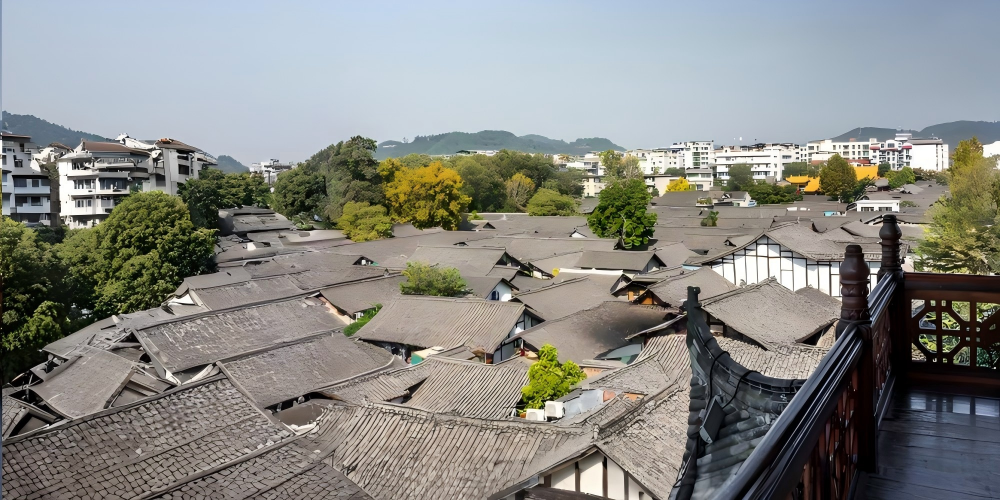
The ancient town of Huanglongxi is located roughly 40 kilometers from Chengdu and boasts a history of over 1700 years. There are cobbled streets from the Ming and Qing dynasties, along with ancient memorial archways, temples, buildings and houses. A traditional festival is called the Fire Dragon Festival. The event is so well known that Huanglongxi is nicknamed the "the village of the Chinese fire dragon". The village is used as a set for films today, including films like Hibiscus Town (Fu rong zhen). The local snacks of Huanglongxi are also well-known. One-strand noodle, crispy pork legs, pearl tofu pudding and braised yellow catfish are all worth a taste!
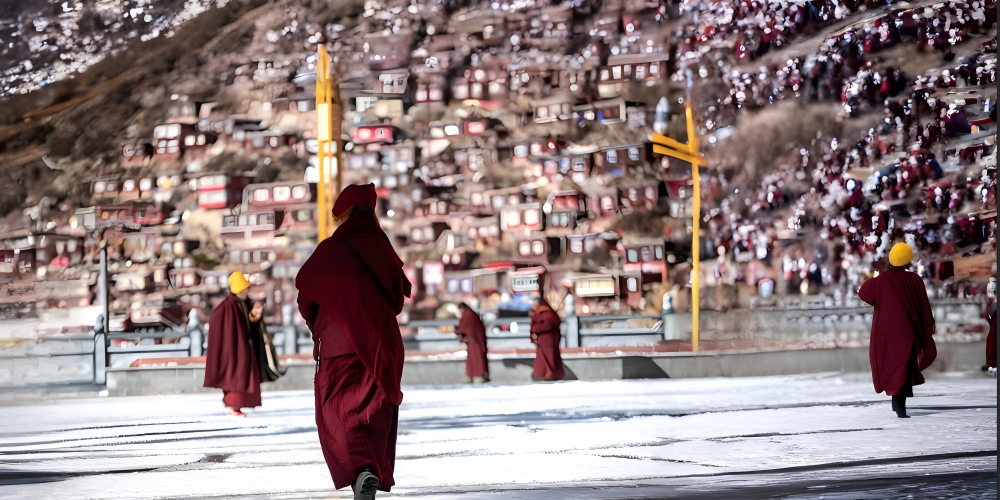
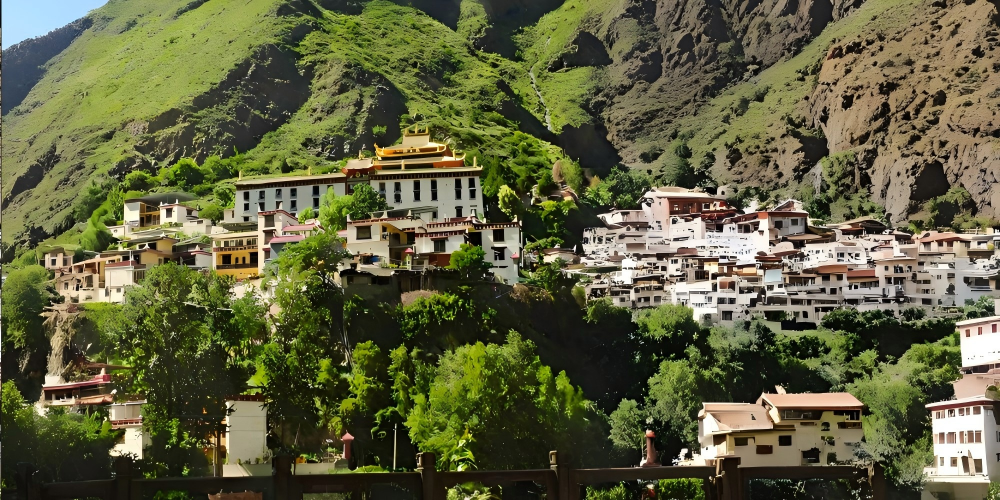
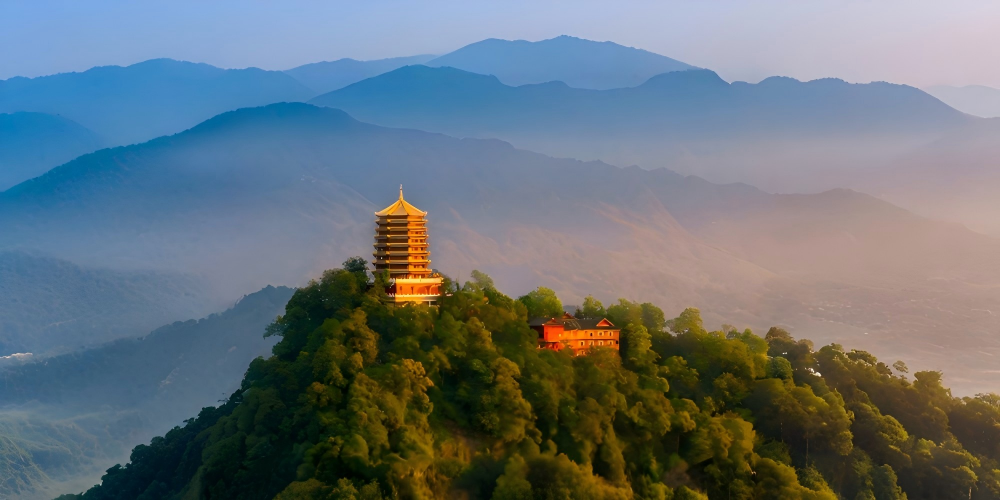
The temple complex is located about 20 kilometers southeast of Seda County, surrounded by mountains. With the Great Sutra Hall as the core, thousands of small wooden houses are densely packed on the hillside like an ant nest. The numerous crimson wooden houses are undulating and spectacular.From the hillside covered with prayer flags southwest of the pagoda, you can overlook the entire Buddhist college and take photos of the entire scene.
3–5 hours
Free
주요 포인트
Historic landmarkNight viewNo. 1 of Night Attractions in Ganzi Prefecture
Jiaju Zangzhai is located in Danba County, Ganzi Prefecture. It is a Tibetan dwelling village with Jiabao Tibetan characteristics. Playing in the Tibetan village, the panoramic view on the hillside opposite the stockade is quite spectacular. After entering the Tibetan village, only a scattered Tibetan-style building can be seen. There is a layer of livestock in the bottom of the building. In turn, there are pots and pans, living rooms, halls and furniture, and some buildings also have balconies. The white walls are painted with sun, moon and stars and religious patterns, beautiful and spectacular.
3–5 hours
주요 포인트
Night viewNo. 2 of Night Attractions in Ganzi Prefecture
Xindu Bridge, also known as East Russia, is located at the fork of the Sichuan-Tibet North-South Line of National Highway 318. It is known as "a photographer's paradise". Here you can take pictures of boundless meadows, winding streams, golden autumn leaves, large areas of cattle and sheep foraging on the hillside, and scattered Tibetan villages. The shutter can produce a beautiful landscape photo. Play in Xinduqiao and appreciate her unparalleled charm, where mountains, water, trees, cattle and grass are intertwined, you will feel as if you are in a pastoral landscape painting. No wonder it is known as "the world of light and shadow" and "photographer's paradise". No one will take Xinduqiao as the end of a trip, it is just a post on the road to Tibet. It can be reached in one day from Chengdu along National Road 318, and then go north on National Road 317 (North Sichuan-Tibet Line) or continue westward on National Road 318 (South Sichuan-Tibet Line).
1–3 hours
Free
주요 포인트
Mountain climbingNight viewNo. 6 of Best Things to Do in Ganzi Prefecture
The Jianmen Pass is located in Jiange County between Dajian Mountain and Xiaojian Mountain. It has been famous throughout history, holding an important position militarily due to its precipitous topography and ease of defense. Visitors to the scenic area can take the easier “Bird Path” of the mountain, or the “Ape Route,” which requires renting professional mountain climbing equipment.
4–6 hours
From USD 14.76 (market USD 15.5)
주요 포인트
Historic landmarkNo. 12 of Cool Water Escapes in Sichuan
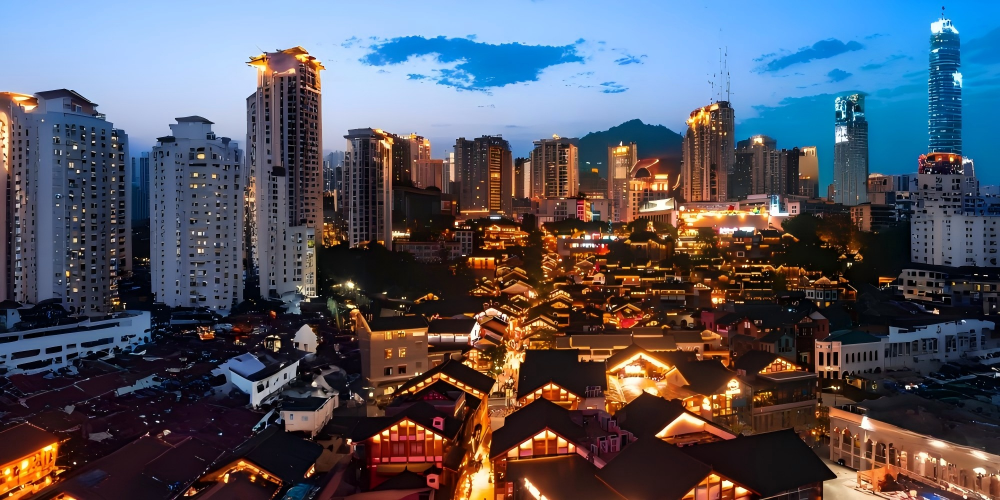
Kuanzhai Alley is an ancient street in Chengdu left over from the Qing Dynasty. It is composed of three parallel lanes - a wide alleyway, a narrow alleyway and a criss-crossed alleyway, with courtyards between them. Here, you may drink tea, eat hotpot and experience the old and new way of life in Chengdu. It is one of the hotspots in Chengdu where old folks come together and carry out their activities. Kuanzhai Alley also comes alive at night due to a couple of modern bars situated there. Feel free to check it out if you are a night-life person.
2–3 hours
From USD 0
주요 포인트
Historic landmarkNight viewNo. 4 of Night Attractions in Sichuan
Langzhong Ancient Town is located along the bank of the Jialing River in Nanchong and is one of China’s four major ancient towns. Its more than 2000 years of history are well-preserved, and the town has an extremely unique layout. The famous general Zhang Fei of the Three Kingdoms Period once garrisoned at Langzhong for 7 years. In Langzhong, you can stroll the ancient lanes, visit the Zhang Fei Temple, look out across the whole town from Jinping Mountain, and enjoy the leisurely pace of local life. The folk customs here are rich and varied. The on-site performance of the show Langyuan Xianjing includes many folk performances and is worth watching. A lot of fun activities are available during the Spring Festival period.
1–2 days
From USD 2.22
주요 포인트
Historic landmarkBoat tourNo. 1 of Best Things to Do in Nanchong
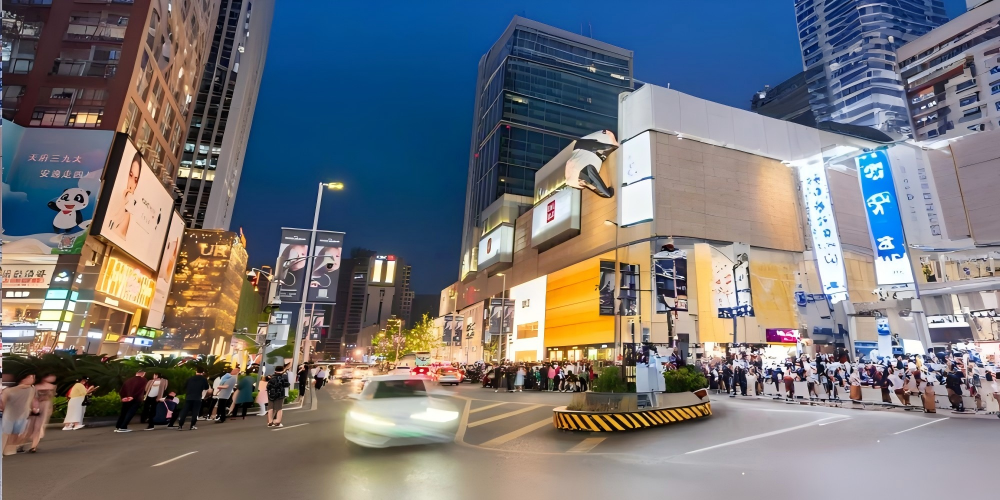
Chunxi Road is the fashion hub of Chengdu and a culinary hotspot. Exploring this iconic commercial pedestrian street and indulging in local delicacies is a must-do when visiting Chengdu.Chunxi Road is not just a single street, but refers to the area east of Beixin Street, south of Zongfu Road, west of Hongxing Road, north of Dongda Street, as well as Nanxin Street, Zhongxin Street and their surrounding areas. For visitors to Chengdu, missing out on Chunxi Road would be as regrettable as skipping Wangfujing in Beijing or Nanjing Road in Shanghai.On both sides of Chunxi Road, you'll find a vibrant mix of century-old shops, trendy malls, brand boutiques, and delicious snack stalls. Famous local eateries like Zhong's Dumplings, Lai's Tangyuan, Han's Steamed Buns, and Long's Wonton all have branches here. On weekends, this area also serves as a popular leisure spot for Chengdu residents.The intersection of Chunxi Road's main street is the famous Zhongshan Square, where the bronze statue of Sun Yat-sen stands. At the northern entrance, there's also a Chengdu folk-custom relief art wall carved from granite, depicting various scenes of Tang Dynasty Chengdu, including temple fairs, flower festivals, lantern festivals, and mulberry picking.
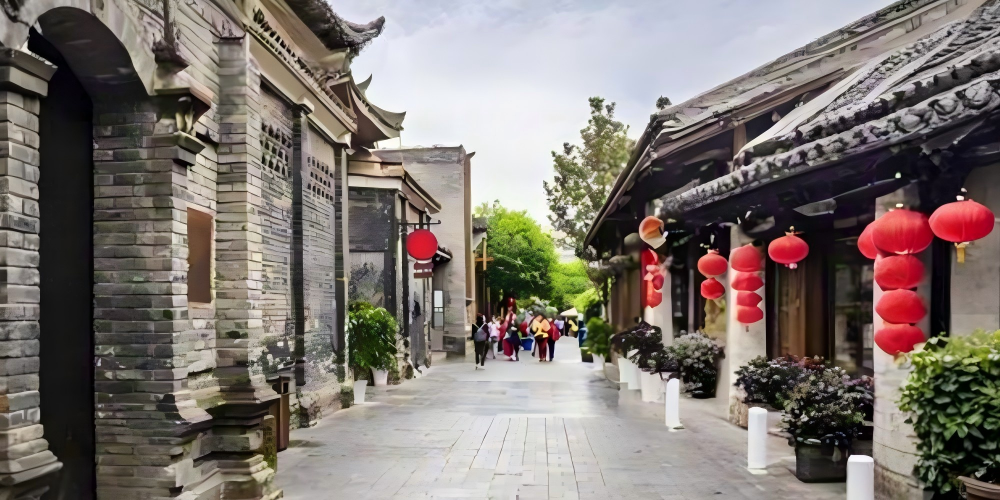
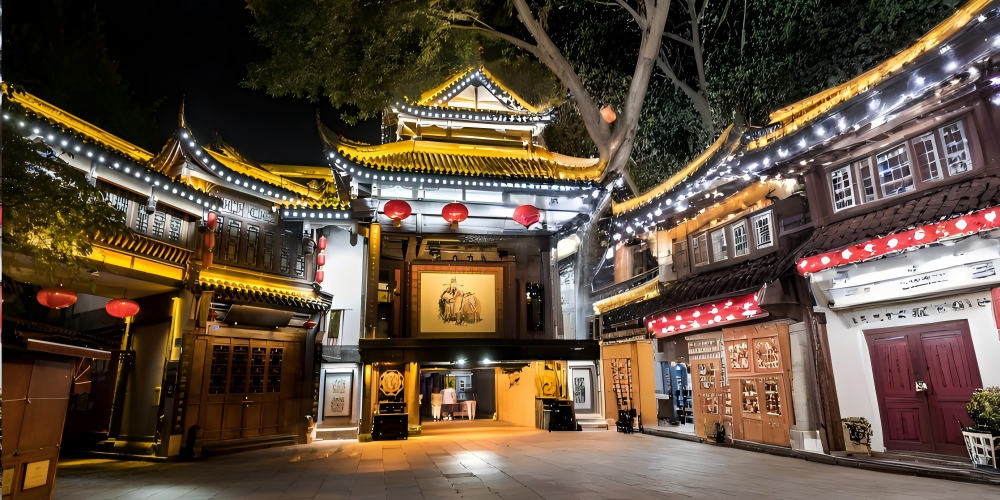
Jinli Ancient Street is a well-known pedestrian commercial street in Chengdu. It consists of large antique buildings with architectural styles of the late Qing Dynasty and numerous bars and restaurants. The famous Wuhou Temple is another well-known attraction nearby. People generally visit Wuhou Temple before coming over to Jinli Ancient Street. Both sides of the street sell small ornaments with local characteristics and many old Chengdu craftsmen can be seen busy blowing sugar paintings and dough figurines. The huge variety of food available on site can make you drool too - Zhang Fei beef, beancurd pudding, beef pancake, bobo chicken, etc. Each of them has its unique flavor so please go there with an empty stomach! The street also comes alive at night as red lanterns light up and visitors fill the bars and teahouses. You can fill your tummies with street food and head to the bars or teahouses after that for some alcohol or tea depending on your preferences.
The scenery of the Xiling Snow Mountain has its own unique characteristics throughout the year. The main peak Miaojiling is one of the highest peaks around Chengdu at a height of more than 5,000 meters above sea level. The top of the mountain is covered in snow all year round and is magnificently beautiful. In spring, the azaleas in the mountains and fields are in full bloom forming a sea of flowers. Due to the lush forests, this attraction is ideal for avoiding the heat during summer. The winter season runs from end November till end March. During this period, the mountain attracts many visitors to its snow-filled attractions. There are ski resorts in the mountains as well as snowmobiles and dog sleds available for rent.
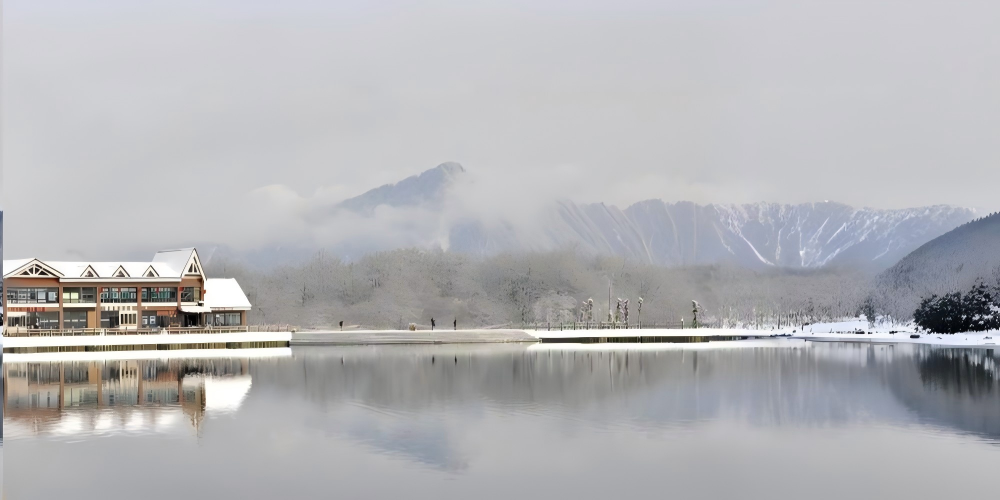
Mugecuo(Full name:Mugecuo, located in the middle section of the Gongga Mountains, is about 17 km from Kangding city center. It is a national AAAA-level tourist attraction, a World Natural Heritage nominee, and a key scenic area. The attraction serves as a core component of the "Two-Hour Economic Circle Around Gongga Tourism." With an elevation of 2,800–3,780 m, it lies at the northern foot of the Hengduan Mountains, part of the Daxue Mountain Range, and marks the western edge of the Sichuan Basin.Qinghai-Tibet PlateauThis transitional zone features a water area of nearly 4 km² with depths exceeding 70 meters. Most of the water comes from melted snow off the Nuwa Snow Mountain behind it, resulting in exceptional visibility of approximately 6–10 meters. The attraction showcases a stunning landscape with alpine lakes, primeval forests, hot springs, snow-capped peaks, peculiar rock formations, and the 8 km-long Thousand Waterfalls Gorge. The ingeniously designed scenic spots make it an ideal destination for sightseeing, recreation, relaxation, recuperation, fitness, summer retreats, and scientific research.The attraction is located in the sub-humid climate zone of the Qinghai-Tibet Plateau, featuring cool summers and autumns but severe cold in winter and spring. The specific climate conditions are as follows: From late December to February, the lake surface freezes, thawing in March. Temperatures remain low before April. During summer, the average monthly temperature ranges from 10–14°C. Due to the high-altitude terrain, the attraction experiences significant daily temperature variations, with warm afternoons—visitors should prepare for cold weather. Snowfall occurs after late October, offering scenic snow views, though snow accumulation is short-lived. Visitors should pack appropriate clothing according to the season and climate characteristics and be mindful of altitude sickness, carrying necessary medication if needed.The scenic area covers approximately 350 km², consisting ofRhododendron Gorge,Fangcaoping,Kangding Love Song (Mugecuo) Scenic Area - Seven-Color LakeYaochi Hot Springs, Mugecuo (Wild Man Lake), andRed Sea GrasslandSix attractions combinationNearby, there are several other alpine lakes and hot springs, where pristine forests, grasslands, and snow-capped mountain views blend seamlessly. The attraction boasts unique local customs, serving as the birthplace of love songs and the cradle of Khampa culture. It is also the starting point for Sichuan-Tibet travel.The Fangcaoping grassland spans over 60,000 square meters, divided into inner and outer sections by the central white pagoda. Every June, this lush green meadow covered with Gesang flowers served as one of the primary filming locations for both the movie "The New Love Song of Kangding" starring Alec Su and the TV series "The Warriors" produced by August First Film Studio to commemorate the 80th anniversary of the Red Army's Long March victory.The Mugecuo Scenic Area (Kangding Love Song) - Seven Color Lake is located at an altitude of 3,200 meters, forming a plateau lake where lake water blends with hot springs. The crescent-shaped lake covers approx. 20 hectares with a depth of over 20 meters, surrounded by forests and meadows in serene tranquility. Its crystal-clear waters shift through seven hues under sunlight and weather changes, hence the poetic name.Azalea Valley connects to the east and joins Wild Man Lake to the west, stretching 8 km in length. Within the valley, streams alternate between rushing rapids and gentle flows, creating a sparkling spectacle. Both banks are lush with vegetation, particularly the pristine azalea forests that stand out. The azaleas here display a stunning variety of forms and vibrant colors. The valley weaves together hot springs, lakes, meadows, peculiar peaks, and cascading waterfalls, presenting an unspoiled natural landscape. Walking through it brings a sense of tranquility and delight.Mugecuo, also known as Wild Man Lake, is one of the high-altitude lakes in northern Sichuan. With a water area of nearly 4 sq km, it reaches depths of over 70m and sits at an elevation of 3,700m. Surrounded by mountains, forests, and grasslands, it's encircled by dozens of smaller lakes like Red Sea, Black Sea, and White Sea, creating a star-like constellation. The golden beach on its left side, renowned as Lovers' Beach, is a major highlight. Its fine, soft sand naturally appears golden—a rare phenomenon for lakeside formations in the western Sichuan plateau region.The Red Sea Grassland derives its name from the alpine lake—Red Sea. Local Tibetans refer to it as "Little Haizi" to distinguish it from the sacred lake "Mugecuo," known as "Big Haizi." With lush green grass and wildflowers everywhere, travelers can personally experience the breathtaking beauty of Gesang flowers beneath the snow-capped mountains, their delicate fragrance permeating the air.
Jiuzhaigou National Park is located in Jiuzhaigou County of Ngawa Prefecture. With its towering snow-capped peaks, dense forests, and vibrantly colored pools and shoals, crystal-clear streams meander through the forests and shallows. Combined with Tibetan wooden houses, prayer flags, and the unique traditional customs of the Tibetan and Qiang ethnic groups, Jiuzhaigou National Park is often referred to as a "beautiful fairyland". Jiuzhaigou National Park features a Y-shaped layout, consisting of three main valleys: Shuzheng Valley, Rize Valley, and Jiuzhaigou-Zechawa Valley, with a total length of over 50 km.The attraction is equipped with eco-friendly sightseeing vehicles that stop at designated stations. Visitors can wait at each station and conveniently tour various attractions within the site by taking the sightseeing vehicles.
1–2 days
From USD 41.33
주요 포인트
Natural scenery2026 Global 100 - Best Things to Do
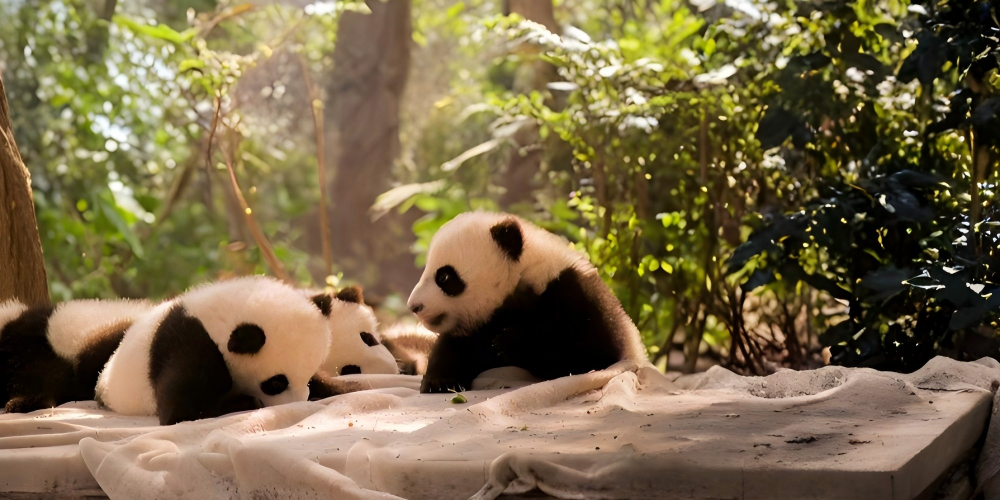
Chengdu Research Base of Giant Panda Breeding is located in the northern suburbs of Chengdu, about 10 kilometers away from downtown Chengdu. The facility is famous for the protection and breeding of endangered wild animals that are unique to China. It simulates the natural habitat of the giant pandas, where there are lakes, lakes, streams, bamboo forests and lawns. The chance to come into close contact with the giant pandas is a highlight here. Visitors can have a close-up observation of the pandas' living conditions. There is also a "Panda Villa", which is a preserved area for the pandas to rest.
3–5 hours
From USD 8.12
주요 포인트
Zoos & aquariums2026 Global 100 - Best Things to Do
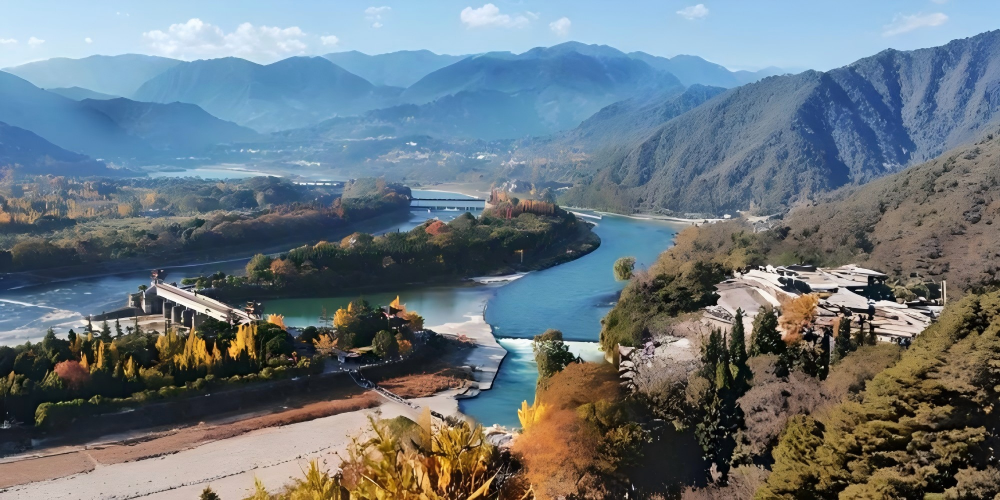
The Dujiangyan Irrigation System is located along the main branch of the Lancang River, west of Dujiangyan City. It was constructed in the Qin dynasty around 256 BC by Li Bing, Prefecture Chief of Shu County, and his son. It is one of the few ancient Chinese water conservancy projects that has remained preserved and intact. The project consists of three primary works—Yuzui Diverting Embankment, the Feishayan Spillway, and the Baopingkou Water Inlet, and two secondary works which include the Baizhangdi (the thousand-feet dam) and Renzidi (the y-shaped dam). They divide the Yongjiang River into an outer and an inner branch, the former of which is used to divert floods and the latter for irrigation. This has allowed the Western Sichuan plateau to become "the land of abundance" as we now know it.
3–5 hours
From USD 11.81
주요 포인트
Historic landmarkBoat tour2026 Asia 100 - Best Things to Do
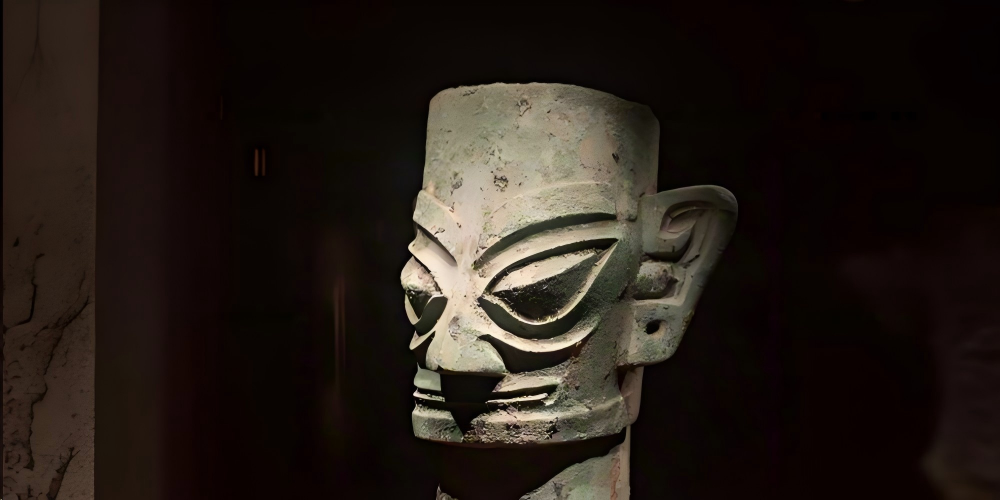
The Sanxingdui Museum holds and displays over a thousand precious cultural relics in bronze, jade, gold, and ceramic, unearthed at the nearby Sanxingdui (“Three Stars Mound”) archaeological site. The Sanxingdui Archaeological Museum is quite large and comprises two independent exhibition areas. The first area is a general exhibition where you can see gold, copper, jade, stone, and ceramic cultural relics. The second area is the bronze exhibition, which houses all sorts of bronzeware that has been unearthed at the site.
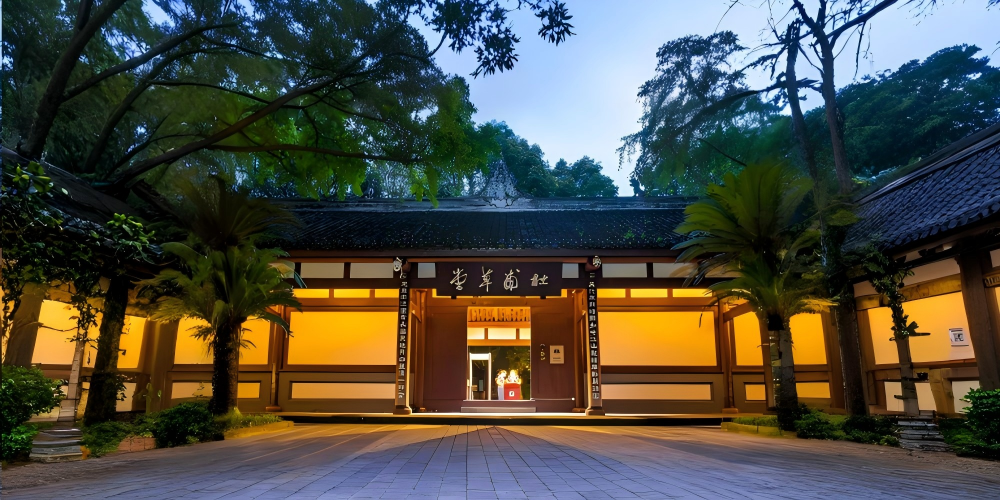
Du Fu Thatched Cottage is the former Chengdu residence of the famous Tang Dynasty poet Du Fu. Du Fu lived here for nearly four years. During his stay, he created hundreds of poems. This place is thus regarded as the “holy land” of Chinese literature. Today's Du Fu Thatched Cottage has survived multiple dynasties and been restored many times. The most important architecture of the place is his former residence, the thatched house. This former residence was built with the architectural characteristics of the western Sichuan civilian residences.
1.5–3 hours
From USD 7.38
주요 포인트
Historic landmark2026 Asia 100 - Best Things to Do
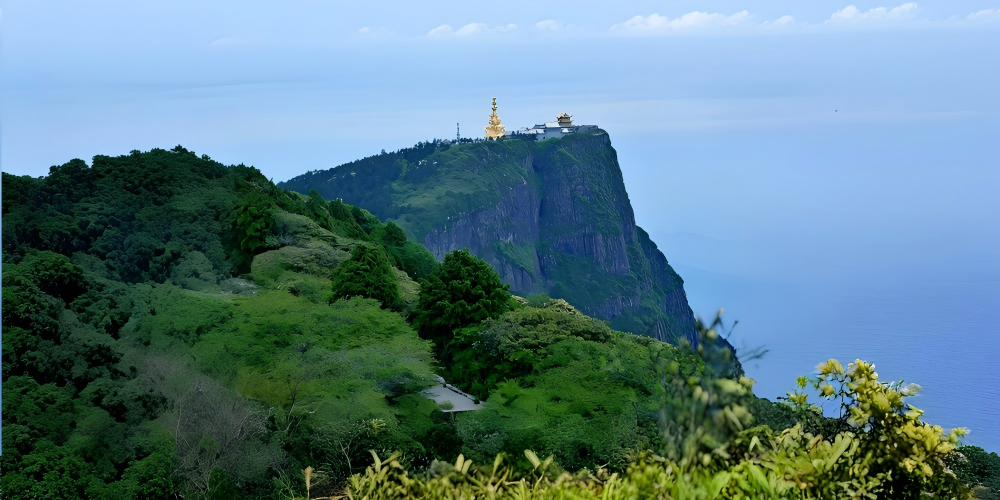
Mount Emei is one of the four famous mountains of Chinese Buddhism, and it is also the temple of Samantabhadra Bodhisattva. There are numerous Buddhist monasteries in the mountains that combine to give this place a holy and serene atmosphere. The scenery in the mountains are beautiful. The four seasons each have their own characteristics. If you are lucky, you can see the sunrise and sea of clouds. Do note that the monkeys in Mount Emei are notoriously naughty. They are not afraid of people, and even take the initiative to ask tourists for food.
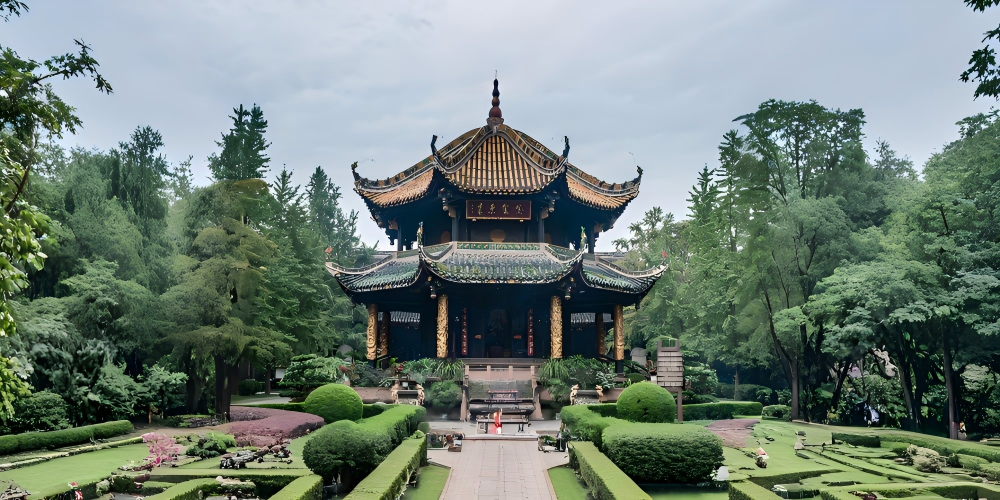
The Chengdu Wuhou Shrine Museum is a temple dedicated to honoring Shu Han heroes such as Liu Bei and Zhuge Liang. Its origins date back to 221 AD during the first year of the Zhangwu era under Emperor Zhaolie of Shu Han, when Liu Bei's Hui Ling Mausoleum was constructed. The Han Zhaolie Temple was also built during the same period.Approx. around 500 AD during the Northern and Southern Dynasties period, the Wuhou Shrine was relocated from Chengdu's "Shaocheng" to the vicinity of Hui Ling Mausoleum and Han Zhaolie Temple, maintaining this layout until the Ming Dynasty. In 1390 during the 23rd year of the Hongwu era, Zhu Chun, the Ming Prince of Shu, visited the Chengdu Wuhou Shrine Museum for worship. Citing that "monarch and subject should be united as one," he merged Hui Ling Mausoleum, Han Zhaolie Temple, and Wuhou Shrine into a single complex. As Zhuge Liang's influence among the common people surpassed that of Liu Bei, the site became colloquially known as "Wuhou Shrine."The cultural relics area of the Chengdu Wuhou Shrine Museum mainly consists of the Hui Ling Mausoleum, Han Zhaolie Temple, Wuhou Shrine, and the Chengdu Wuhou Shrine Museum - Sanyi Temple, with the main structure being the Wuhou Shrine. The shrine is divided into the main gate, second gate, Liu Bei Hall, passage hall, Chengdu Wuhou Shrine Museum - Zhuge Liang Hall, and Chengdu Wuhou Shrine Museum - Sanyi Temple, all aligned along a central axis from south to north. The shrine houses 50 statues of Shu Han heroes including Liu Bei and Zhuge Liang, along with numerous stone inscriptions and plaques related to Zhuge Liang and Three Kingdoms culture.The famous "red wall and bamboo shadows" of Chengdu are located within the attraction. Don't forget to take photos.The garden area of Chengdu Wuhou Shrine Museum, located on the west side of the shrine, features architectural structures such as the stone archway gate, three-arched gate, square pavilion, Jiexin Hall, and burial chamber. It is the only northern-style mausoleum complex in southwest China. The shrine is adjacent to Jinli Ancient Street (Jinli Folk Custom Area), making it convenient to visit both sites together.
1.5–3 hours
From USD 7.38
주요 포인트
Historic landmark2026 Asia 100 - Best Things to Do
Qingcheng Mountain is dubbed as the "most quiet and secluded place in the world". It is the birthplace of Taoism and there are many Taoist temples to explore there. Qingcheng Mountain is divided into two mountain areas: Qingcheng Front Mountain and Qingcheng Back Mountain. They require separate tickets. The Front Mountain is where Taoist culture and cultural relics are concentrated. When visitors talk about “Qingcheng Mountain”, they often refer to the front mountain; Qingcheng Back Mountain is known for its natural scenery making it a good place for vacation and leisure.
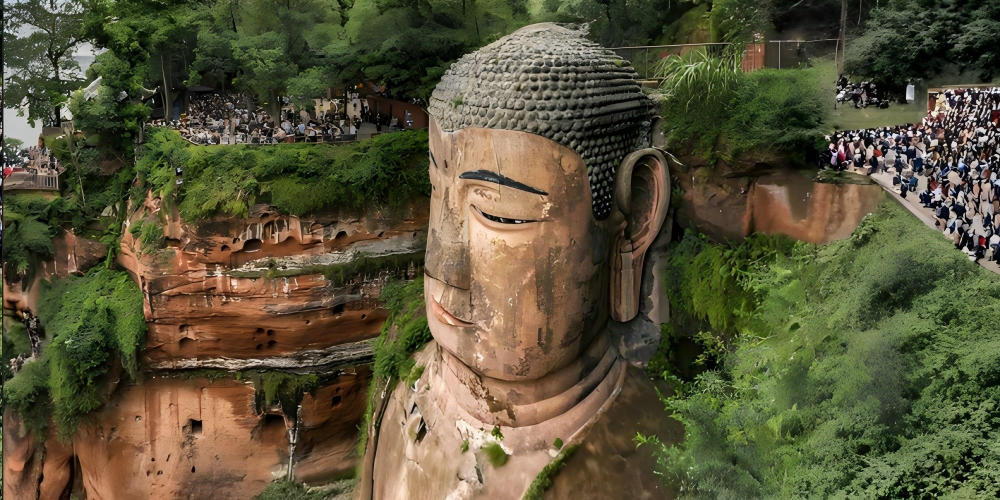
The Leshan Giant Buddha is located in Leshan, carved into the cliff of Lingyun Mountain's Qixia Peak at the confluence of the Min River, Qingyi River, and Dadu River. Also known as the Lingyun Giant Buddha, it has been designated as a "World Cultural and Natural Heritage" site by UNESCO. The statue depicts a seated Maitreya Buddha and is considered a masterpiece of cliffside carving art from the Tang Dynasty.Admire the giant stone-carved seated Maitreya Buddha statueThe Leshan Giant Buddha was carved during the Tang Dynasty and took three generations of craftsmen 90 years to complete. This seated statue of Maitreya Buddha stands approximately 70 meters tall, making it a colossal stone-carved masterpiece. Marvel at the towering grandeur of the Leshan Giant Buddha and be amazed by how ancient artisans could create such an exquisite statue without modern large-scale tools.Pray for peace and good health.The Leshan Giant Buddha has always been a sacred Buddhist site. Standing before this colossal statue with hands pressed together in prayer, one can calmly offer blessings—for personal peace, family well-being, and friends' health.Lingyun TempleLingyun Temple is a triple quadrangle architectural complex consisting of the Mahavira Hall and the Scripture Depository. The temple enjoys thriving incense offerings, with a continuous stream of visitors coming to pray for blessings. The temple's landscaping is also well-maintained, featuring not only surrounding trees but also numerous potted plants. It's an excellent place to experience Buddhist culture.Leshan Sleeping Buddha: Discovering the Reclining Buddha on the RiverOn the surface of the Qingyi River, several mountain peaks connect to form a striking resemblance to a reclining Buddha, complete with the head, body, and feet. The Sleeping Buddha lies on its back, creating a fascinating sight. The best spot to view the "Sleeping Buddha" is near the Yingchunmen Dock in the eastern part of Leshan's ancient city.Tour Route:The popular tourist route involves taking the stairs to Lingyun Temple, then reaching the head of the Giant Buddha. Descend via the Nine-Bend Stack Path from the Buddha's head to its feet, where you can take photos as souvenirs before climbing back up. Another way to experience the Buddha is by taking a boat tour, which allows you to admire the full panoramic view of the Giant Buddha from a distance.Walking tour: Experience the majestic grandeur of the giant Buddha up closeMost visitors have heard of the Leshan Giant Buddha and seen pictures of it. But when you actually approach and visit the Buddha in person, you can truly feel its towering grandeur and your own insignificance - just the Buddha's foot alone can accommodate over a hundred people sitting around it. At the base of the Buddha, you can look up at its entire majestic form. Don't forget to take photos to commemorate your visit.Boat tour: View the full panorama of the Leshan Giant Buddha from a distanceVisitors who want a closer view of the giant Buddha or have limited physical stamina can choose to admire it from a boat on the river. Gliding along the water, you'll get a panoramic view of the Buddha, capture precious photos, and enjoy the scenic riverside landscape.1. Reasons for the construction of the Leshan Giant BuddhaLegend has it that in ancient times at the confluence of the Minjiang, Qingyi, and Dadu Rivers in Leshan, the water currents were extremely fierce, causing frequent shipwrecks. To tame the turbulent waters, Master Haitong gathered resources and manpower to carve the Leshan Giant Buddha. After its completion, the water flow miraculously calmed significantly, allowing ships to pass through safely.2. Leshan Giant Buddha closes eyes and sheds tearsIn 1962, after three years of natural disasters, corpses floated on the Min Mountains. At the time, people believed the Great Buddha couldn't bear to witness this human tragedy and thus painfully closed its eyes while silently weeping. The scientific explanation is that the statue's closed eyes were caused by acid rain, or more precisely, acid deposition. Acid rain can dissolve the hardened cement surface of non-metallic building materials, creating holes and cracks that damage structures.3. The official name of the Leshan Giant Buddha"The Leshan Giant Buddha" is actually a common name given by later generations to this giant Buddha located in Leshan, Sichuan Province. The true official name of this Tang Dynasty Buddha has remained a mystery. In fact, according to investigations by numerous experts, the true official name of this stone-carved statue known as the "Leshan Giant Buddha" should be: The Great Maitreya Stone Statue of Jiazhou Lingyun Temple.
3–5 hours
From USD 11.81
주요 포인트
Historic landmarkBoat tourNo. 9 of Best Things to Do in Sichuan
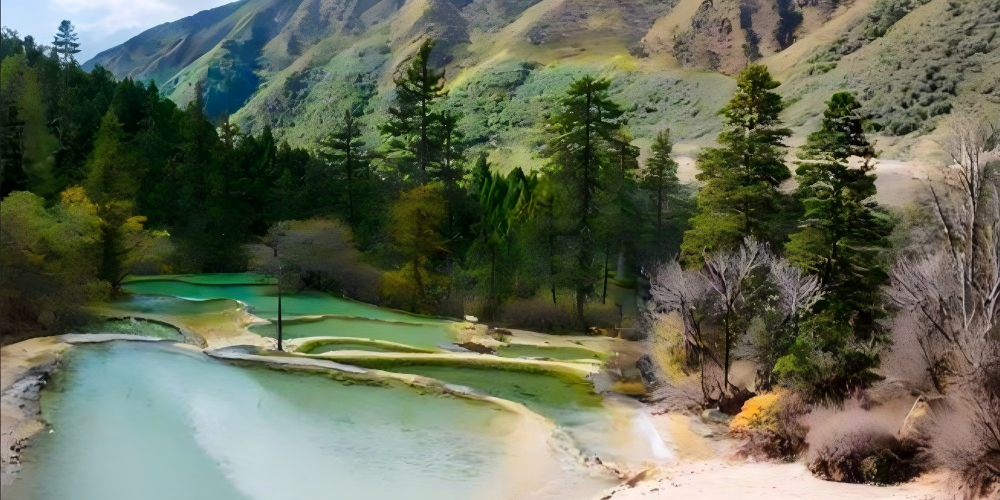
Huanglong National Scenic Area is a Attraction famous for its fantastic and beautiful calcified pools. The water in the numerous calcified pools in the Attraction is crystal clear and colorful and very beautiful. There are also many natural landscapes such as forests, canyons, snow-capped mountains and waterfalls in the Attraction. It is known as the "Fairyland on Earth".Huanglong National Scenic Area is mainly divided into two parts, Huanglong Headquarters and Munigou. Huanglong Main Gou in Huanglong Headquarters is the main Attraction of Huanglong National Scenic Area, and is also the place generally referred to when talking about Attraction.The Attraction is located in Songpan County. The best time to visit here is in summer and autumn, when the lake is in its flood season, with a large pool area and beautiful scenery. In winter and early spring, the water volume is smaller, but the scenery is still good.
0.5–1 day
From USD 25.1
주요 포인트
HikingNatural sceneryNo. 10 of Best Things to Do in Sichuan
Mount Siguniang, also known as “Skubla” in Tibetan, is a large mountain with four sharp peaks, and is the highest of the Qionglai Mountains. It is located in Aba Prefecture’s Xiaojin County near Rilong Town. The peaks of Mount Siguniang are covered with snow the whole year round. The mountain’s name means “the Four Sisters”, because the four peaks are reminiscent of four beautiful maidens shrouded in white veils. The scenic area consists of the four snow covered peaks and the three valleys: Shuangqiao Valley, Changping Valley and Haizi Valley. Tickets for Haizi Valley are sold separately. An excursion to Mount Siguniang for holiday is recommended to plan at least three days for your trip. (For a proper visit, each of the valleys needs at least one full day.) If your time is limited, we suggest you first go to Changping Valley and Haizi Valley, as you cannot see the four peaks from Shuangqiao Valley. Many outdoor lovers like to go hiking between the valleys and will camp out overnight.
1–2 days
From USD 8.86
주요 포인트
Mountain climbingNo. 2 of Cool Water Escapes in Sichuan
Daocheng Yading, also known as Yading Nature Reserve, is known by locals as Aden Scenic Area. Located in the southern part of Daocheng County in Ganzi Prefecture, it is mainly composed of three mountains, Xiannairi, Yangmaiyong, and Xianuoduoji, as well as surrounding rivers, lakes, and alpine meadows. There are not only magnificent and sacred snow-capped mountains in the scenic area, but also vast meadows, colorful forests, and blue crystal clear lakes. Hiking on foot like the local Tibetans is a better way to experience the scenery in Yading. However, due to the high altitude of the Aden Protected Area, the entire walk still requires considerable physical fitness.