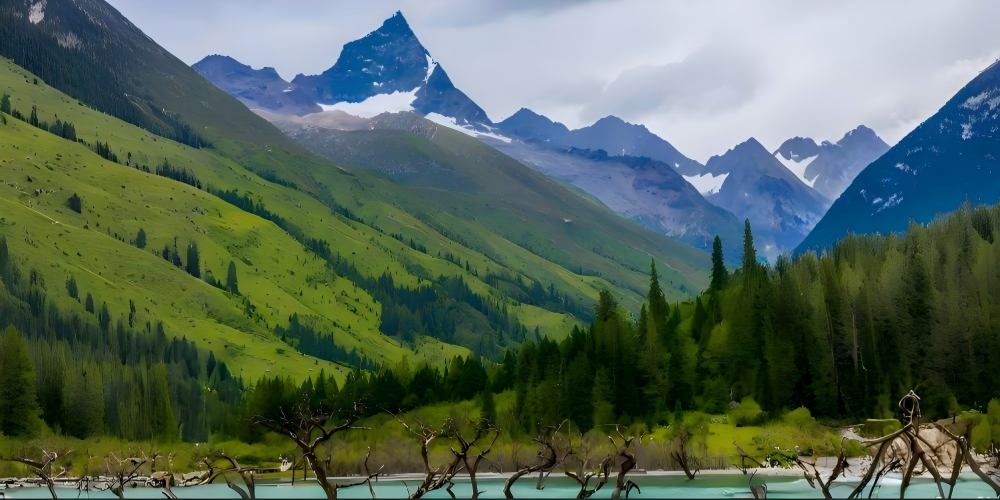
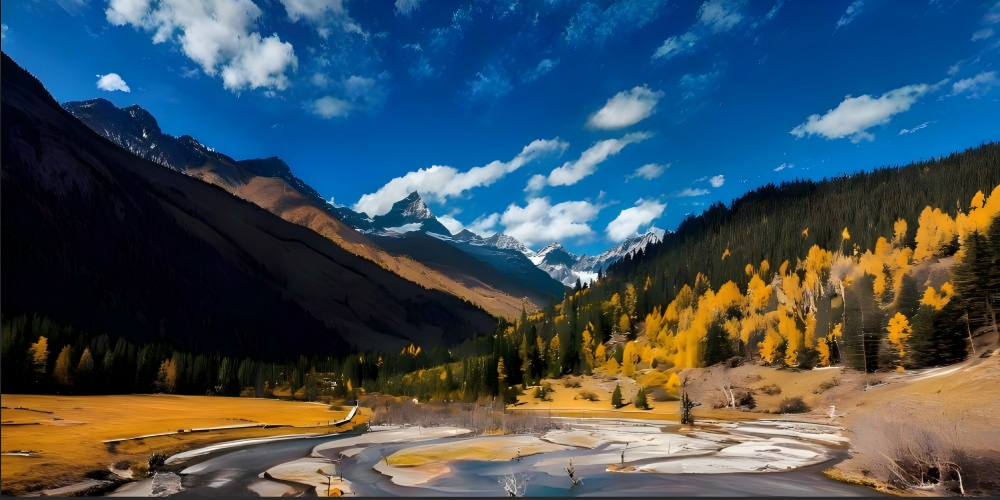
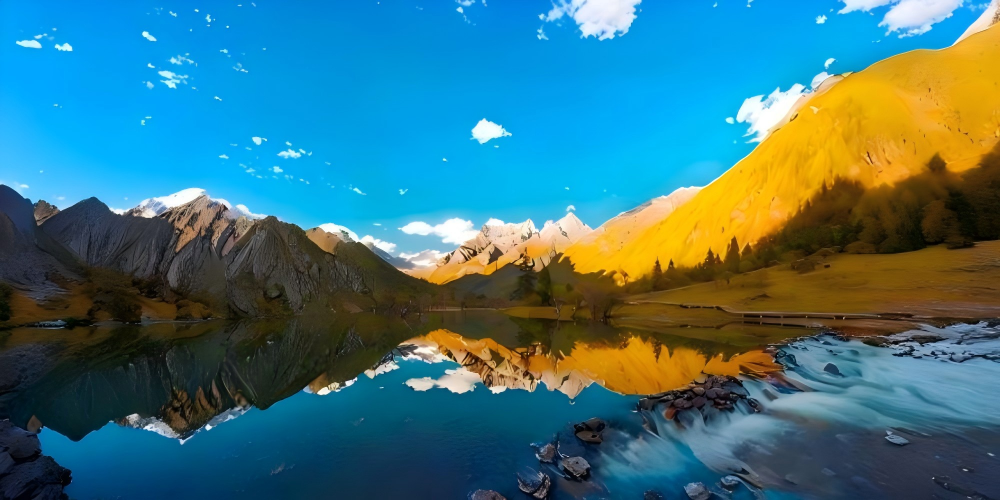
Located in the southwestern part of China, Sichuan Province—often referred to as the “Land of Abundance” (Tianfu Zhi Guo)—is one of the country’s most vibrant, culturally rich, and economically dynamic regions. Bound by majestic mountains to the west and a fertile basin to the east, it spans over 485,000 square kilometers and is home to a population of over 83 million people.

Economic Dynamic & Innovation Hub

Sichuan serves as a strategic gateway to Western China and a vital node for international trade and digital infrastructure.

Global Connectivity: The province is a prominent center for technology development and cross-border e-commerce, attracting hundreds of Fortune 500 companies and boasting advanced manufacturing networks.

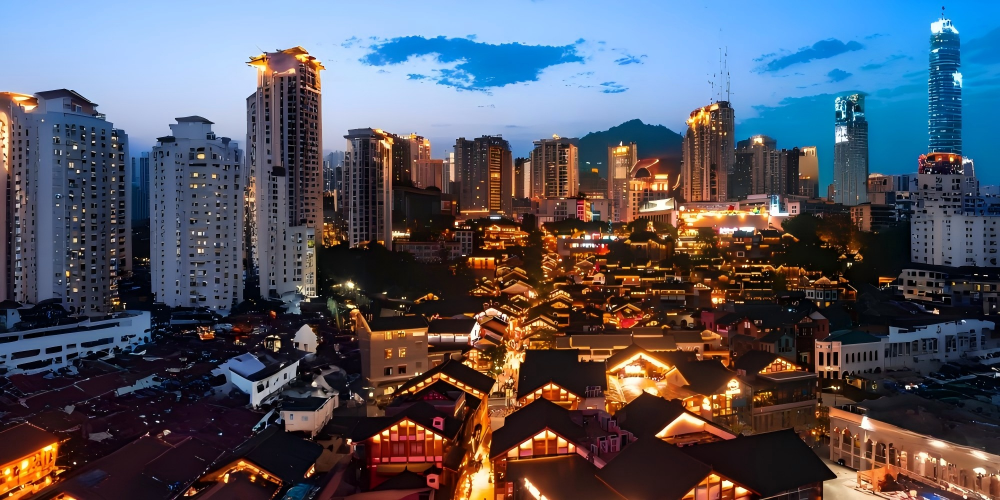
The Capital Engine: At the heart of this growth is Chengdu, a booming mega-city that seamlessly bridges high-tech industries, software development, and aerospace innovation with a deeply grounded, livable urban culture.

Attractions

Sichuan Attraction List

Filter by attraction type, then open the individual attraction detail page.

View All
Ancient City of Langzhong
4.6
Historical

Ancient City of Langzhong

Nanchong City/1–2 days

Langzhong Ancient Town is located along the bank of the Jialing River in Nanchong and is one of China’s four major ancient towns. Its more than 2000 years of history are well-preserved, and the town has an extremely unique layout. The famous general Zhang Fei of the Three Kingdoms Period once garrisoned at Langzhong for 7 years. In Langzhong, you can stroll the ancient lanes, visit the Zhang Fei Temple, look out across the whole town from Jinping Mountain, and enjoy the leisurely pace of local life. The folk customs here are rich and varied. The on-site performance of the show Langyuan Xianjing includes many folk performances and is worth watching. A lot of fun activities are available during the Spring Festival period.

Chengdu Du Fu Thatched Cottage Museum
4.7
Historical

Chengdu Du Fu Thatched Cottage Museum

Chengdu City/1.5–3 hours

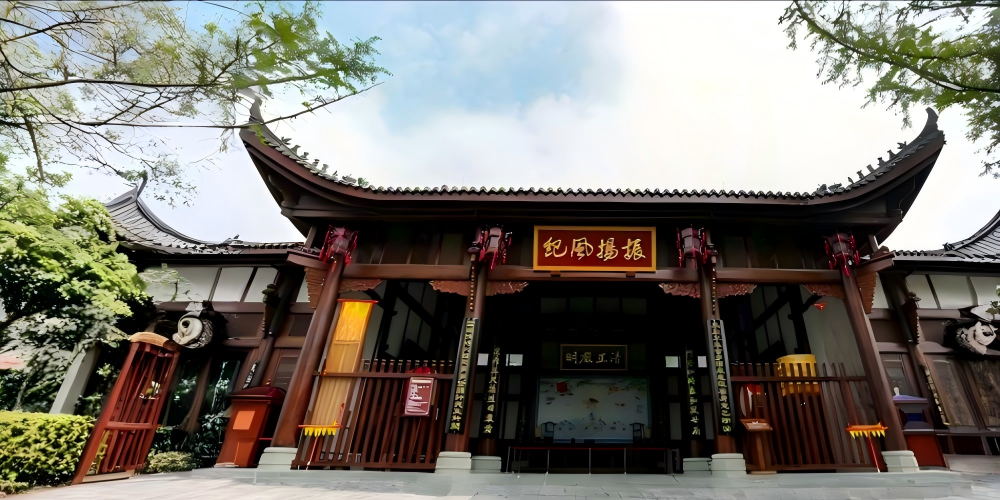
Du Fu Thatched Cottage is the former Chengdu residence of the famous Tang Dynasty poet Du Fu. Du Fu lived here for nearly four years. During his stay, he created hundreds of poems. This place is thus regarded as the “holy land” of Chinese literature. Today's Du Fu Thatched Cottage has survived multiple dynasties and been restored many times. The most important architecture of the place is his former residence, the thatched house. This former residence was built with the architectural characteristics of the western Sichuan civilian residences.

Chengdu Research Base of Giant Panda Breeding
4.6
Nature

Chengdu Research Base of Giant Panda Breeding

Chengdu City/3–5 hours

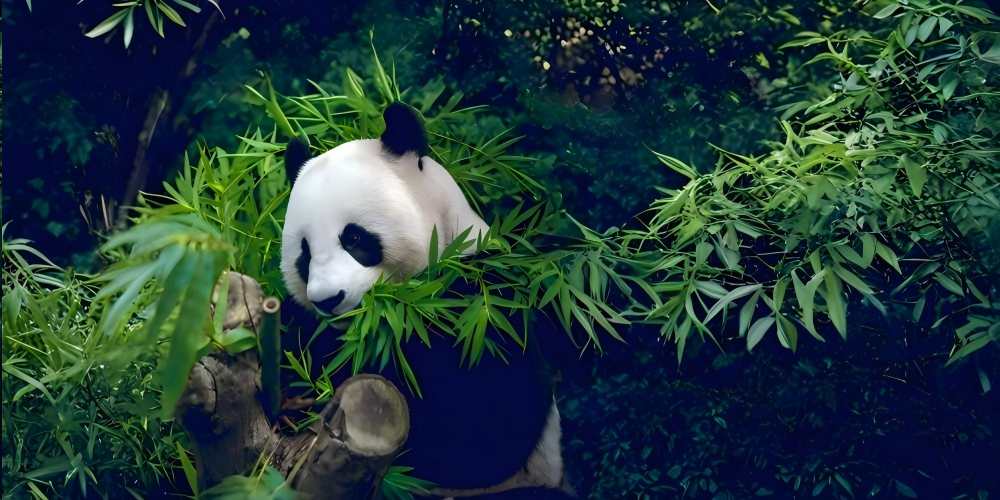
Chengdu Research Base of Giant Panda Breeding is located in the northern suburbs of Chengdu, about 10 kilometers away from downtown Chengdu. The facility is famous for the protection and breeding of endangered wild animals that are unique to China. It simulates the natural habitat of the giant pandas, where there are lakes, lakes, streams, bamboo forests and lawns. The chance to come into close contact with the giant pandas is a highlight here. Visitors can have a close-up observation of the pandas' living conditions. There is also a "Panda Villa", which is a preserved area for the pandas to rest.

Chengdu Wuhou Shrine Museum
4.6
Historical

Chengdu Wuhou Shrine Museum

Chengdu City/1.5–3 hours

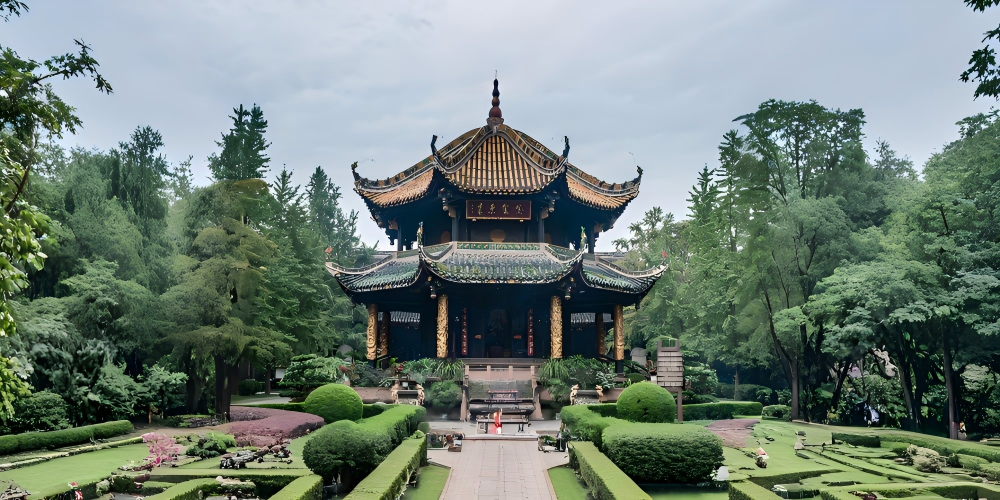
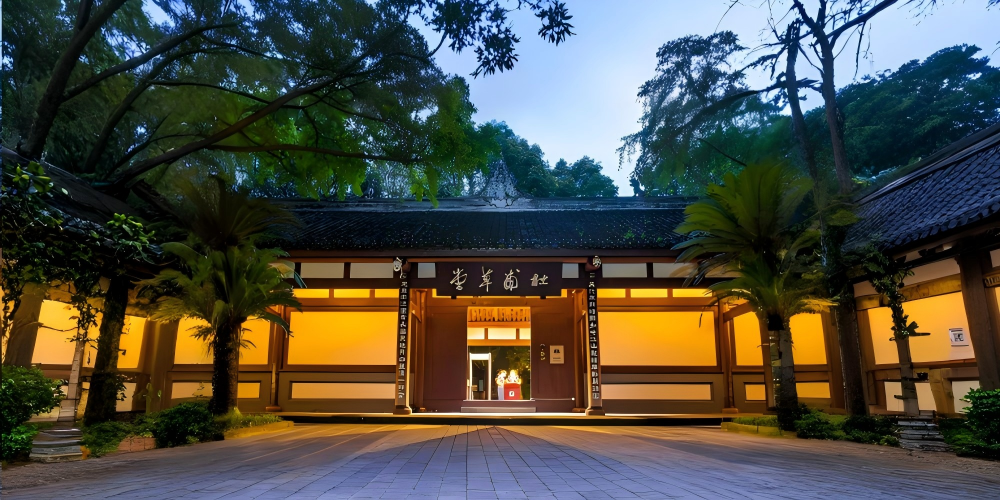
The Chengdu Wuhou Shrine Museum is a temple dedicated to honoring Shu Han heroes such as Liu Bei and Zhuge Liang. Its origins date back to 221 AD during the first year of the Zhangwu era under Emperor Zhaolie of Shu Han, when Liu Bei's Hui Ling Mausoleum was constructed. The Han Zhaolie Temple was also built during the same period.Approx. around 500 AD during the Northern and Southern Dynasties period, the Wuhou Shrine was relocated from Chengdu's "Shaocheng" to the vicinity of Hui Ling Mausoleum and Han Zhaolie Temple, maintaining this layout until the Ming Dynasty. In 1390 during the 23rd year of the Hongwu era, Zhu Chun, the Ming Prince of Shu, visited the Chengdu Wuhou Shrine Museum for worship. Citing that "monarch and subject should be united as one," he merged Hui Ling Mausoleum, Han Zhaolie Temple, and Wuhou Shrine into a single complex. As Zhuge Liang's influence among the common people surpassed that of Liu Bei, the site became colloquially known as "Wuhou Shrine."The cultural relics area of the Chengdu Wuhou Shrine Museum mainly consists of the Hui Ling Mausoleum, Han Zhaolie Temple, Wuhou Shrine, and the Chengdu Wuhou Shrine Museum - Sanyi Temple, with the main structure being the Wuhou Shrine. The shrine is divided into the main gate, second gate, Liu Bei Hall, passage hall, Chengdu Wuhou Shrine Museum - Zhuge Liang Hall, and Chengdu Wuhou Shrine Museum - Sanyi Temple, all aligned along a central axis from south to north. The shrine houses 50 statues of Shu Han heroes including Liu Bei and Zhuge Liang, along with numerous stone inscriptions and plaques related to Zhuge Liang and Three Kingdoms culture.The famous "red wall and bamboo shadows" of Chengdu are located within the attraction. Don't forget to take photos.The garden area of Chengdu Wuhou Shrine Museum, located on the west side of the shrine, features architectural structures such as the stone archway gate, three-arched gate, square pavilion, Jiexin Hall, and burial chamber. It is the only northern-style mausoleum complex in southwest China. The shrine is adjacent to Jinli Ancient Street (Jinli Folk Custom Area), making it convenient to visit both sites together.
Chunxi Road
4.7
Religious

Chunxi Road

Chengdu City/1–3 hours

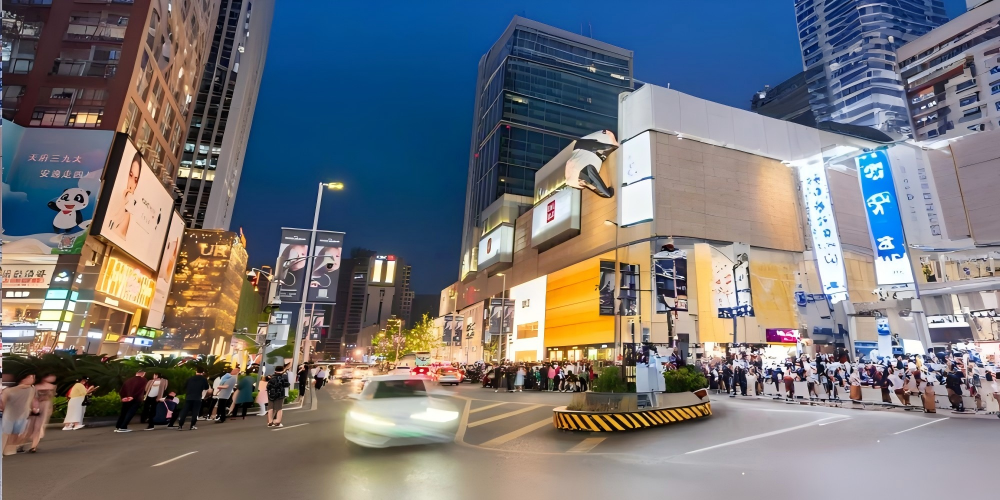
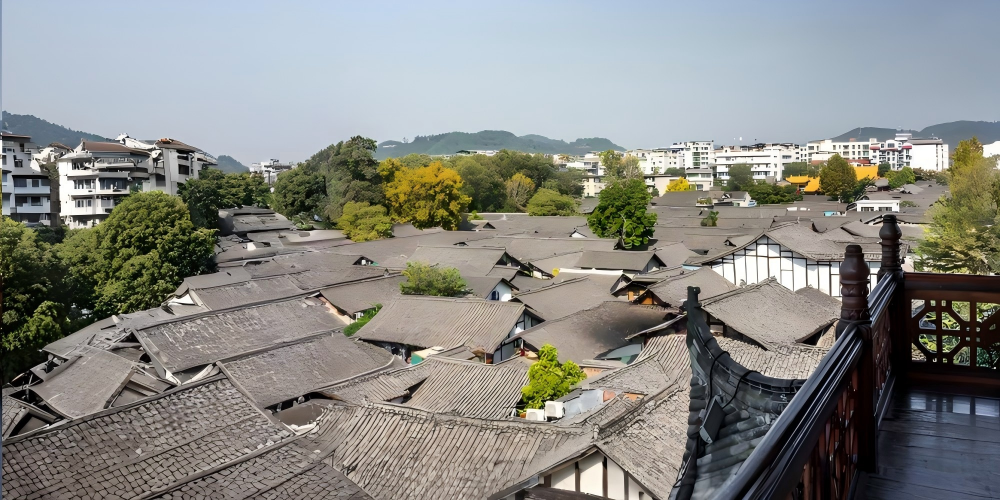
Chunxi Road is the fashion hub of Chengdu and a culinary hotspot. Exploring this iconic commercial pedestrian street and indulging in local delicacies is a must-do when visiting Chengdu.Chunxi Road is not just a single street, but refers to the area east of Beixin Street, south of Zongfu Road, west of Hongxing Road, north of Dongda Street, as well as Nanxin Street, Zhongxin Street and their surrounding areas. For visitors to Chengdu, missing out on Chunxi Road would be as regrettable as skipping Wangfujing in Beijing or Nanjing Road in Shanghai.On both sides of Chunxi Road, you'll find a vibrant mix of century-old shops, trendy malls, brand boutiques, and delicious snack stalls. Famous local eateries like Zhong's Dumplings, Lai's Tangyuan, Han's Steamed Buns, and Long's Wonton all have branches here. On weekends, this area also serves as a popular leisure spot for Chengdu residents.The intersection of Chunxi Road's main street is the famous Zhongshan Square, where the bronze statue of Sun Yat-sen stands. At the northern entrance, there's also a Chengdu folk-custom relief art wall carved from granite, depicting various scenes of Tang Dynasty Chengdu, including temple fairs, flower festivals, lantern festivals, and mulberry picking.

Daocheng Yading
4.6
Nature

Daocheng Yading

Ganzi Tibetan Autonomous Prefecture/1–2 days

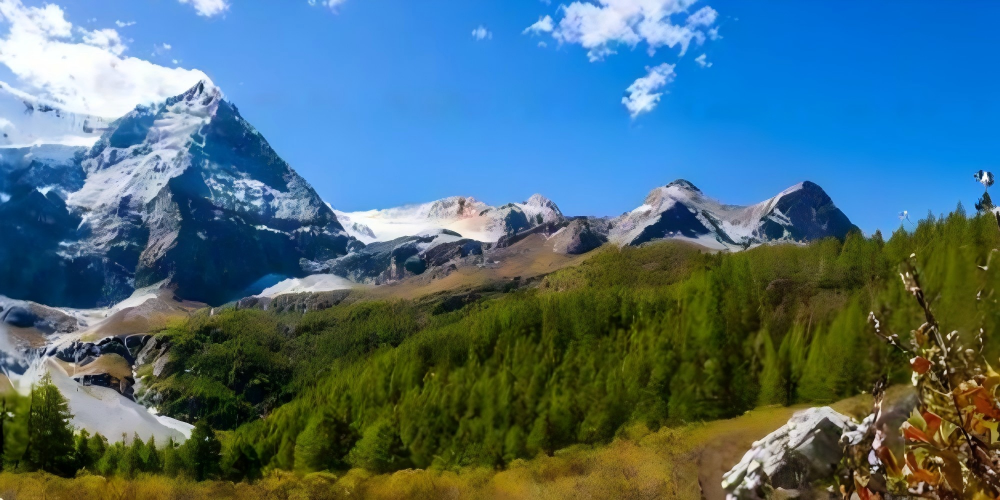
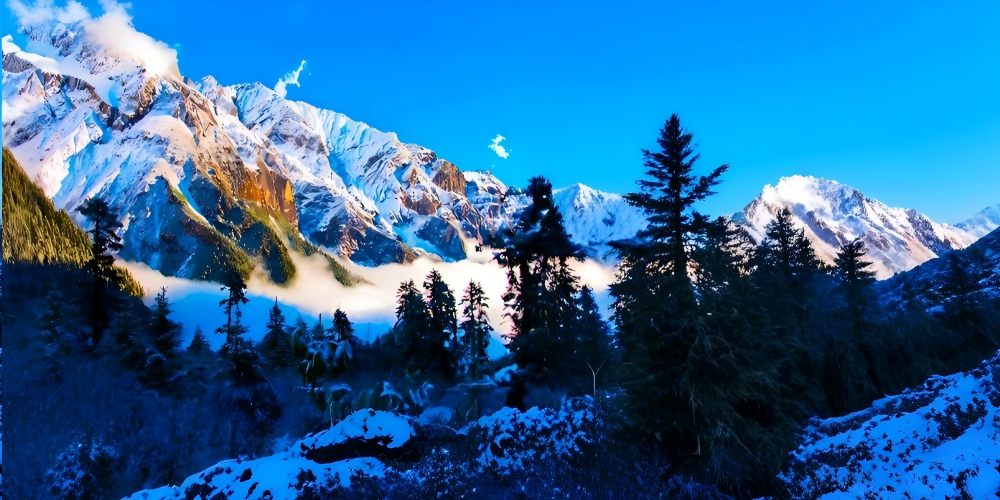
Daocheng Yading, also known as Yading Nature Reserve, is known by locals as Aden Scenic Area. Located in the southern part of Daocheng County in Ganzi Prefecture, it is mainly composed of three mountains, Xiannairi, Yangmaiyong, and Xianuoduoji, as well as surrounding rivers, lakes, and alpine meadows. There are not only magnificent and sacred snow-capped mountains in the scenic area, but also vast meadows, colorful forests, and blue crystal clear lakes. Hiking on foot like the local Tibetans is a better way to experience the scenery in Yading. However, due to the high altitude of the Aden Protected Area, the entire walk still requires considerable physical fitness.

Dujiangyan Scenic Area
4.7
Historical

Dujiangyan Scenic Area

Chengdu City/3–5 hours

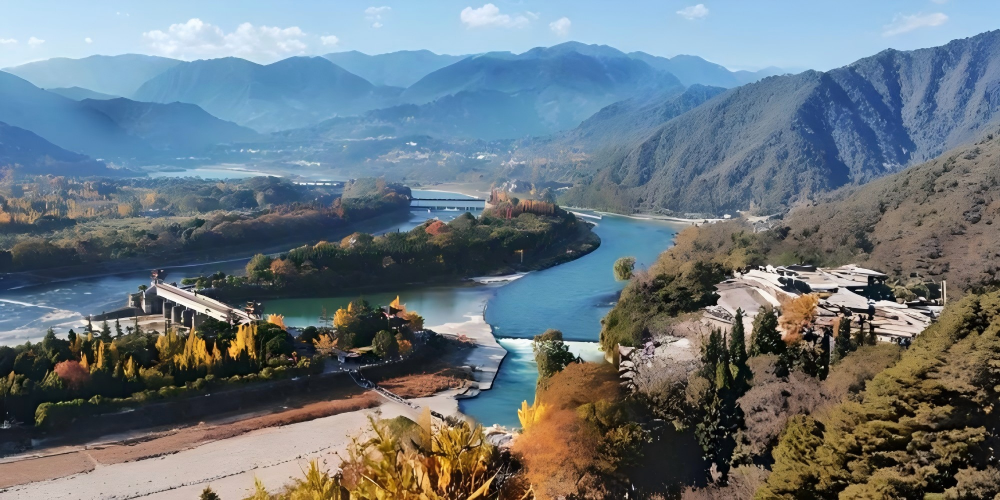
The Dujiangyan Irrigation System is located along the main branch of the Lancang River, west of Dujiangyan City. It was constructed in the Qin dynasty around 256 BC by Li Bing, Prefecture Chief of Shu County, and his son. It is one of the few ancient Chinese water conservancy projects that has remained preserved and intact. The project consists of three primary works—Yuzui Diverting Embankment, the Feishayan Spillway, and the Baopingkou Water Inlet, and two secondary works which include the Baizhangdi (the thousand-feet dam) and Renzidi (the y-shaped dam). They divide the Yongjiang River into an outer and an inner branch, the former of which is used to divert floods and the latter for irrigation. This has allowed the Western Sichuan plateau to become "the land of abundance" as we now know it.

Five Sciences Buddhist Academy
4.6
Historical

Five Sciences Buddhist Academy

Sichuan/3–5 hours

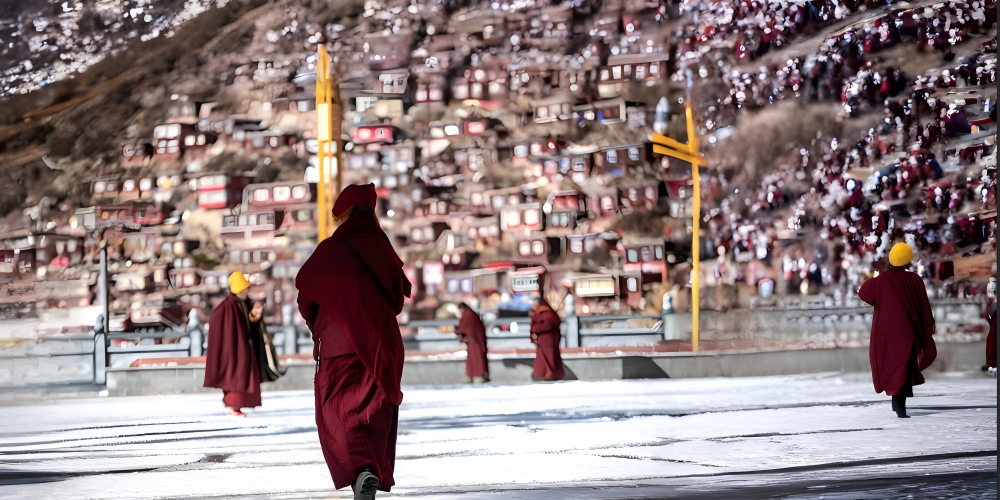
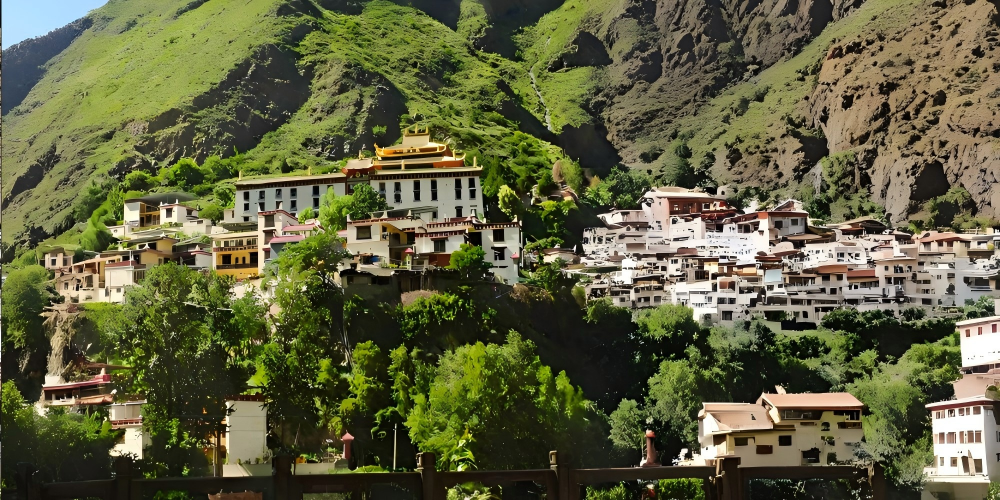
The temple complex is located about 20 kilometers southeast of Seda County, surrounded by mountains. With the Great Sutra Hall as the core, thousands of small wooden houses are densely packed on the hillside like an ant nest. The numerous crimson wooden houses are undulating and spectacular.From the hillside covered with prayer flags southwest of the pagoda, you can overlook the entire Buddhist college and take photos of the entire scene.

Hailuogou
4.8
Nature

Hailuogou

Ganzi Tibetan Autonomous Prefecture/2–3 days

Hailuogou Scenic Area blends natural beauty with rich historical, tea-horse trade, revolutionary, and folk cultures. This multifaceted destination offers sightseeing, leisure retreats, health recuperation, summer escapes, ecological exploration, scientific research, adventure activities, mountain climbing, and photography opportunities - forming a captivating stop along Sichuan's western tourism circuit.The attraction originates from the eastern slope of Mount Gongga, with its main valley stretching approx. 30.7 km and covering an area of 220 sq km. Formed 16 million years ago, it features modern maritime glaciers. The entire area showcases vertical bioclimate zones with "four seasons in one valley," including alpine snow peaks, glacial waterfalls, primeval forests, geothermal hot springs, red stone parks, and glacial forests. It is home to approx. 3,000 species of vascular plants and over 400 species of wildlife.

Huanglong National Scenic Area
4.6
Nature

Huanglong National Scenic Area

Aba Tibetan and Qiang Autonomous Prefecture/0.5–1 day

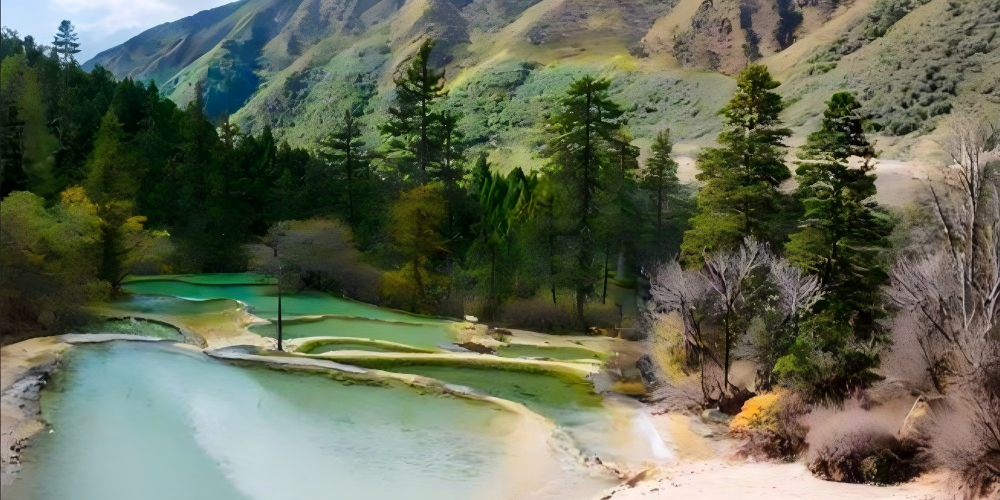
Huanglong National Scenic Area is a Attraction famous for its fantastic and beautiful calcified pools. The water in the numerous calcified pools in the Attraction is crystal clear and colorful and very beautiful. There are also many natural landscapes such as forests, canyons, snow-capped mountains and waterfalls in the Attraction. It is known as the "Fairyland on Earth".Huanglong National Scenic Area is mainly divided into two parts, Huanglong Headquarters and Munigou. Huanglong Main Gou in Huanglong Headquarters is the main Attraction of ​​Huanglong National Scenic Area, and is also the place generally referred to when talking about Attraction.The Attraction is located in Songpan County. The best time to visit here is in summer and autumn, when the lake is in its flood season, with a large pool area and beautiful scenery. In winter and early spring, the water volume is smaller, but the scenery is still good.

Huanglongxi Town
4.5
Historical

Huanglongxi Town

Chengdu City/3–5 hours

The ancient town of Huanglongxi is located roughly 40 kilometers from Chengdu and boasts a history of over 1700 years. There are cobbled streets from the Ming and Qing dynasties, along with ancient memorial archways, temples, buildings and houses. A traditional festival is called the Fire Dragon Festival. The event is so well known that Huanglongxi is nicknamed the "the village of the Chinese fire dragon". The village is used as a set for films today, including films like Hibiscus Town (Fu rong zhen). The local snacks of Huanglongxi are also well-known. One-strand noodle, crispy pork legs, pearl tofu pudding and braised yellow catfish are all worth a taste!

Jiaju Tibetan Village
4.1
Religious

Jiaju Tibetan Village

Sichuan/3–5 hours

Jiaju Zangzhai is located in Danba County, Ganzi Prefecture. It is a Tibetan dwelling village with Jiabao Tibetan characteristics. Playing in the Tibetan village, the panoramic view on the hillside opposite the stockade is quite spectacular. After entering the Tibetan village, only a scattered Tibetan-style building can be seen. There is a layer of livestock in the bottom of the building. In turn, there are pots and pans, living rooms, halls and furniture, and some buildings also have balconies. The white walls are painted with sun, moon and stars and religious patterns, beautiful and spectacular.

Related Packages

Related Guides

No related guides yet.