China attractions

Must-See China

China Attractions

Browse attractions imported from your WordPress attraction library.

Hot:

Showing 81 attractions · Page 1 · 1-30

Shika Snow Mountain
Xianggelila, Diqing, Yunnan

Shika Snow Mountain

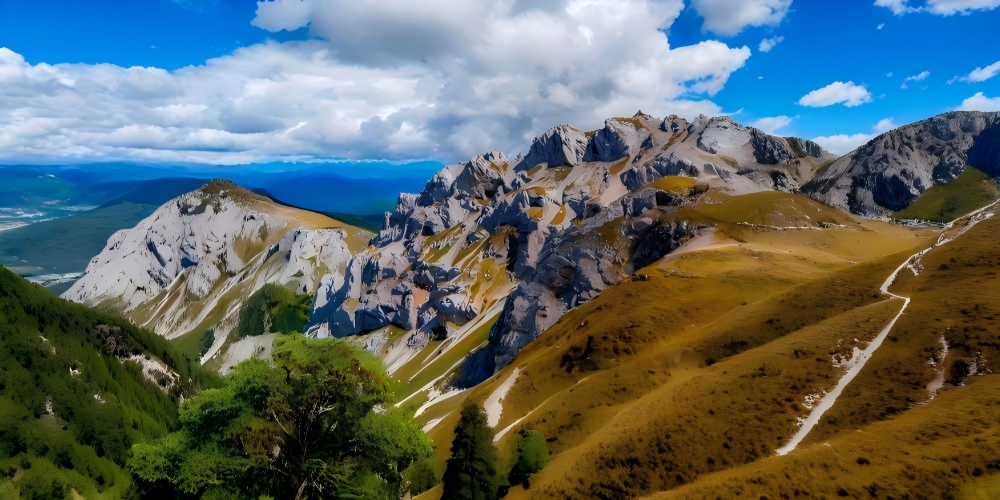
“ShikaThe name originates from Tibetan, meaning "a place where red deer roam." Red deer are among the most sacred mascots in Tibetan Buddhism, their divine significance self-evident. Located just 7 km from downtown Shangri-La, Shika Snow Mountain is a comprehensive travel attraction conveniently close to Shangri-La Airport and the high-speed rail station within Diqing Prefecture. The attraction covers an area of approximately 65 square kilometers, stretching from the Highland Barley Rack Scenic Boulevard to the main peak of Shika Snow Mountain. It encompasses natural landscapes including the Yanqingbo Pasture, Lingxi Lake, and ancient gold mine ruins, featuring snow-capped mountains, pastures, sacred lakes, forests, and meadows—a microcosm of Shangri-La. The highest point is the main peak of Shika Snow Mountain at 4,449 meters above sea level, while the lowest point is the Napahai Meadow at 3,270 meters, creating a dramatic elevation difference of 1,179 meters. This area nearly encompasses all the vertical ecological zones of subalpine and alpine regions found in the "Three Parallel Rivers" World Natural Heritage Site of northwest Yunnan. Shika Snow Mountain is not only a sacred mountain of the Jiantang Basin but also a renowned alpine pasture. Rich in both natural and cultural resources, it offers immersive experiences in mountain blessing rituals, pastoral and agricultural traditions, folk culture, as well as unique geological formations and biodiversity. Shika Snow Mountain - the First God of Wealth Mountain in the World From afar, Shika Snow Mountain resembles a giant golden toad, with another massive stone toad perched atop its summit. These two toads quietly crouch southwest of Jiantang Town, having absorbed the essence of heaven and earth while gathering wealth from all directions for millennia. Historically, Shika Snow Mountain has been revered as Shangri-La's guardian mountain of prosperity. As early as 1,300 years ago, its peak served as a sacred altar where Tibetan kings performed rituals to worship celestial deities. During the Ming Dynasty, the Mu chieftains of Lijiang once mined gold here, creating a flourishing era—mining relics still remain on the mountain today. Thus, Shika Snow Mountain is also known as the World's First Mountain of Wealth, where pilgrimage is believed to bring financial fortune and good luck. Shika Snow Mountain - the sacred snow peak where you can pay homage to the eight great divine mountains. The only snow mountain offering panoramic views of the eight sacred mountains. From the summit of Shika Snow Mountain, you can enjoy unobstructed panoramic views of the surrounding peaks, including the Three Sacred Snow Mountains of Daocheng to the east.Chenresig, Jampelyang, and Chanadorjeto the south you can see Haba Snow Mountain and Jade Dragon Snow Mountain, to the west lies Biluo Snow Mountain, and to the north overlooksMeili Snow Mountain, Baima Snow Mountain...Such a miraculous and spectacular sight, the extraordinary privilege of worshiping the eight sacred mountains at the summit, is unparalleled anywhere else in the world! The eight sacred mountains resemble eight pure white lotus petals encircling Shika Snow Mountain at their very center, earning it the reputation as the place where the eight-petaled lotus blooms in the sacred realm of Shangri-La. Yana Qingbo Pasture - Emerald in the Valley Nestled on the slopes of Shika Snow Mountain at an altitude of 3,746 meters, Yanqingbo Pasture resembles an emerald embedded in the forest. During spring and summer, the meadow blooms with flowers as cattle and sheep graze leisurely. Herders prepare butter tea nearby, while wisps of smoke rise from the wooden cabins, painting a picture of simple, unhurried life. Lingxi Lake – A Place to Pray for Love Lingxi Lake, known as "Mabeng Yangcuo" in Tibetan, covers an area of 30,000 square meters. Surrounded by dense national rare protected plants like long-bracted fir trees, the understory features shrubs like rhododendrons and swamp meadows, creating a serene and mysterious atmosphere. In summer, the lakeside meadows burst into colorful blooms, with the striking alpine ornamental medicinal plant Rheum alexandrae and rhododendron bushes standing out. The large yellow-white bracts of Rheum alexandrae grow in layers on their stems, resembling miniature golden lotus pagodas towering by the lake. Shika Snow Mountain andQianhu Mountain Scenic AreaConnected as one, the area is renowned for its numerous lakes. The Black Sea, Lingxi Lake, and Red Sea on Shika Snow Mountain are all located at elevations above 3,800m, representing classic glacial erosion lakes. It connects withThe formation lakes in Napa Lake Scenic Area and Potatso National Park are different., making it one of the distinctive views of Shika Snow Mountain. Vertical zonation landscapes and biodiversity The distinct vertical ecological zones showcase Shika Snow Mountain's remarkable biodiversity. At 3,270–3,300m lies the subalpine meadow, where azaleas, buttercups, wolf's bane, primroses, and irises bloom in vibrant competition during spring and summer, creating a dazzling "five-flower meadow." Between 3,300–4,100m stretches the subalpine cold-temperate coniferous forest belt. From afar, the emerald-green Larix potaninii forests contrast strikingly with the dark-green Abies forests, while diverse shrubs and herbaceous plants thrive beneath the canopy. Above 4,100m, alpine shrub meadows and scree slopes host rare species like Meconopsis, Bergenia, Potentilla anserina, snow tea, golden alyssum, Primula pulchella, and Pedicularis.

3–5 hours
From USD 4.43

Top Highlights
Mountain climbingNo. 8 of Best Things to Do in Diqing
View Details
Xishuangbanna General Buddhist Temple
Jinghong, Xishuangbanna, Yunnan

Xishuangbanna General Buddhist Temple

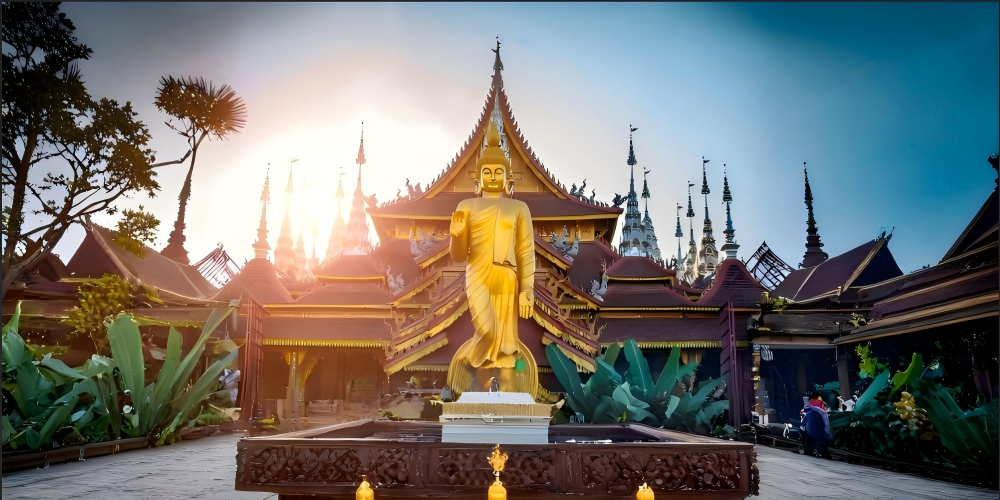
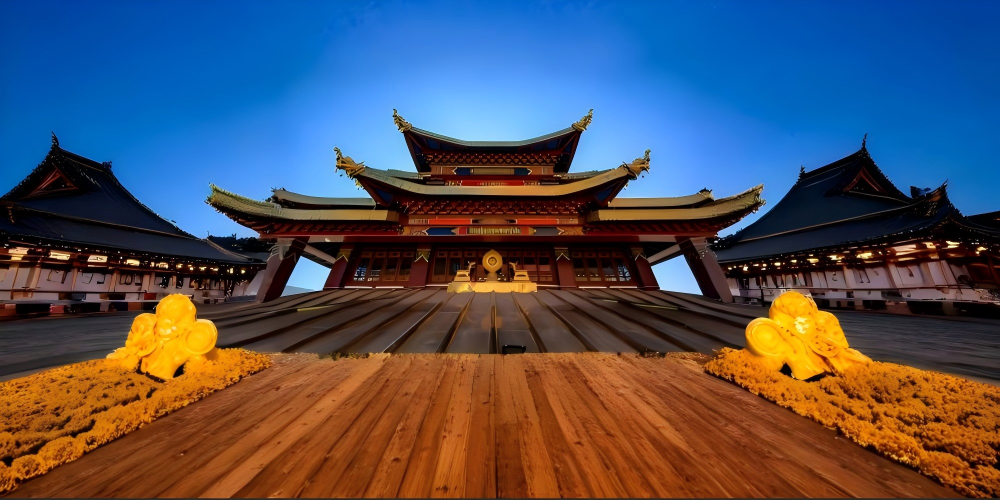
The Xishuangbanna General Buddhist Temple is located near Manting Park in Jinghong Town, serving as the spiritual center for Buddhist devotees in Xishuangbanna, with a continuous stream of worshippers visiting. The temple's grand and majestic architecture features unique details in every corner, with exquisitely carved beams and pillars that offer visual delight. The Xishuangbanna General Buddhist Temple is connected to the Manting Imperial Garden, and visitors typically enter the temple through the garden. Visitors can first admire the magnificent exterior architecture, and if time permits, step inside to experience Buddhist rituals, quietly meditate, and listen to the sounds of nature. Known as "Waba Jie" in the Dai language, the Xishuangbanna General Buddhist Temple has long been the central pilgrimage site for local Buddhists. Before liberation, it was a sacred place where the region's highest rulers and chieftains came to pray, and it remains one of the most prestigious Buddhist temples in Xishuangbanna.

1–2 hours
Free

Top Highlights
Historic landmark
View Details
Ancient Town Shaxi
Jianchuan, Dali, Yunnan

Ancient Town Shaxi

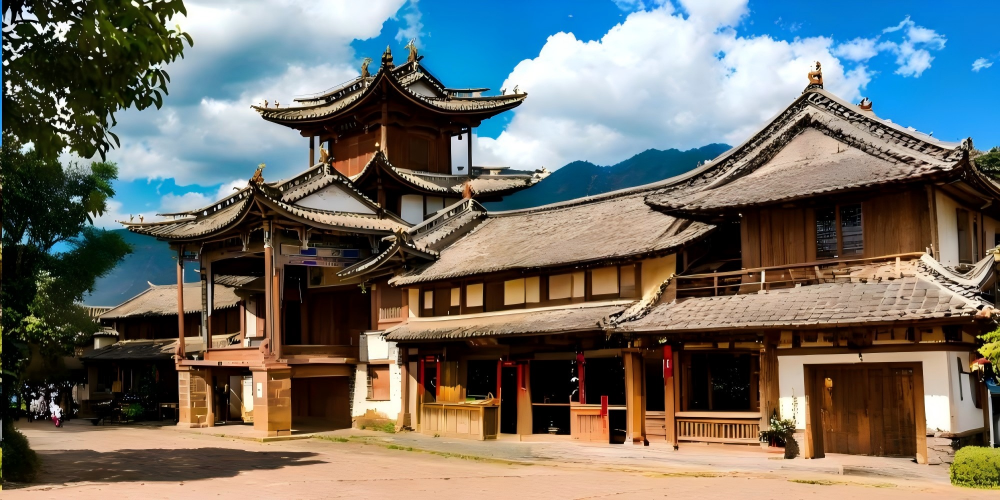
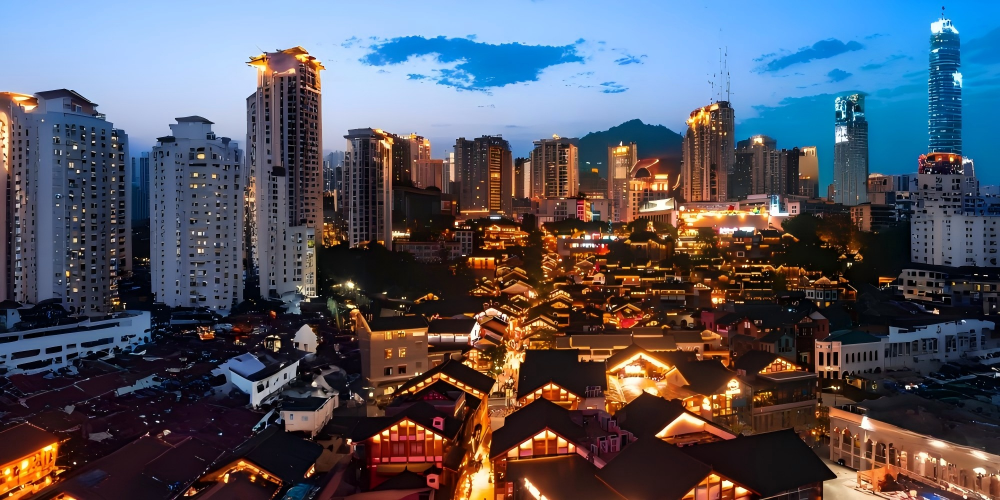
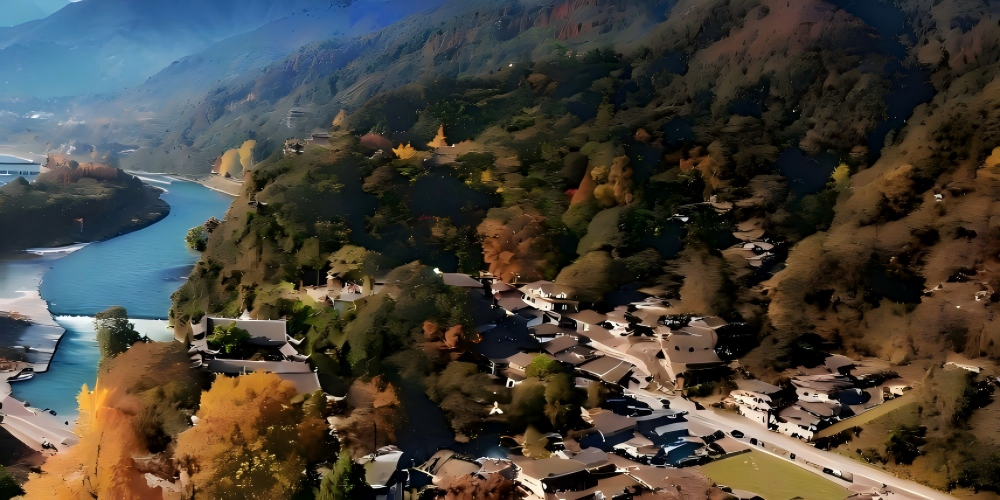
Ancient Town Shaxi was once an important stop along the Ancient Tea Horse Road. As the route declined, it gradually faded into obscurity. However, this very isolation has preserved its tranquil, rustic charm, allowing it to retain the authentic atmosphere of its tea-trading past. Locals in northwest Yunnan say: "Visit Dali, pass through Lijiang, but don't miss Ancient Town Shaxi." Tour Route Crossing the ancient stone bridge over the Heihui River—Yujin Bridge—and walking about 100 meters along the old trail, you'll reach the East Village Gate, locally known as "Jiezi Gate." Built with rammed earth, this narrow gate allows only two horses to pass simultaneously, preserving its original appearance from the Tea Horse Road era. Beyond it lies Sideng Street, the sole surviving market along the Tea Horse Road and the heart of Ancient Town Shaxi. The street is paved with red sandstone slabs, flanked by an ancient opera stage facing west on the east side and Xingjiao Temple facing east on the west side, creating a symmetrical layout that divides the square into northern and southern halves. Surrounding the square are shops and horse inns, with three ancient alleyways extending in all directions of the town. Ancient Town ShaxiHighlights: Xingjiao Temple Xingjiao Temple is a major highlight of Ancient Town Shaxi. As one of the few remaining Bai ethnic "Atoli" Buddhist temples from the Ming Dynasty in China, its exquisite murals and carvings are worth savoring. Visitors can enter for free by registering their ID cards. During ethnic festivals, Bai people dressed in traditional costumes gather at Sifang Street, playing the dragon-headed sanxian and performing songs and dances on the stage. The bustling square fills with crowds while devotees worship at the temple, creating a joyous atmosphere. The liveliest celebration is the annual Prince Festival on the eighth day of the second lunar month. Accommodation and dining Ancient Town Shaxi is quite small and can be explored in just 1–2 hrs of casual strolling. However, if time allows, we recommend staying overnight to leisurely wander along the old streets and savor the tranquil charm that Dali Ancient Town lacks. The town offers affordable accommodations like youth hostels and various inns. You can grab meals at roadside eateries or try local specialties such as yacon, matsutake mushrooms, and milk cakes.

3–5 hours
From USD 0

Top Highlights
Historic landmarkMountain climbingNight view
View Details
Jianshui Ancient City
Jianshui, Honghe, Yunnan

Jianshui Ancient City

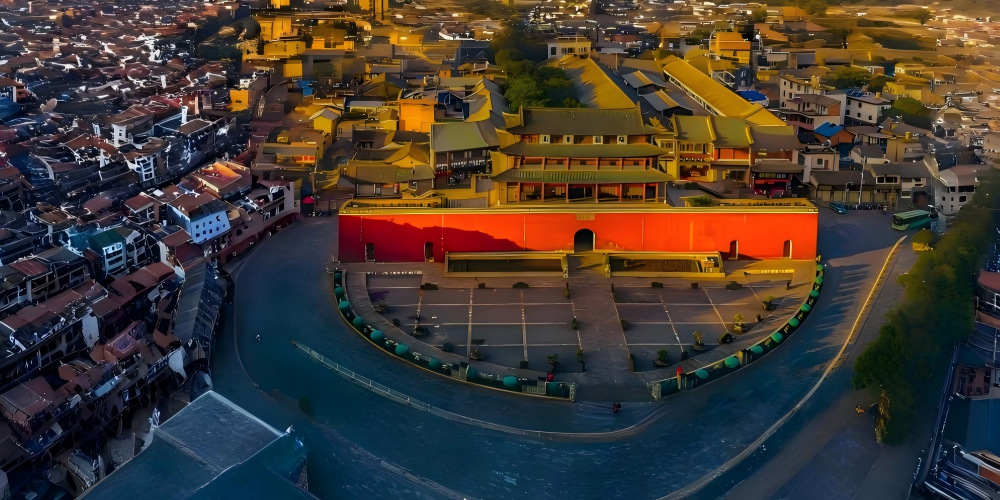
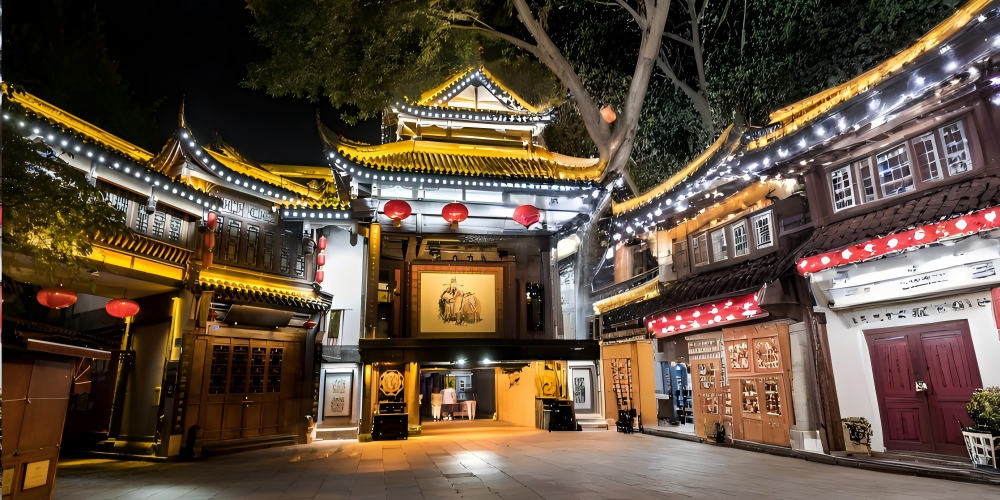
The ancient city of Jianshui, known as Lin'an historically, is a famous city with a profound historical and cultural background. It is located in Jianshui County in Honghe Prefecture. The ancient city of Jianshui is listed as a National Historical and Cultural City. It has been in existence for twelve centuries. The ancient buildings in the city are beautiful and well preserved. The Temple of Literature, Zhu's Garden and the School of Examinations in the ancient city all reflect Confucius’s ethos of the ancient city of Jianshui. More than fifty ancient buildings have been preserved to date, which won Jianshui the moniker the “Ancient Architecture Museum” and the “House Museum.”

3–5 hours
From USD 0

Top Highlights
Historic landmarkNight viewNo. 16 of Night Attractions in Yunnan
View Details
Yuanyang Hani Terrace
Yuanyang, Honghe, Yunnan

Yuanyang Hani Terrace

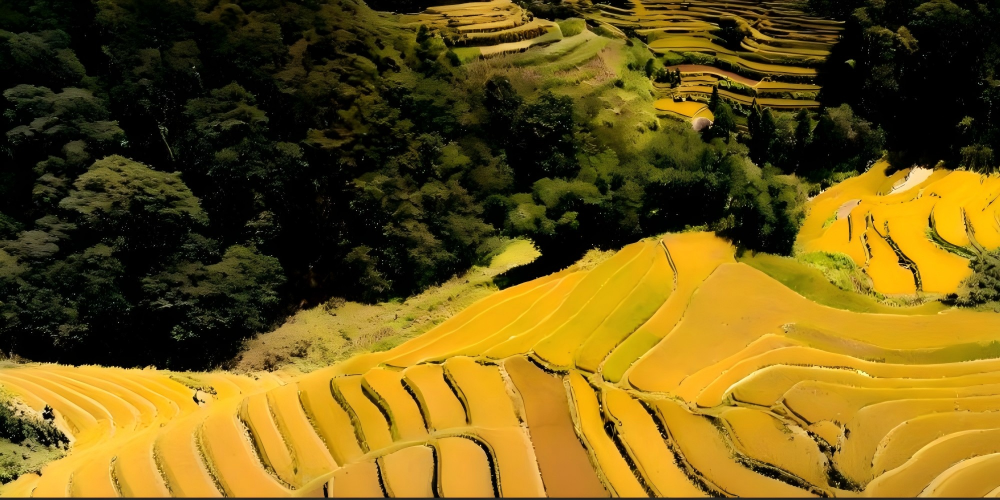
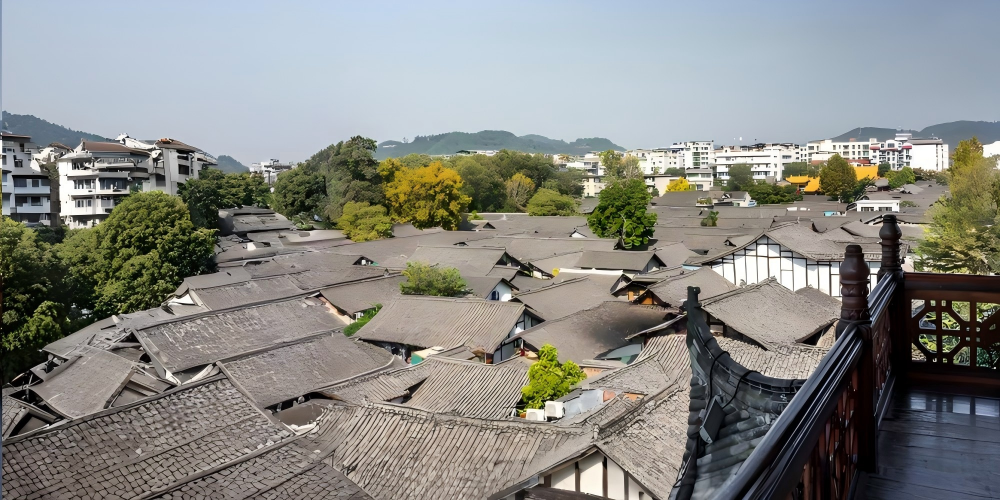
The Honghe Hani Rice Terraces are located on the southern slopes of the Ailao Mountains in Yunnan province. They were constructed over generations by the local Hani people. There are four major scenic spots in the area: Bada, Tiger Mouth, Duoyishu, and Jingkou Village. The rice terraces look particularly beautiful at sunrise and sunset. The frequent early morning mist that envelops the terraces creates a surreal landscape. Visitors can also learn about the Hani people's unique culture.

1–2 days
From USD 10.34

Top Highlights
Historic landmarkNatural sceneryNight view
View Details
Dukezong Ancient Town
Xianggelila, Diqing, Yunnan

Dukezong Ancient Town

Dukezong Ancient Town is Located on the southeast corner of Shangri-La County in Yunnan province, Dukezong Ancient Town is an ancient Tibetan town with a history of more than 1,300 years. Diqing Tibetan Autonomous Prefecture and was built for the Tubo Kingdom of the Tang Dynasty. "Dukezong" is a Tibetan pronunciation, meaning "Moonlight City" and "castle built on stone”. Dukezong Ancient Town is built on the mountain foot and the road surface was paved with slate from the ceaseless up-and-down undulations of paved roads, you can still find the faint imprints of horseshoes , which is the token left by the long-time horses and precious token from the ancient caravans since the town is the last stop of Old Tea - Horse Road.

3–5 hours
From USD 0

Top Highlights

Night viewNo. 1 of Family-friendly Attractions in Diqing
View Details
The Ancient Town of Shuhe
Lijiang, Yunnan

The Ancient Town of Shuhe

Shuhe Ancient Town is located in the ancient city of Lijiang, which is the northwestern part of Dayan Ancient City. It is an important station on the ancient tea-horse road. The structural layout of the ancient town is similar to that of the Dayan Ancient City. There are many ancient buildings, and there are clear small rivers between the roadways. The environment is very beautiful. Walking in the ancient town, you can still feel the prosperity of its past. The Tea Horse Road Museum has a wealth of historical information to impart and is well worth seeing.

3–5 hours
From USD 0

Top Highlights

Mountain climbingNight viewNo. 19 of Night Attractions in Yunnan
View Details
Dali Ancient City
Dali, Dali, Yunnan

Dali Ancient City

Dali Ancient City lies at the foot of the picturesque Cangshan Mountain, serving as the former capital of the ancient Nanzhao and Dali kingdoms. This is a place made for living—locals follow the sun's rhythm, tending to flowers and basking in sunlight during leisure hours. With its abundant sunshine and pleasant climate, it attracts countless visitors.In Dali Ancient City, you can spend your day strolling along Fuxing Road, a pedestrian street lined with shops selling local specialties like marble carvings, ethnic costumes, and regional snacks. Browse through the vibrant stores to discover unique handicrafts, and when you need a break, stop by the roadside eateries to sample authentic local flavors.At night, immerse yourself in the local vibe by joining the crowds at Foreigner Street and Renmin Road. This area boasts an array of unique bars and cozy cafes, with some venues featuring live performances by resident singers or impromptu acts from fellow travelers. The lively atmosphere is electric. Lose yourself between cocktails and music to discover your own unforgettable nightlife experience.

0.5–1 day
From USD 0

Top Highlights

Night view2026 Asia 100 - Night Attractions
View Details
Old Town of Lijiang
Lijiang, Yunnan

Old Town of Lijiang

The Lijiang Ancient City is a UNESCO World Heritage Site that has a history of over 800 years. It was an important stopover point in ancient times playing a very important role in the trading activities among Yunnan, China hinterland, Tibet, India and many other neighbouring Asian countries. The town is full of ancient wooden buildings, stone roads, and small bridges. It is the only old city built without a city wall. Standing in the city, you can see the Jade Dragon Snow Mountain. Several television series were also shot here. The former mansion of the Tusi people (Mu Mansion) and the Naxi ancient music performances should definitely be on your checklist.

0.5–1 day
From USD 0

Top Highlights

Historic landmarkNight view2026 Asia 100 - Night Attractions
View Details
Ganden Sumtseling Monastery
Xianggelila, Diqing, Yunnan

Ganden Sumtseling Monastery

Songzanlin Temple, also known as Guihua Temple, is located at the foot of Foping Mountain, 5 kilometers north of Shangri-La. It is not only the largest Tibetan Buddhist temple complex in Yunnan, but also the center of the Yellow Sect in northwestern Yunnan, known as the "Little Potala Palace". The monastery is built on the mountain and looks like an ancient castle. Every year on the 29th day of the 11th lunar month, Tibetans hold the Gedong Festival, which is mainly based on "God Dance" (mask dance). The atmosphere is mysterious and warm.

1–3 hours
From USD 8.12

Top Highlights

Historic landmarkNight view
View Details
Erhai Lake
Dali, Dali, Yunnan

Erhai Lake

Erhai Lake, known as Yunnan's "Pearl of the Plateau," is the heart and soul of Dali. Despite being called a "sea," it's actually a magnificent freshwater lake shaped like a crescent moon resting at the foot of Cangshan Mountain, where the breathtaking harmony of water and mountains creates an utterly mesmerizing landscape.Erhai Lake is located in Dali City, situated in the watershed area of three major river systems: the Lancang, Jinsha, and Yuan rivers. With a surface area of approx. 252 sq km, it measures 42.5 km in length from north to south and averages 6.3 km in width from east to west, featuring a shoreline of 128 km. It ranks as Yunnan's second largest freshwater lake after Dianchi. The lake earned its poetic name "Erhai" (meaning "Ear-shaped Sea") from ancient people due to its ear-like shape and its vast, sea-like expanse of misty waters.Erhai Lake boasts not only breathtaking natural scenery but also profound Bai ethnic culture and historical significance. Revered since ancient times as the "Silver Cangshan and Jade Erhai," it's home to the famed "Moon over Erhai" among Dali's "Wind, Flower, Snow, and Moon" quartet of attractions. The lake is dotted with scenic spots like Golden Shuttle Island, Little Putuo Island, and Nanzhao Folklore Island. Golden Shuttle Island stands out as Erhai's only inhabited primitive island, preserving intact Bai fishing village architecture and Benzhu worship traditions, with its annual Torch Festival's pine resin powder ritual leaving visitors awestruck. Folk celebrations like the "Sea Play Festival" originate from legends such as Lady Baijie's martyrdom and Duan Chicheng's serpent-slaying, embodying the shared values of loyalty and guardianship among multiple ethnic groups.Today, cycling around Erhai Lake, strolling along the ecological corridor, enjoying Bai ethnic songs and dances on a cruise, and savoring the Three-Course Tea have become classic ways for travelers to immerse themselves in the breathtaking scenery of Cangshan Mountain and Erhai Lake. Whether it's the serene sunrise at Longkan Pier in the early morning, the viral waterside grove at Panxi S Bend, or the lakeside cafes in Shuanglang Ancient Town, Erhai Lake always offers a poetic retreat for every visitor.

1–2 days
From USD 0

Top Highlights

Natural sceneryBoat tourNight view
View Details
The Chongsheng Temple And The Three-Pagoda Culture Tourist Area
Dali, Dali, Yunnan

The Chongsheng Temple And The Three-Pagoda Culture Tourist Area

The Chongsheng Temple and the Three-Pagoda Culture Tourist Area is located 1.5 km north of Dali Ancient Town, serving as the royal temple during the Dali Kingdom period. Nestled between Erhai Lake to the east and Cangshan Mountain's Yinglue Peak to the west, it boasts breathtaking scenery. The three pagodas were originally part of Chongsheng Temple. While the current temple is a reconstruction, the pagodas remain as thousand-year-old relics and the area's main attraction. Visitor route: Upon entering through the main gate, you'll immediately see the three pagodas standing along the central axis on a raised platform. The central Qianxun Pagoda, flanked by two smaller pagodas to the north and south, forms an impressive triangular layout. Their architecture resembles Xi'an's Small Wild Goose Pagoda. The best photo spot is at the Reflection Pool in Three Pagodas Reflection Park behind them, where visitors capture perfect shots of the pagodas with their mirror images. Beyond the pagodas, follow the central axis to explore cultural relics excavated during restoration at the exhibition hall, see the 16-ton Nanzhao Bell in the Bell Tower, and admire the Rain-Copper Guanyin statue before reaching Chongsheng Temple. Reconstructed in 2005, this grand temple recaptures the imperial splendor of the Nanzhao and Dali periods, featuring over 10,000 dragon carvings - the most in any Chinese temple. Don't miss the massive 3.1m-diameter drum made from a single oxhide, another remarkable highlight.

2–3 hours
From USD 10.78 (market USD 11.07)

Top Highlights

Historic landmarkBoat tourNo. 17 of Best Things to Do in Yunnan
View Details
Heshun Ancient Town
Tengchong, Baoshan, Yunnan

Heshun Ancient Town

Heshun ancient town is located 4 km west of Tengchong county. Built in the Ming dynasty, it was originally named "Heshun" due to a small river winding around the village. Later, literati renamed it "Heshun" meaning "harmony and prosperity". As a famous hometown of overseas Chinese in Yunnan province, Heshun ancient town was a key stop on the ancient tea-horse road and an essential part of the southwest silk route. Heshun ancient town is built around the mountains, gradually rising from east to west, stretching for two to three kilometers. The town is dotted with ancestral halls, archways, and ancient residences from the Ming and Qing dynasties. In front of the town lies a vast plain, with clear streams winding around the village and weeping willows brushing the banks, creating a harmonious pastoral scenery. The main attractions in the town include: the Dian-Myanmar anti-Japanese war museum, Heshun ancient town - Zhongtian temple, Wanlouzi, Liu's ancestral hall, and Ai Siqi memorial hall.Wenchang palaceHeshun library Wandering through the winding alleys of the ancient town, you can explore its old houses, historic streets, and ancestral halls. The Wanlouzi folk house museum will open your eyes to unconventional architecture - no wonder the popular TV series "Beijing love story" chose this location for filming. The Cunshi ancestral hall and the former residence of the jade king will leave you marveling at the exquisite craftsmanship of the town's buildings. When tired, rest at the teahouse in the Liushi ancestral hall and savor tea brewed with local Longtan water and chestnut charcoal fire - a truly memorable flavor. At the Heshun library, you can witness artisans making traditional Xuan paper, one of Tengchong's three treasures (Tengchong paper, Tengchong medicine, and Tengchong bamboo weaving). Feel free to purchase some as souvenirs if interested. When you're tired from walking and hungry, the various snacks in the ancient town will not only satisfy your appetite but also let you savor the long and eventful history. Cun's bean powder and Aunt Lin's pine flower cakes carry the flavors of time. Or simply sit down at any restaurant and order local specialties like "three drops of water," "brain," or "earthen pot." Just the food alone will make your trip worthwhile. Heshun Ancient Town covers a large area with numerous attractions, making it impossible to explore fully in just one day. Consider staying overnight in the town to not only have ample time for sightseeing but also to experience the charm of guesthouses converted from ancient residences. The town boasts many such inns, mostly renovated from traditional homes, some featuring spacious two or even three-courtyard layouts at affordable prices. Find a guesthouse you like, sleep in until you wake naturally, then leisurely stroll to the snack stalls at the town entrance for a bowl of the famous local dish "dajiujia." Afterwards, bask in the sun at the riverside laundry pavilion and savor Heshun's relaxed pace of life like a local.

1–2 days
From USD 4.06

Top Highlights

Historic landmarkBoat tourNight view
View Details
Potatso National Park
Xianggelila, Diqing, Yunnan

Potatso National Park

Located in the center of the Shangri-La Scenic Area, Pudacuo National Park is an important part of the world's natural heritage, called the Three Rivers Convergence. It consists of three parts, namely Bitahai, Shuduhu, and the Xiagei Folk Culture Village. The park has beautiful scenery, a well-preserved ecological environment, quiet and clear mountain lakes, vast pastures, wetlands filled with flowers and lush virgin forests. Every spring, the park is filled with blooming rhododendrons, while the Autumn brings with it the rich colors of changing leaves.

0.5–1 day
From USD 35.13

Top Highlights

Natural sceneryBoat tourNo. 10 of Best Things to Do in Yunnan
View Details
Cangshan Mountain
Dali, Dali, Yunnan

Cangshan Mountain

Cangshan Mountain, also called Diancangshan Mountain, is located on the west side of the Erhai Lake in Dali. It's scenery is spectacular and it is one of the four scenic spots of Dali. The main peak of the mountain is snowy all year round and the mountain is often shrouded in clouds. You can take the cablecar up the mountain or walk up the mountain. After ascending the Cangshan Mountain, you can overlook the beautiful Erhai Lake and Dali Ancient City.

3–5 hours
From USD 47.23

Top Highlights

Mountain climbingNo. 6 of Cool Water Escapes in Yunnan
View Details
Ali Shenshan Shenghu Tourist Area
Pulan, Ngari, Tibet

Ali Shenshan Shenghu Tourist Area

Sacred Mountain and Holy Lake The sacred mountains and lakes are located in the heartland of the Gangdise cultural sphere, the birthplace of the ancient and enduring indigenous religion of Xizang, Bon. To this day, the sacred mountains and lakes region remains jointly revered by Bon, Tibetan Buddhism, Hinduism, and Jainism."The "Center of the World." Every year, countless devoted pilgrims from all directions still make arduous journeys to this sacred site. The unique natural landscape where towering holy mountains mirror sacred lakes on the Tibetan Plateau, combined with its legacy as a cradle of ancient civilizations and spiritual pilgrimage destination, elevates this sacred mountain-lake region to unparalleled heights—both physically and spiritually.The majestic sacred mountain, Mount Kailash, is hailed as the pantheon of deities;The sacred Lake Manasarovar, with its purifying eight-virtue waters, can cleanse all sins. Here, the mighty forces of nature and spiritual faith unite to create a pinnacle of devotion.IfAri is known as the roof of the world's roof,The Sacred Mountains and Holy Lakes are the crown jewels of Ngari. Here, the Himalayas and Gangdise Mountains reflect each other's grandeur, four mighty rivers originate from the beautiful holy lakes, and vast grasslands dotted with cloud-like herds stretch endlessly. Drive along the shores of these majestic lakes and the foothills of sacred peaks on the Xinjiang-Tibet Highway—the world's highest-altitude road—through this paradise for outdoor enthusiasts.

2–3 days
From USD 22.14

Top Highlights

Natural scenery
View Details
Guge Kingdom Ruins – Red Palace
Zhada, Ngari, Tibet

Guge Kingdom Ruins – Red Palace

The Red Hall, located in the Ngari region, is one of the important historical sites of the Guge Dynasty. The Guge Dynasty was once a prosperous kingdom in history. Its ruins are located in the earth forest landform by the Xiangquan River, showing the splendid local civilization. The Red Hall is an important building in the ruins, famous for its unique architectural style and exquisite murals. The murals in the hall preserve rich religious and historical content, depicting religious ceremonies, life scenes and mythological stories during the Guge Dynasty. These murals are not only artistic treasures, but also important materials for studying the ancient local religious culture and social life. The architectural structure of the Red Temple embodies the characteristics of ancient Tibetan architecture, using local building materials and craftsmanship, and demonstrating the wisdom and skills of ancient craftsmen. Visitors can feel the strong historical atmosphere and religious mystery when visiting the Red Temple.

20–40 minutes

Top Highlights

View Details
Samye Temple
Zhanang, Shannan, Tibet

Samye Temple

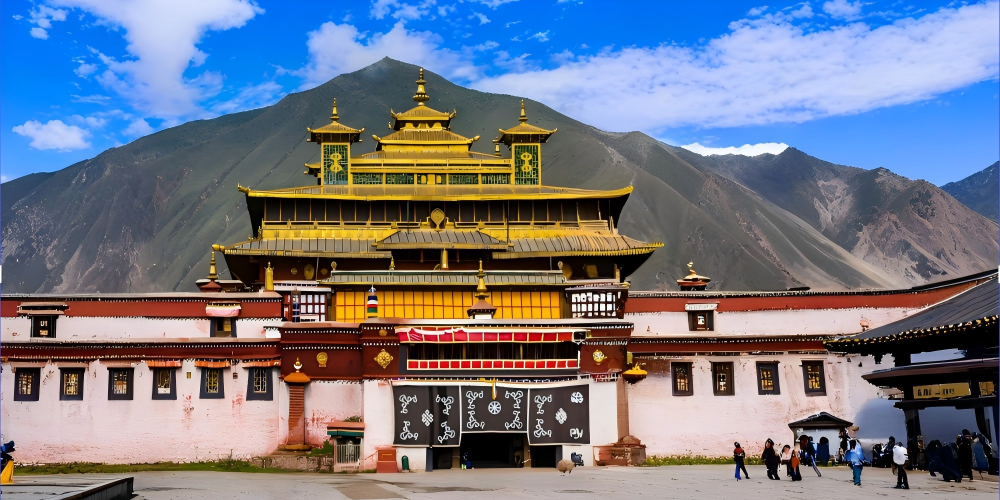
Located at the foot of the sacred Habur Mountain in Zhanang County, Shannan Prefecture, Samye Monastery is the first monastery in Tibet where monks were ordained. It is also the first monastery in the history of Tibetan Buddhism that has all the "Buddha, Dharma, and monks". It is known as "a masterpiece in the history of architecture". The temple architecture is laid out according to the Buddhist cosmology. The main hall has three styles: Tibetan, Han, and Indian. Therefore, Samye Monastery is also known as the Three-style Temple. Samye Monastery is based on the Udapo Monastery built by the ancient Indian Brahma Dynasty in Magadha. It was led by Guru Padmasambhava and took 12 years to build. Legend has it that when it was first built, Trisong Detsen was eager to know what it would look like after it was built, so Padmasambhava conjured up an illusion of the temple from his palm. After seeing it, Trisong Detsen couldn't help but exclaimed "Samye" (meaning "unexpected" and "unimaginable"), and later used this exclamation as the name of the temple. After generations of expansion and renovation, Samye Monastery covers an area of ​​more than 4,900 square meters. The main hall is surrounded by eight small islands, the Sun and Moon Hall, and four towers in white, black, green and red. In the morning or evening, you can climb to the top of the sacred mountain Habu Ri next to Samye Monastery to overlook the panoramic view of Samye Monastery and the Yarlung Zangbo River. The scenery is endless. The entire temple of Samye Monastery faces south and consists of two major parts: the central hall and the surrounding corridors. The layout of the temple is designed according to the structural layout of the "Great World" in the Buddhist scriptures and built according to the mandala of Tantric Buddhism. The main body of the Wuzi Hall represents Mount Xumi, the center of the world. The four halls around the hall represent the four continents and eight small continents in the four salt seas. The Sun and Moon Halls symbolize the Sun and Moon Halls in the universe, and the temple walls symbolize the Iron Mountain outside the world. Four red, white, green and black towers are built around the main hall to subdue all evil spirits and demons and prevent natural disasters and man-made disasters. There is a gate on each side of the wall, and the east gate is the main gate. The Wuzi Hall and the corridors are full of murals. In addition to conventional themes, there are also well-known "History of Tibet" murals on the middle corridor of the wall. The paintings record the ancient legend of the Rakshasa woman and the monkey god who gave birth to the Tibetans, and Tsongkhapa founded the Gelug Sect. The mural is 92 meters long, magnificent and magnificent, and is known as the "History of Painting" in Tibet. In addition, there are "History of Samye Monastery" on the first and second floors of the main hall, and "Biography of Padmasambhava" and other murals on the south side of the second floor, all of which are exquisite and cannot be missed. On the south side of the east gate, there is a square columnar stone stele erected during the reign of Trisong Detsen. It is simple in style and has no patterns or other decorations. This is the famous "Samye Xingfo Zhengjian Stele". The inscriptions are all in ancient Tibetan, recording the oath made by Trisong Detsen in 779 AD to support Samye Monastery. In the porch of the main hall, there is also a large bell cast by Trisong Detsen's wife and prince. The temple is surrounded by lush trees, lush forests, lingering rivers and canals, and black-necked cranes leisurely foraging. It can be said to be a fairyland and a plateau oasis.

2–3 hours

Top Highlights

Historic landmark
View Details
Drepung Monastery
Lhasa, Tibet

Drepung Monastery

Drepung Monastery is found in the foothills of the western suburbs of Lhasa. The architectural complex of the monastery is large-scale. White houses and red halls line up onto the mountainside. They look like huge piles of rice which are spectacular when photographed. It is a monastery with a high status among the Gelug factions of Tibetan Buddhism. It has an impressive internal architectural atmosphere and is filled with many beautiful treasures.

3–5 hours

Top Highlights

Historic landmarkNo. 14 of Best Things to Do in Lhasa
View Details
Tashilhunpo Monastery
Shigatse, Tibet

Tashilhunpo Monastery

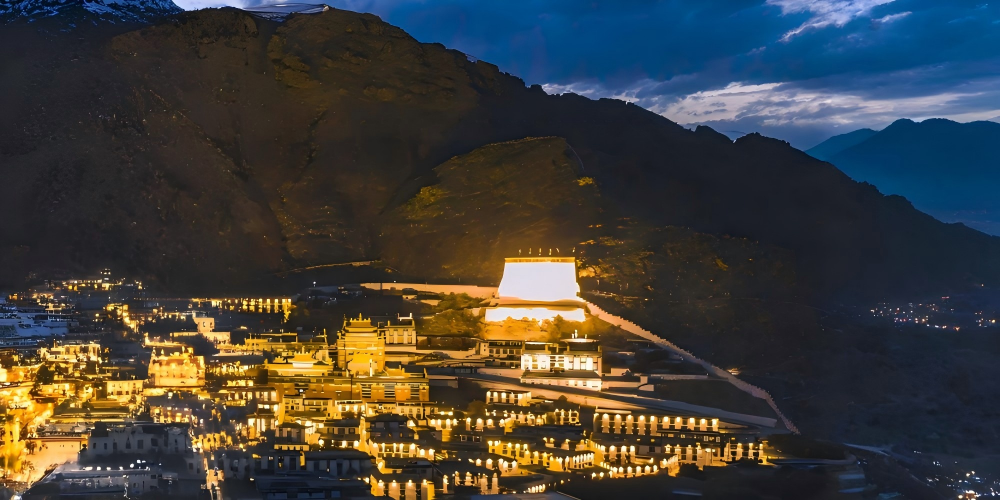
Tashilhunpo Monastery means "Auspicious Sumeru Mountain" in Tibetan. It is one of the six major Dge-lugs-pa temples. Since the 4th Panchen Lama, Tashilhunpo Monastery has become the head base of Panchen Lamas. Cuoqin Hall is the main hall of Tashilhunpo Monastery. Panchen Lamas used to preach a sermon to the monks throughout the temple. It is also the site for religious debates of monks. 7 Stupa Halls lie in the east of the monastery and dagobas of Panchen Lamas are placed there. The monastery also stores a number of valuable cultural relics in the Song, Yuan, Ming and Qing Dynasties.

2–3 hours
From USD 75.57

Top Highlights

Historic landmarkNo. 20 of Best Things to Do in Tibet
View Details
Sera Monastery
Lhasa, Tibet

Sera Monastery

The Sera Monastery is called salad Dalai Chau. It is located at the foot of the Seraulu Mountain in the northern suburbs of Lhasa City. It was built for the disciples of the Tsongkhapa Master Minchin Ching-chih and the Ming Dynasty Yongle. Sera Monastery is a large-scale temple built on a hill. It is one of the three largest temples in Lhasa and one of the six temples of Gelugpa (Yellow religion).

3–5 hours

Top Highlights

Historic landmarkNo. 18 of Best Things to Do in Tibet
View Details
Norbulingka
Lhasa, Tibet

Norbulingka

Norbulingka is a palace and surrounding park in Lhasa, Tibet, which has a lot of relics and treasures remained. As a huge and exquisite park of Tibet, there are more than 300 rooms in it. Norbulingka has a beautiful scenery surrounded by various types and numbers of plants and flowers, which is like a wondering place of the earth.

2–3 hours
From USD 27.74

Top Highlights

Historic landmarkNo. 1 of Family-friendly Attractions in Tibet
View Details
Barkhor Street
Lhasa, Tibet

Barkhor Street

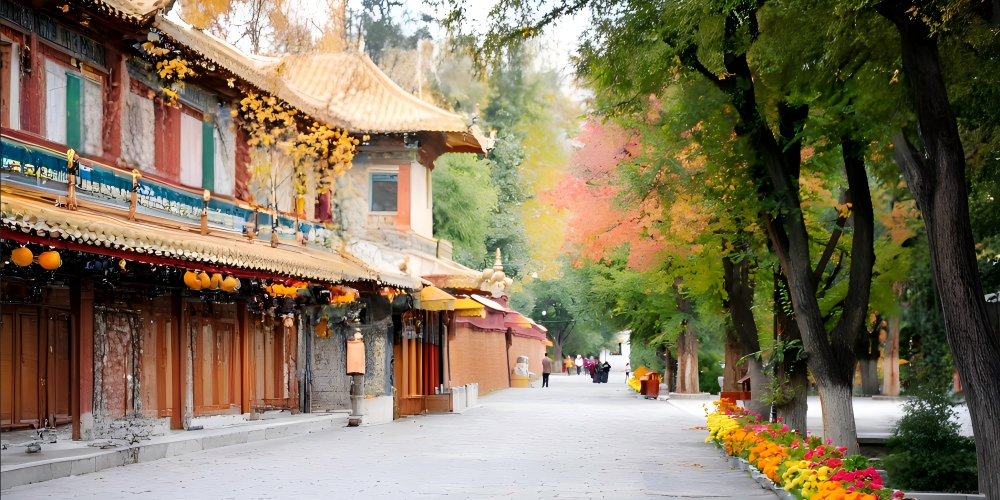
Barkhor Street, also known as Bajiao Street located in Lhasa, Tibet. The street is a well known ancient street representing the culture and folk customs of Tibet. While walking on the street, you can experience what life was like in the past, and experience the food and culture of natives to Lhasa. You can view and learn things from traditional dress, and dances, to traditional meals, to the architecture of the town itself, which has been well preserved throughout the years. Barkhor Street is a must-visit location to experience in Lhasa.

1–3 hours
From USD 0

Top Highlights

Night viewNo. 3 of Night Attractions in Tibet
View Details
Jokhang Temple
Lhasa, Tibet

Jokhang Temple

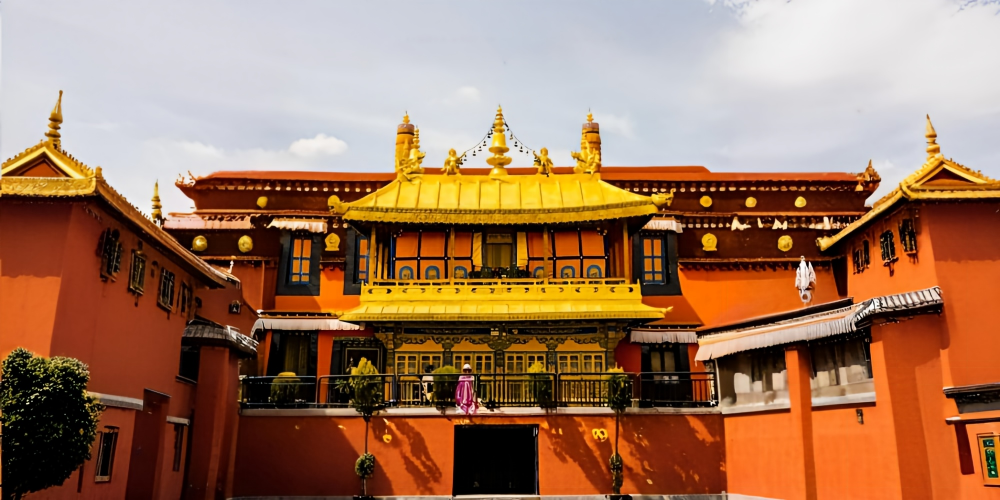
Jokhang Temple, called "Jokhang" in Tibetan, also known as "Zulakang", is the end point of the pilgrimage for Tibetan Buddhists. In their hearts, the sacredness of Jokhang Temple is no less than that of Potala Palace. Whether from the geographical location or in the minds of Tibetan Buddhists, Jokhang Temple is a veritable holy place and center of Tibetan Buddhism, and has an extremely lofty and holy status in the history of Tibetan Buddhism. Jokhang Temple was first built in the middle of the seventh century AD. It was built by the Tibetan King Songtsen Gampo to place the 8-year-old life-size statue of Sakyamuni brought from his hometown Kathmandu by his wife, Princess Bhrikuti of Nepal. In 1409 AD, Master Tsongkhapa, the founder of the Gelug Sect, promoted Buddhism in Jokhang Temple and held a grand ceremony to spread the Buddha's teachings, thus establishing its important position in the history of Tibetan Buddhism. In the eighth century AD, the 12-year-old life-size statue of Sakyamuni brought from Chang'an by Princess Wencheng of the Tang Dynasty when she entered Tibet was enshrined in Jokhang Temple, becoming the treasure of the temple and one of the must-see attractions for tourists and pilgrims.In addition, there are nearly a thousand-meter-long Tibetan murals "Princess Wencheng Entering Tibet" and "Construction of Jokhang Temple" in the temple, as well as two Ming Dynasty embroidered guardian deity thangkas, which are rare art treasures. There are three prayer paths in Lhasa, namely "inner, middle and outer", all of which are centered around Jokhang Temple. Among them, the inner circle around the Jokhang Hall along the Thousand Buddha Hall in the temple is called "Nangkor"; the circle around the Jokhang Temple is called "Bakor"; the circle around the Potala Palace, Yaowang Mountain, Jokhang Temple and Jokhang Temple is called "Lingkor". Scenic spot guide After entering the Jokhang Temple through the main gate, there is a patio-style courtyard. There are several rows of butter lamps on the east side of the courtyard. Because believers add butter every day, they are always burning. Behind the butter lamps is the main entrance of the Jokhang Temple. On the left side of the gate is Guru Padmasambhava, the founder of the Red Sect, and on the right side is Jampa Buddha, that is, Maitreya Buddha, also known as: Future Buddha. On the right wall is a mural about the story of the Jokhang Temple's construction, mainly about the appearance of the Potala Palace in the 7th century and the scene of the Jokhang Temple being built by filling the lake. Going clockwise, you will see the Buddhist Hall dedicated to the Yellow Sect's founder, Master Tsongkhapa, and his eight disciples. Continue to circle right, passing through the Yaksha Hall and the Dragon King Hall on both sides. Behind hundreds of butter lamps is the famous "Jokhang" Hall. It is not only the main body of the Jokhang Temple, but also the essence of the Jokhang Temple. The center of the Jokhang Hall is the Great Sutra Hall, where the lamas chant and practice on weekdays. There are many small sutra halls around it. Among them, the Sakyamuni Buddha Hall in the middle is not to be missed. It enshrines the life-size golden statue of Sakyamuni at the age of 12 brought by Princess Wencheng. This is the center of the Jokhang Temple and a holy place that devout pilgrims yearn for. There are stairs next to the courtyard leading to the second and third floors. On the second floor, there is the Dharma King Hall, which enshrines the Tibetan King Songtsen Gampo, Princess Wencheng, and Princess Bhrikuti, and the Bandan Lhamo Guardian Hall, which enshrines the Goddess of Good Fortune. Standing on the wide terrace on the second floor, you can overlook the Potala Palace, which is a great place to take photos. The golden roof on the third floor is also one of the highlights of the Jokhang Temple, but the third floor is not open to the public most of the time. If you are lucky enough to go up to the third floor, the four magnificent golden roofs will be breathtaking.

2–3 hours

Top Highlights

Historic landmarkNo. 6 of Best Things to Do in Tibet
View Details
Potala Palace
Lhasa, Tibet

Potala Palace

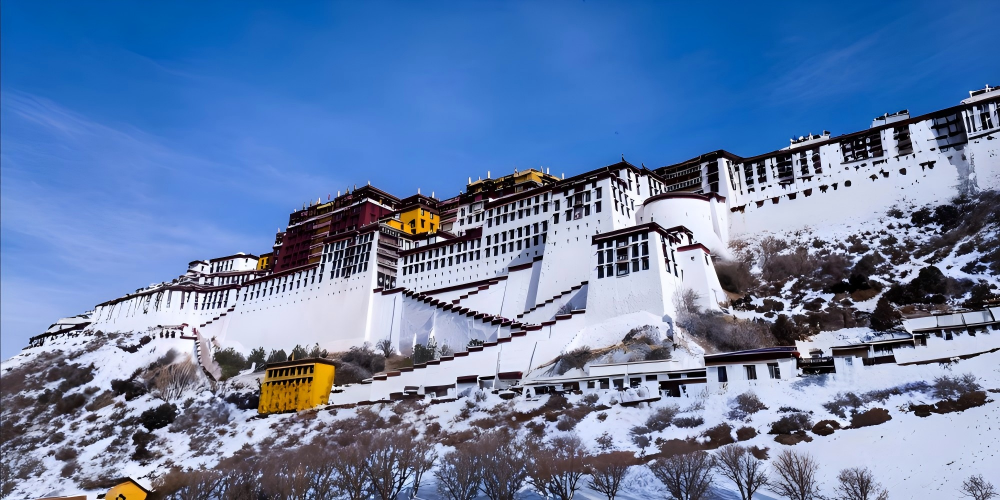
The Potala Palace is the symbol of Xizang and a sacred place in the hearts of all pilgrims! "Potala" is a Sanskrit word, also translated as "Putuo", which originally refers to the residence of Guanyin Bodhisattva. When you come here, you can not only view the large number of historical relics collected in the palace, appreciate the wonderful architectural art of the Tibetan people, but also have a baptism of the soul in that holy atmosphere. The origin of the Potala Palace According to historical records: In the 1930s of the seventh century AD, the 33rd Tibetan King Songtsen Gampo moved the capital to Lhasa and began to build the Potala Palace. Since then, major religious and political ceremonies have been held here, and it has become the ruling center of Xizang integration of politics and religion. The White Palace and the Red Palace The Potala Palace has a distinct Tibetan style and is majestic. It is the existing complete palace-style building complex in Xizang and is known as one of the world's top ten earth buildings. Its main buildings are divided into two parts: the White Palace and the Red Palace. The White Palace is named after its white exterior wall. It is the place where the lamas live and conduct political activities. Because the sun shines all day long, it is called the East and West Sunlight Palaces. The Red Palace is located at the top center of the Potala Palace. Its outer wall is red and it consists of many stupas and various Buddhist temples. Historical relics The Potala Palace houses and preserves a large number of historical relics, including stupas, statues, murals, thangkas, scriptures and books, as well as gold books, jade books, gold seals granted by the emperors of the Ming and Qing dynasties, which show the historical relationship between the Xizang local government and the central government, as well as gold and silver wares, jade wares, porcelain, enamel and handicrafts. Among them, the eight stupas from the fifth generation are eye-catching. They are all magnificent and decorated with a dazzling array of gems, which can be called a palace of art.

3–5 hours

Top Highlights

Historic landmarkNight viewNo. 1 of Best Things to Do in Tibet
View Details
Huanglongxi Town
Chengdu, Sichuan

Huanglongxi Town

The ancient town of Huanglongxi is located roughly 40 kilometers from Chengdu and boasts a history of over 1700 years. There are cobbled streets from the Ming and Qing dynasties, along with ancient memorial archways, temples, buildings and houses. A traditional festival is called the Fire Dragon Festival. The event is so well known that Huanglongxi is nicknamed the "the village of the Chinese fire dragon". The village is used as a set for films today, including films like Hibiscus Town (Fu rong zhen). The local snacks of Huanglongxi are also well-known. One-strand noodle, crispy pork legs, pearl tofu pudding and braised yellow catfish are all worth a taste!

3–5 hours
Free

Top Highlights

Historic landmarkBoat tourNight view
View Details
Five Sciences Buddhist Academy
Sichuan

Five Sciences Buddhist Academy

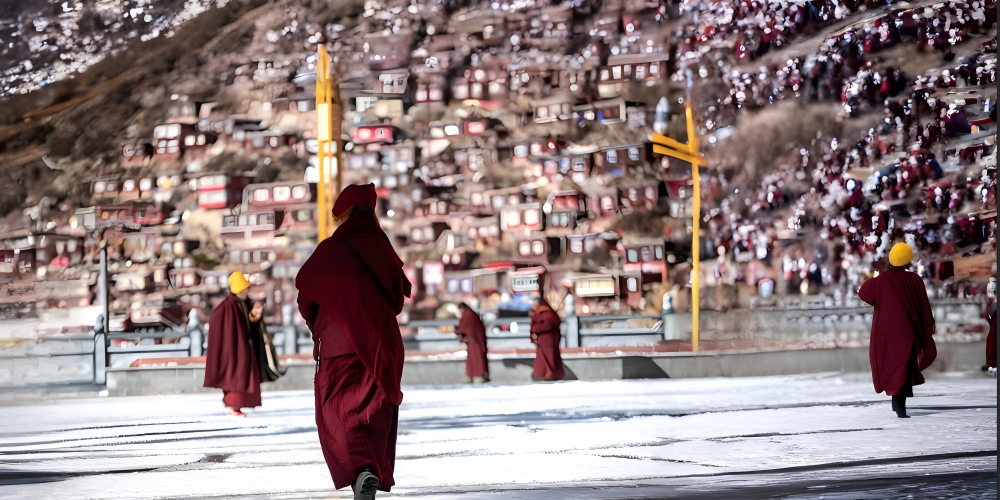
The temple complex is located about 20 kilometers southeast of Seda County, surrounded by mountains. With the Great Sutra Hall as the core, thousands of small wooden houses are densely packed on the hillside like an ant nest. The numerous crimson wooden houses are undulating and spectacular.From the hillside covered with prayer flags southwest of the pagoda, you can overlook the entire Buddhist college and take photos of the entire scene.

3–5 hours
Free

Top Highlights

Historic landmarkNight viewNo. 1 of Night Attractions in Ganzi Prefecture
View Details
Kangding Mugecuo Scenic Area
Kangding, Ganzi, Sichuan

Kangding Mugecuo Scenic Area

Mugecuo(Full name:Mugecuo, located in the middle section of the Gongga Mountains, is about 17 km from Kangding city center. It is a national AAAA-level tourist attraction, a World Natural Heritage nominee, and a key scenic area. The attraction serves as a core component of the "Two-Hour Economic Circle Around Gongga Tourism." With an elevation of 2,800–3,780 m, it lies at the northern foot of the Hengduan Mountains, part of the Daxue Mountain Range, and marks the western edge of the Sichuan Basin.Qinghai-Tibet PlateauThis transitional zone features a water area of nearly 4 km² with depths exceeding 70 meters. Most of the water comes from melted snow off the Nuwa Snow Mountain behind it, resulting in exceptional visibility of approximately 6–10 meters. The attraction showcases a stunning landscape with alpine lakes, primeval forests, hot springs, snow-capped peaks, peculiar rock formations, and the 8 km-long Thousand Waterfalls Gorge. The ingeniously designed scenic spots make it an ideal destination for sightseeing, recreation, relaxation, recuperation, fitness, summer retreats, and scientific research.The attraction is located in the sub-humid climate zone of the Qinghai-Tibet Plateau, featuring cool summers and autumns but severe cold in winter and spring. The specific climate conditions are as follows: From late December to February, the lake surface freezes, thawing in March. Temperatures remain low before April. During summer, the average monthly temperature ranges from 10–14°C. Due to the high-altitude terrain, the attraction experiences significant daily temperature variations, with warm afternoons—visitors should prepare for cold weather. Snowfall occurs after late October, offering scenic snow views, though snow accumulation is short-lived. Visitors should pack appropriate clothing according to the season and climate characteristics and be mindful of altitude sickness, carrying necessary medication if needed.The scenic area covers approximately 350 km², consisting ofRhododendron Gorge,Fangcaoping,Kangding Love Song (Mugecuo) Scenic Area - Seven-Color LakeYaochi Hot Springs, Mugecuo (Wild Man Lake), andRed Sea GrasslandSix attractions combinationNearby, there are several other alpine lakes and hot springs, where pristine forests, grasslands, and snow-capped mountain views blend seamlessly. The attraction boasts unique local customs, serving as the birthplace of love songs and the cradle of Khampa culture. It is also the starting point for Sichuan-Tibet travel.The Fangcaoping grassland spans over 60,000 square meters, divided into inner and outer sections by the central white pagoda. Every June, this lush green meadow covered with Gesang flowers served as one of the primary filming locations for both the movie "The New Love Song of Kangding" starring Alec Su and the TV series "The Warriors" produced by August First Film Studio to commemorate the 80th anniversary of the Red Army's Long March victory.The Mugecuo Scenic Area (Kangding Love Song) - Seven Color Lake is located at an altitude of 3,200 meters, forming a plateau lake where lake water blends with hot springs. The crescent-shaped lake covers approx. 20 hectares with a depth of over 20 meters, surrounded by forests and meadows in serene tranquility. Its crystal-clear waters shift through seven hues under sunlight and weather changes, hence the poetic name.Azalea Valley connects to the east and joins Wild Man Lake to the west, stretching 8 km in length. Within the valley, streams alternate between rushing rapids and gentle flows, creating a sparkling spectacle. Both banks are lush with vegetation, particularly the pristine azalea forests that stand out. The azaleas here display a stunning variety of forms and vibrant colors. The valley weaves together hot springs, lakes, meadows, peculiar peaks, and cascading waterfalls, presenting an unspoiled natural landscape. Walking through it brings a sense of tranquility and delight.Mugecuo, also known as Wild Man Lake, is one of the high-altitude lakes in northern Sichuan. With a water area of nearly 4 sq km, it reaches depths of over 70m and sits at an elevation of 3,700m. Surrounded by mountains, forests, and grasslands, it's encircled by dozens of smaller lakes like Red Sea, Black Sea, and White Sea, creating a star-like constellation. The golden beach on its left side, renowned as Lovers' Beach, is a major highlight. Its fine, soft sand naturally appears golden—a rare phenomenon for lakeside formations in the western Sichuan plateau region.The Red Sea Grassland derives its name from the alpine lake—Red Sea. Local Tibetans refer to it as "Little Haizi" to distinguish it from the sacred lake "Mugecuo," known as "Big Haizi." With lush green grass and wildflowers everywhere, travelers can personally experience the breathtaking beauty of Gesang flowers beneath the snow-capped mountains, their delicate fragrance permeating the air.

1–2 days
From USD 27.31 (market USD 28.77)

Top Highlights

Natural sceneryMountain climbingBoat tour
View Details
Jinli Street
Chengdu, Sichuan

Jinli Street

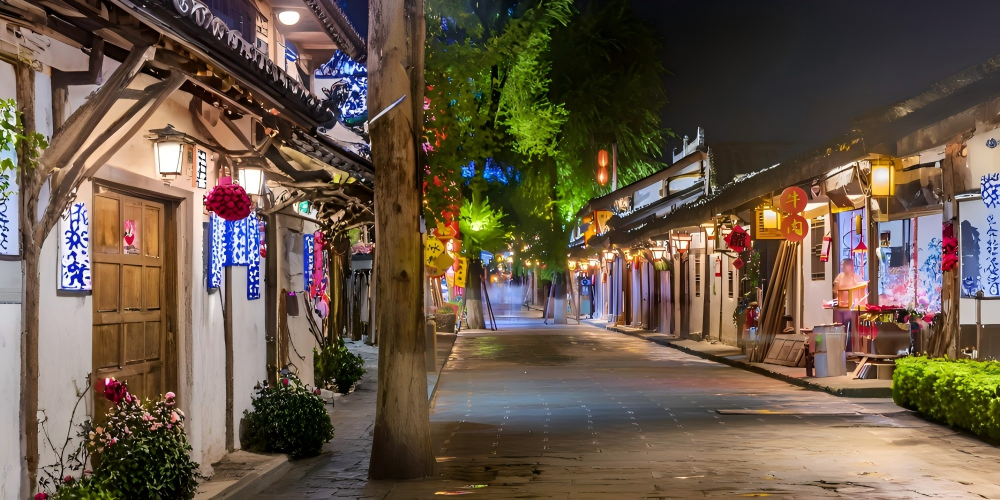
Jinli Ancient Street is a well-known pedestrian commercial street in Chengdu. It consists of large antique buildings with architectural styles of the late Qing Dynasty and numerous bars and restaurants. The famous Wuhou Temple is another well-known attraction nearby. People generally visit Wuhou Temple before coming over to Jinli Ancient Street. Both sides of the street sell small ornaments with local characteristics and many old Chengdu craftsmen can be seen busy blowing sugar paintings and dough figurines. The huge variety of food available on site can make you drool too - Zhang Fei beef, beancurd pudding, beef pancake, bobo chicken, etc. Each of them has its unique flavor so please go there with an empty stomach! The street also comes alive at night as red lanterns light up and visitors fill the bars and teahouses. You can fill your tummies with street food and head to the bars or teahouses after that for some alcohol or tea depending on your preferences.

1–3 hours
Free

Top Highlights

Night viewNo. 1 of Night Attractions in Sichuan
View Details
Ancient City of Langzhong
Langzhong, Nanchong, Sichuan

Ancient City of Langzhong

Langzhong Ancient Town is located along the bank of the Jialing River in Nanchong and is one of China’s four major ancient towns. Its more than 2000 years of history are well-preserved, and the town has an extremely unique layout. The famous general Zhang Fei of the Three Kingdoms Period once garrisoned at Langzhong for 7 years. In Langzhong, you can stroll the ancient lanes, visit the Zhang Fei Temple, look out across the whole town from Jinping Mountain, and enjoy the leisurely pace of local life. The folk customs here are rich and varied. The on-site performance of the show Langyuan Xianjing includes many folk performances and is worth watching. A lot of fun activities are available during the Spring Festival period.

1–2 days
From USD 2.22

Top Highlights

Historic landmarkBoat tourNo. 1 of Best Things to Do in Nanchong
View Details

Want to visit these attractions?

Tell us your interests and we will build the perfect itinerary around them.

Get Free Itinerary