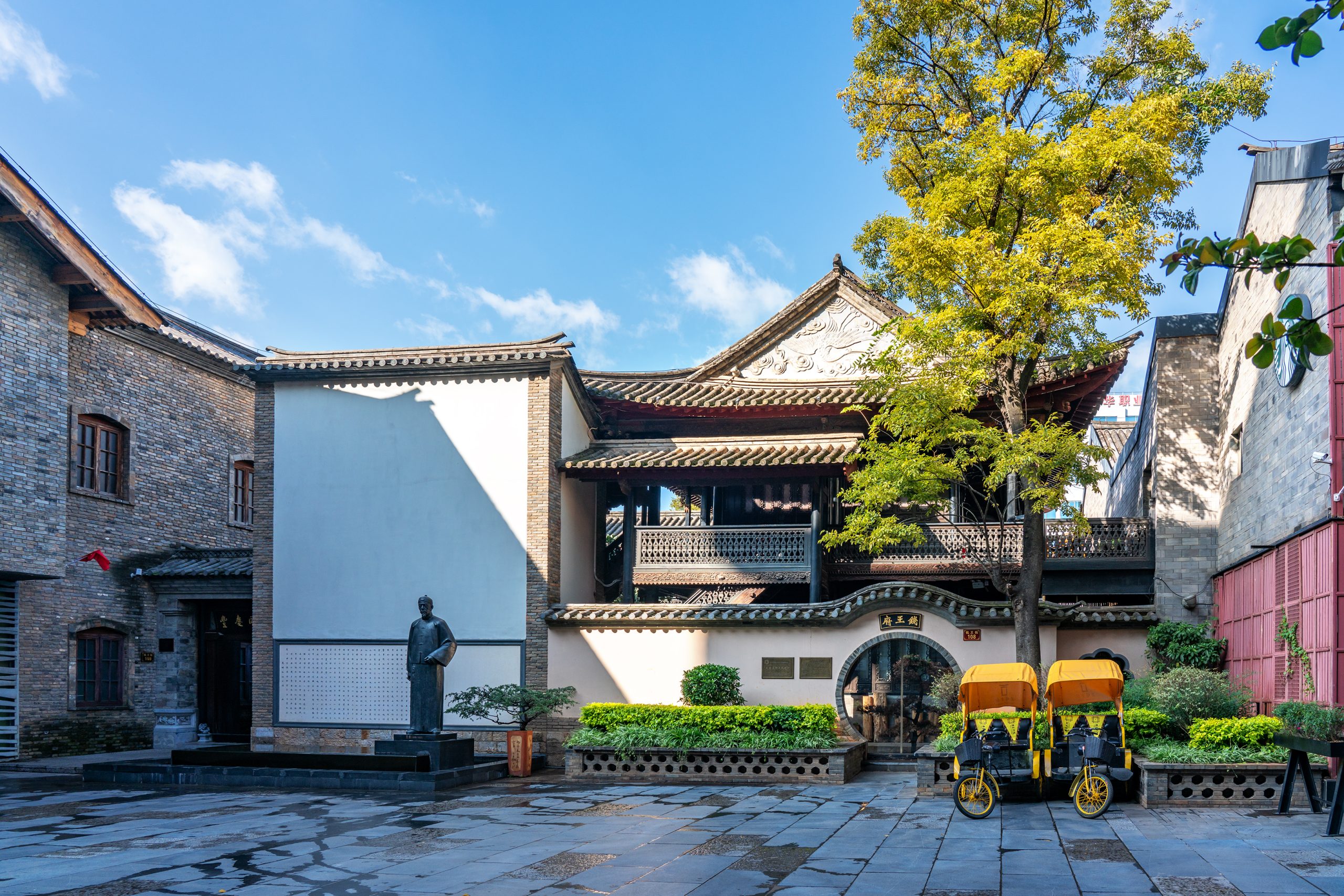
"Qianwang Street" is located between Zhengyi Road and Confucian Temple Street, with a length of about 240 meters. It extends to Jingxing Street in the south and Renmin Middle Road in the north. On the east side of Qianwang Street is the upgraded modern building "Justice Square". On the first floor, there are Chinese and Western restaurants, tea bars, book bars and other shops, the second and third floors are the clothing area, and the fourth floor is the restaurant area. From Qianwang Street, you can take the elevator directly to the dining area on the fourth floor. After going upstairs, you can get a bird's-eye view of the old Kunming historical building protection area.
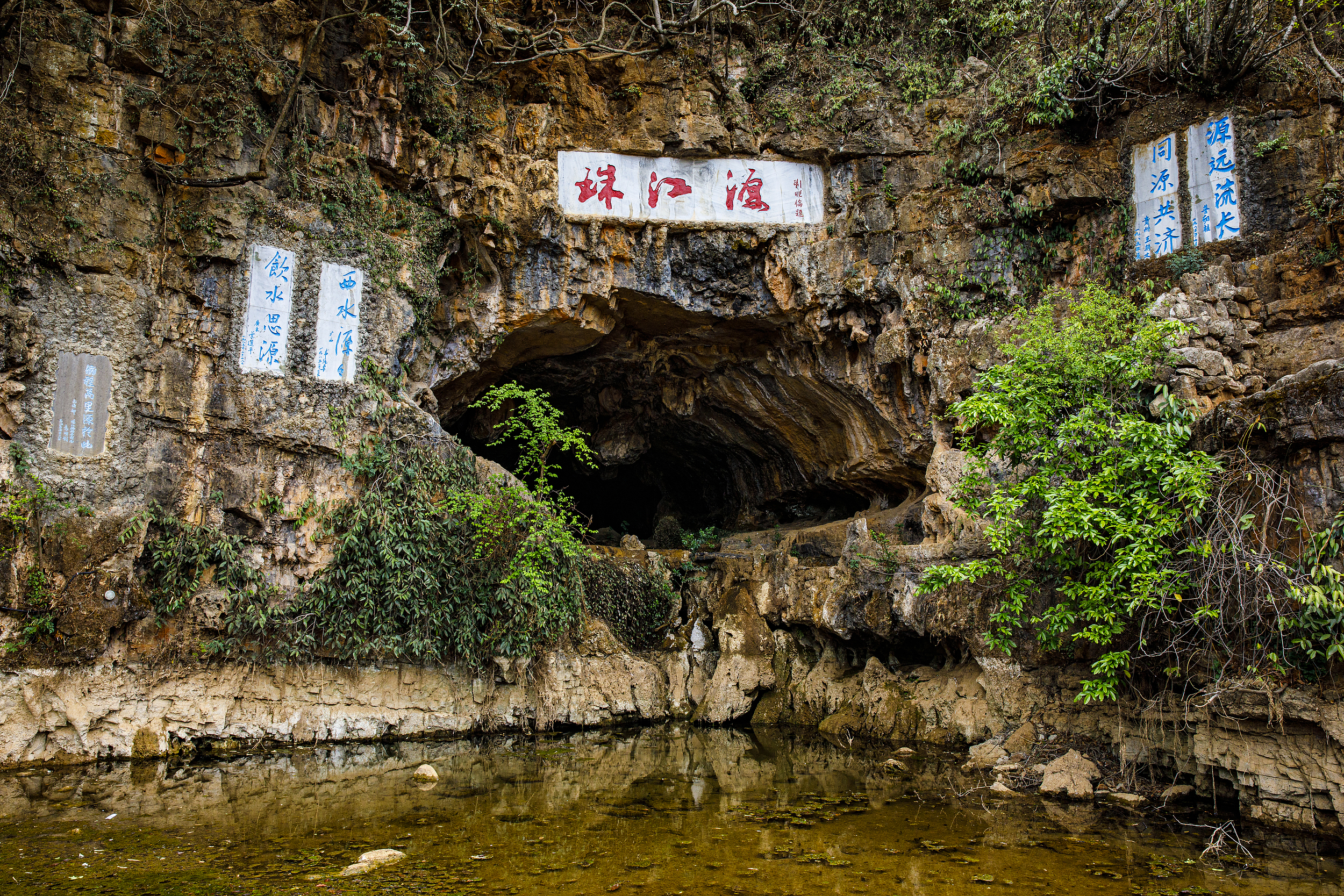
The Pearl River Source Scenic Area is about 47 kilometers (29 miles) north of Qujing City in the eastern part of Yunnan. The entire scenic spot consists of the Pearl River Source at Maxiong Mountain, Huashan Lake, and other scenic spots around the city. In the spring and summer months, Maying flowers in the mountains and plains are dazzling. Fudi Pine Zhujiang Spring Stone Archway, Xiake Cottage and Zhujiang Temple make this area of the Pearl River a beautiful and unique natural and cultural landscape.
3–5 hours
주요 포인트
Natural sceneryMountain climbingNo. 7 of Cool Water Escapes in Qujing
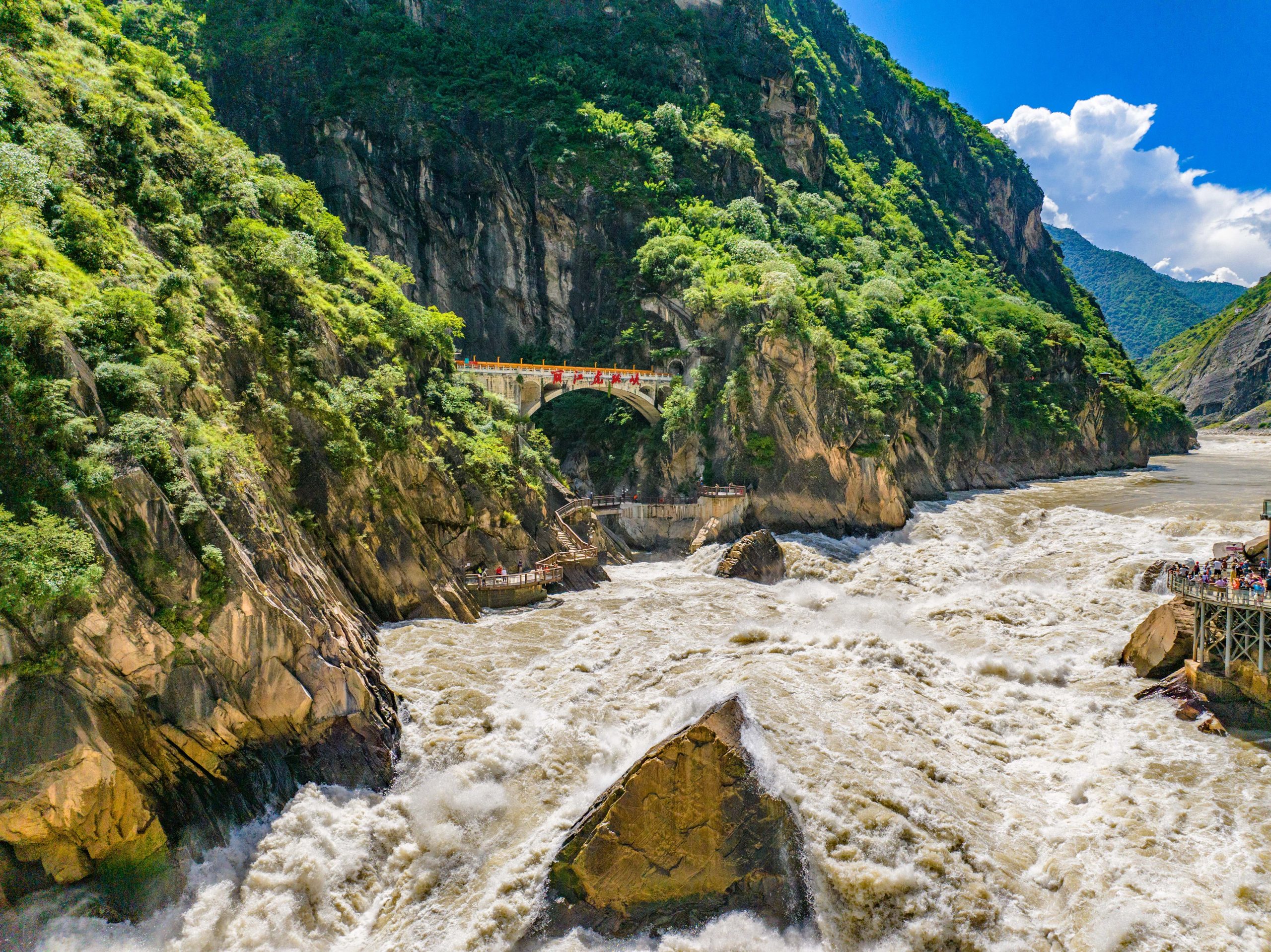
TIGER LEAPINGGORGE SCENIC AREA is located in the northeastern part of Longpan Township, Yulong Naxi Autonomous County, Lijiang City, Yunnan Province. Situated at the heart of the national key scenic area, it forms the first majestic and precipitous canyon view along the upper reaches of the Jinsha River in the Yangtze River system. Renowned for its depth, danger, wonder, uniqueness, and beauty, it ranks among the world's great canyons alongside Xizang's Yarlung Tsangpo Grand Canyon and the Grand Canyon in the United States, earning accolades as one of China's top ten canyons.The attraction is located 80 km from downtown Lijiang. The canyon stretches 17 km in length with a 25 km sightseeing route and a vertical elevation difference of over 3,900 meters. The 2.6 km sightseeing boardwalk within the TIGER LEAPINGGORGE SCENIC AREA is a major highlight. Towering on either side of the gorge are Yulong Snow Mountain and Haba Snow Mountain, with the narrowest point of the river spanning just over 30 meters. Massive boulders formed by geological movements create the spectacular "Tiger Leaping Rock," making the rushing waters even more turbulent and majestic. The scenic area enjoys a mild climate with an average annual temperature ranging from 4.7°C to 16.5°C. The canyon features a typical temperate to cold-temperate vertical climate zone, resulting in rich biodiversity and abundant plant and animal resources—a living classroom of nature. Visitors can explore numerous unique attractions, including the robotic tiger installation, miniature landscapes, the Free Buddha, flower waterfalls, flowing water cascades, Yubi Jinchuan stone carvings, Tiger's Mouth Boardwalk, Bamboo Forest Zen Boardwalk, Yuxin Bridge, Qingxin Bridge, Tiger Leaping Rock Viewing Platform, and tunnels. Here, visitors not only witness nature's awe-inspiring craftsmanship up close but also enjoy immersive cultural experiences. With well-developed facilities and thoughtful services, the scenic area ensures every visitor can safely and comfortably appreciate the grandeur of this magnificent canyon.
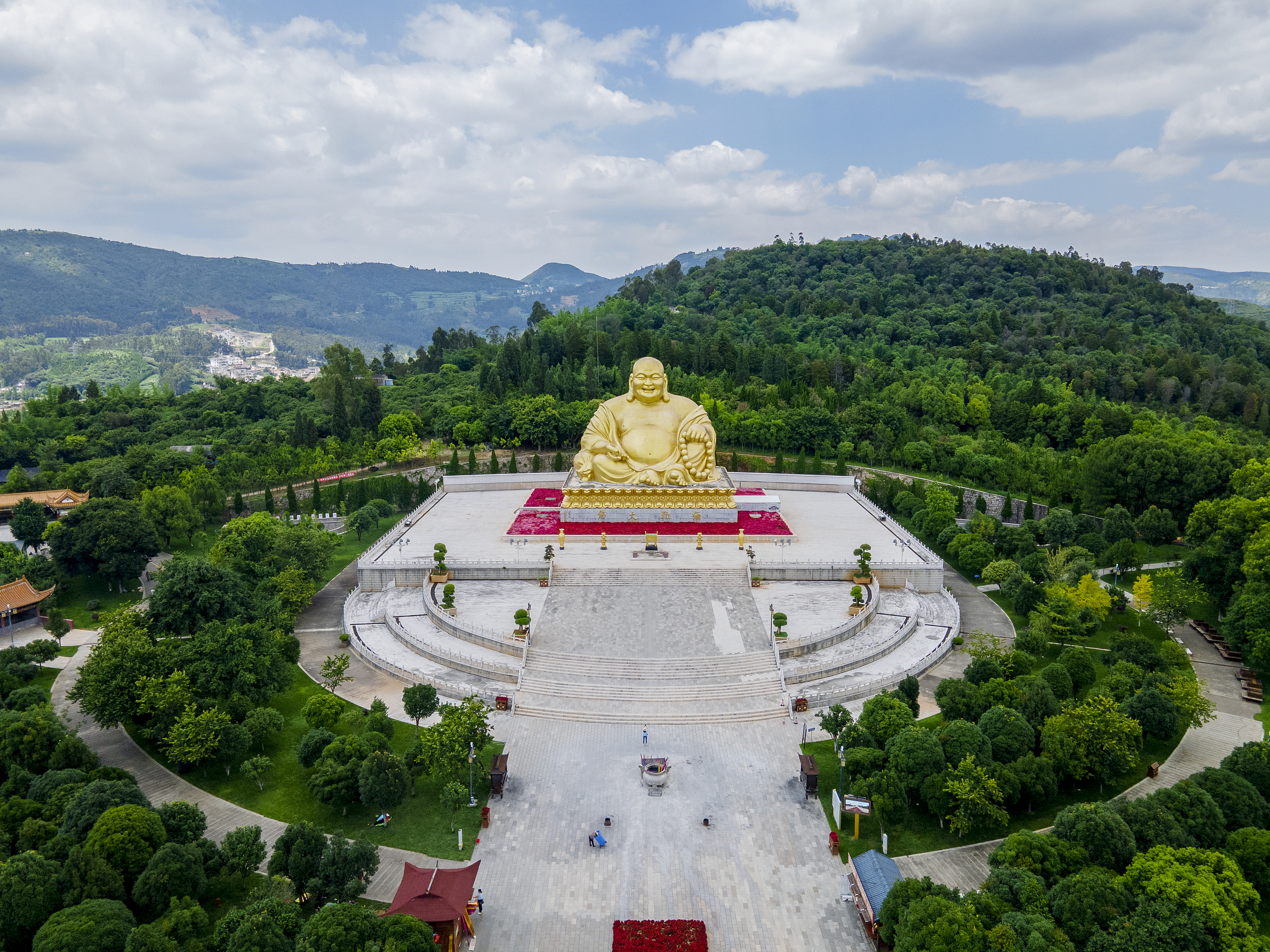
Located in the city of Mile in the Honghe Hani and Yi Autonomous Prefecture of Yunnan Province, the Maitreya Buddha is a breathtaking Buddhist sculpture that attracts countless tourists. Built in 1999, the Buddha is famous for its grandeur and exquisite craftsmanship. The Buddha is made of imported titanium and shines with golden light, symbolizing light and peace. The Buddha is 19.99 meters high and 14 meters wide. It sits in the Maitreya Temple with a kind face and a peaceful demeanor, as if conveying tranquility and solemnity to the world. The carving technique of the Maitreya Buddha is unique, with lifelike facial expressions and natural and smooth body postures, as if giving life to the Buddha. The Buddha's clothes are delicate and smooth, and his headdress is exquisite and gorgeous. Every detail shows the sculptor's superb skills and deep understanding of Buddhist culture. Standing in front of the Buddha, visitors can not only feel its majesty and solemnity, but also experience a kind of tranquility and peace of mind.
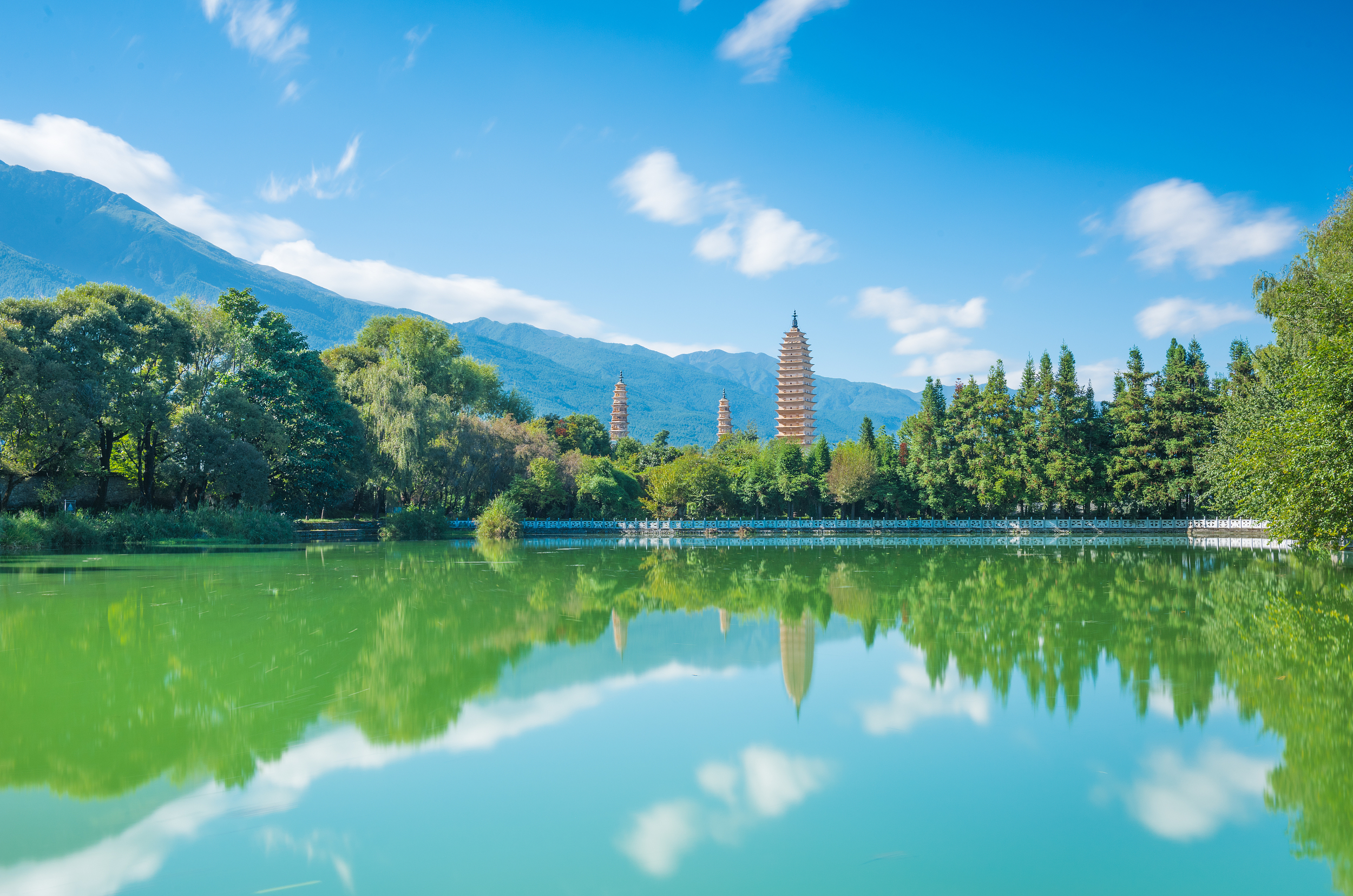
Three Pagodas Reflection Park is located on the south side of the Three Pagodas Scenic Area of Chongsheng Temple. Many tourists who come to Three Pagodas Reflection Park will come here to shoot classic reflections. There are two locations where the three towers are reflected, and the other is located in the Juying Pool within the Three Pagodas Scenic Area. The Three Pagodas Reflection Park is relatively open, and the composition angle is also good. The classic three-tower picture is basically taken here.
Nizhu River Grand Canyon is situated near Pu Li Town in Xuanwei City, Yunnan Province. (the Nizhu River is called the Kedu (available for crossing) River towards the upper reaches of the river and is also known as the Nizhu (泥猪) River) It is a tributary on the Beipan River and is the home of a beautiful and magical Grand Canyon in Xuanwei, up to the Mutong River Bridge, down to the Lalongcha river. The unique landscape of the Nizhu River Grand Canyon includes: a golden eagle, double waterfalls, and the Millennium Buddha from which a profound ape sound can be heard from both sides.
3–5 hours
주요 포인트
Natural sceneryNo. 3 of Best Things to Do in Qujing
The Moli Tropical Rainforest Scenic Area is located in northeastern Ruili City. In the local Dai language, "Moli" means “beautiful waterfall.” The Moli Rainforest is famous for its rich natural landscape and being a Buddhist holy place. Near the hot spring pool, there is a gold-colored Dai-style pagoda, or stupa, that houses a meteorite. There is a giant "footprint" embedded at an incline in the ground at the rock wall, with the toes of the foot clearly visible. In Southeast Asian Buddhism, this is a very famous footprint of the Buddha. Not far from the towering pagoda stands the Big Buddha Temple. At each and every Buddhist festival, there is a constant flow of pilgrims coming here to pray for blessings.
1–3 hours
From USD 5.17
주요 포인트
Natural sceneryNo. 19 of Family-friendly Attractions in Yunnan
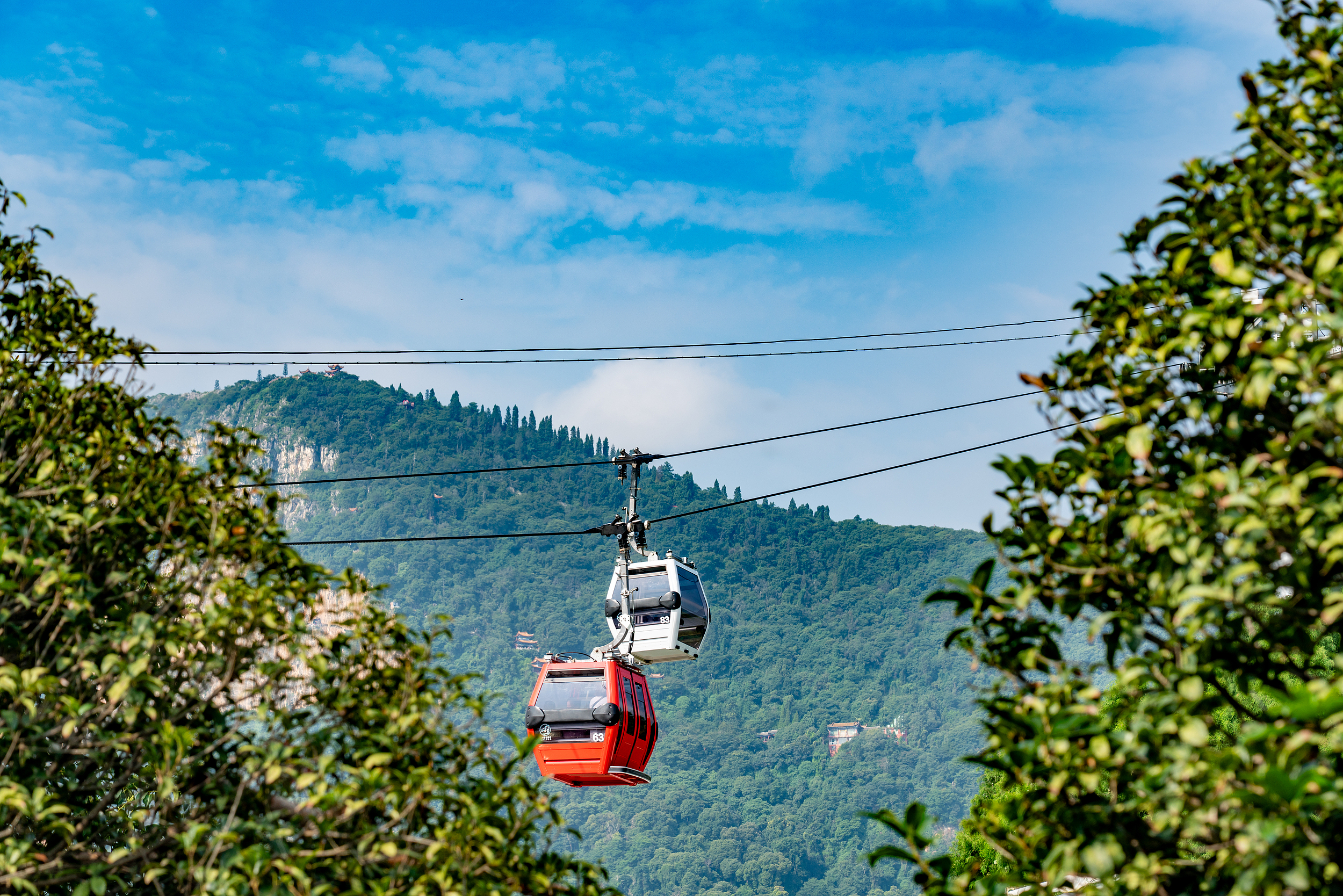
The Kunming Tourist Cableway (formerly the Dianchi Xishan Cableway) uses the world's most advanced cableway equipment produced in France and Italy. Half of its length spans over the surface of Dianchi Lake, making it a rare cableway that crosses both water and mountains. Riding the cableway is one of the most popular tourist attractions in Kunming.You can take the cable car at No. 16 Hubin Road (near the Dragon King Temple). Going up, it is like walking into a wonderful viewing corridor, where you can take in the scenery of Dianchi Lake and take photos of Dianchi Lake from a wide angle. Dianchi Lake is at your feet, and the majestic Xishan Mountain is above your head. The cable car also allows tourists to visit Dianchi Lake and Xishan Scenic Area conveniently.
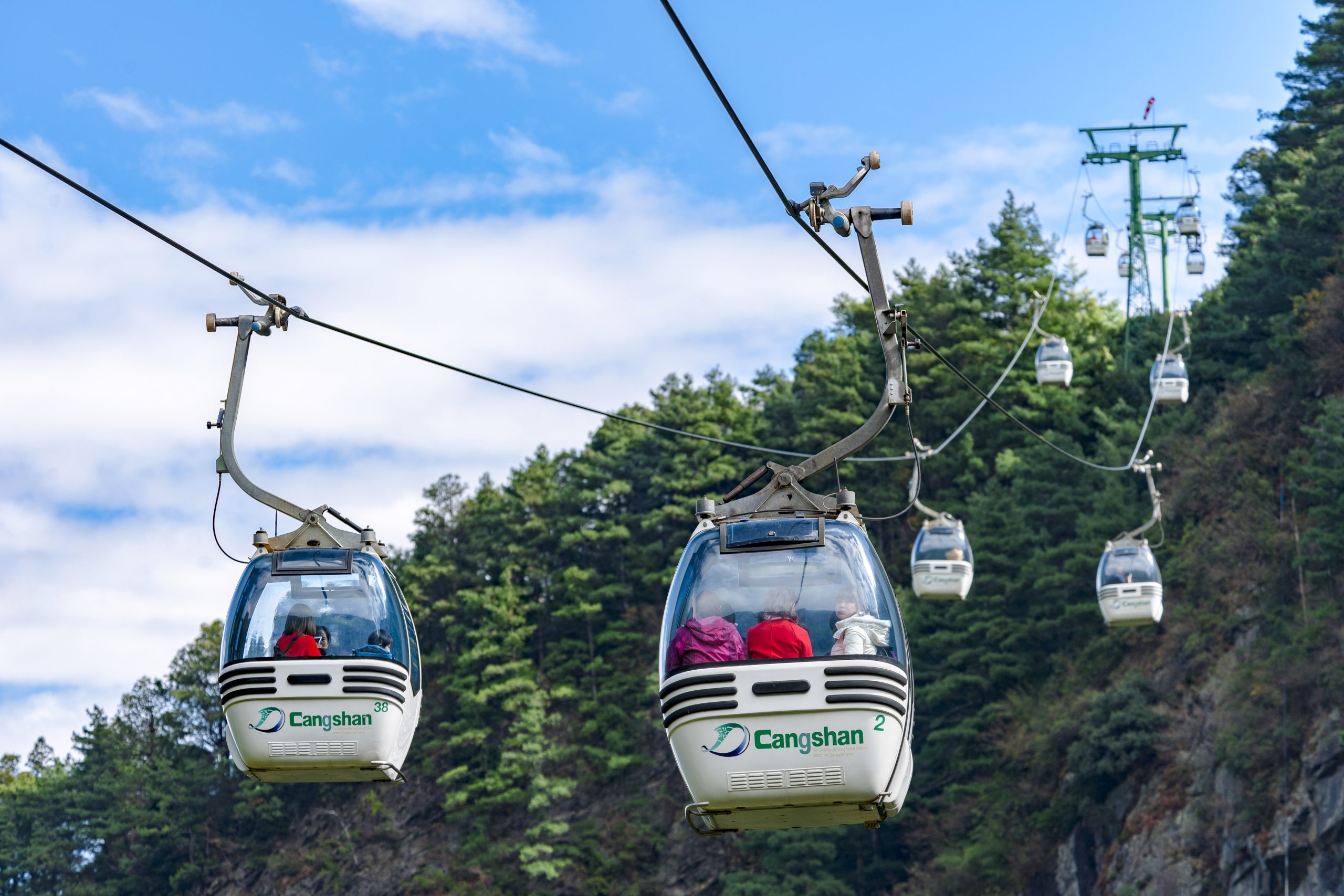
The Gantong Ropeway is a single-line 6-people cable car track. It is backed by Cangshan Mountain and is next to the Gantong Temple. The cable car is fully equipped to provide visitors with a safe, comfortable and convenient ride. Take the cable car ropeway to see the Cangshan Mountain and surrounding attractions such as Qingbi Stream and Qilongnv Pool. Sitting in the cable car is like riding a cloud tour in a fairyland, with a magnificent view.
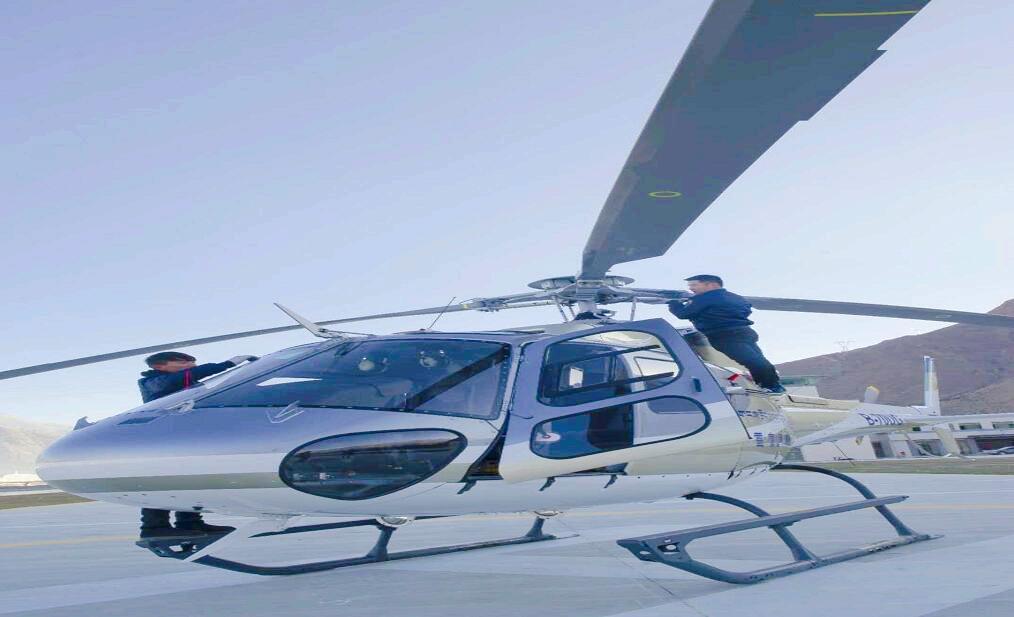
The Lhasa aerial sightseeing route, crossing the Yingqin Bridge and going up the river, is less than 1 km away. At the foot of the Xizang Cultural and Creative Park, you can see a newly built building complex. The Lhasa aerial sightseeing route starts from here. The flight time is 12-15 minutes. Take off from the airport, and overlook the mysterious Potala Palace, the Golden Summit of the Jokhang Temple, the Princess Wencheng Live Theater, and the Lhasa River Scenic Belt and other major landscapes in Lhasa from the air, starting a gorgeous journey to the holy city. Headphones must be worn throughout the flight. As the captain skillfully operates the buttons, the conversation between the captain and the ground can be heard from time to time in the headphones. The helicopter takes off from the ground. The whole process is very stable without any bumps. The viewing cockpit with an excellent view is spacious and comfortable, and the beautiful Lhasa can be seen at a glance.
There are three in Lhasa, namely "Duosenge", "Xuchilinka" and "Manzhen". "Dosenge", which means stone lion, is named after a pair of stone lions in front of the yamen. In the southwest of the Jokhang Temple, it is now the Second Guest House of the Tibet Military Region. "Xu Chi Linka", which means throne, is said to have been the throne of the seventh Kelsang Gyatso, hence the name, around the present Cultural Palace. "Manzhen", the name of a noble family's house, is behind the present-day Tibet Repertory Theatre. After the establishment of the Qing Dynasty, it followed the system of the Ming Dynasty to manage Tibet. In the fifth year of Yongzheng (1727), a rebellion broke out in Tibet, and the Tibetan king Kangji Nai was killed. In order to stabilize the situation in Tibet, the Qing government set up a minister in Tibet from the sixth year of Yongzheng.
The natural landscape of Benri Sacred Mountain is magnificent, with dense forests and flowers blooming all year round. In spring and summer, there is a cool breeze and misty rain; in autumn, the mountains are red and wild fruits are fragrant; in winter, the peaks are covered with snow. There are many scenic spots and historical sites in the Attraction, such as the Tomb of Zhigong Zamp of the Tubo Dynasty, Benri Sacred Mountain, and Demu Temple. The tourist season is spring and autumn, when the climate is pleasant and the scenery is beautiful.
The scale of Mount Dora is not very large, and it is traditionally divided into an outer ring, a middle ring and an inner ring. It takes about 4 hours to walk around the middle circle on foot. Along the way, you can see the sky burial platform and various stone carving arts. Climbing to the main peak, you can get a bird's-eye view of the entire Dora Mountain. It takes no more than 2 hours to make a circle from the inner circle. This is the core part of Mount Dora, and it is also the main visiting point. On the way, you can worship and appreciate various Buddha statues, pagodas, six-character mantras and Tibetan Prayer. The mystery of Mount Dora lies in the fact that the limestone all over the mountain is full of Buddha statues and six-character mantras. Due to the age, coupled with years of wind and rain, the weathering phenomenon is extremely serious, so it has long lost its artificially carved imprints, which makes many people believe that these Buddha statues and six-character mantras are formed naturally.
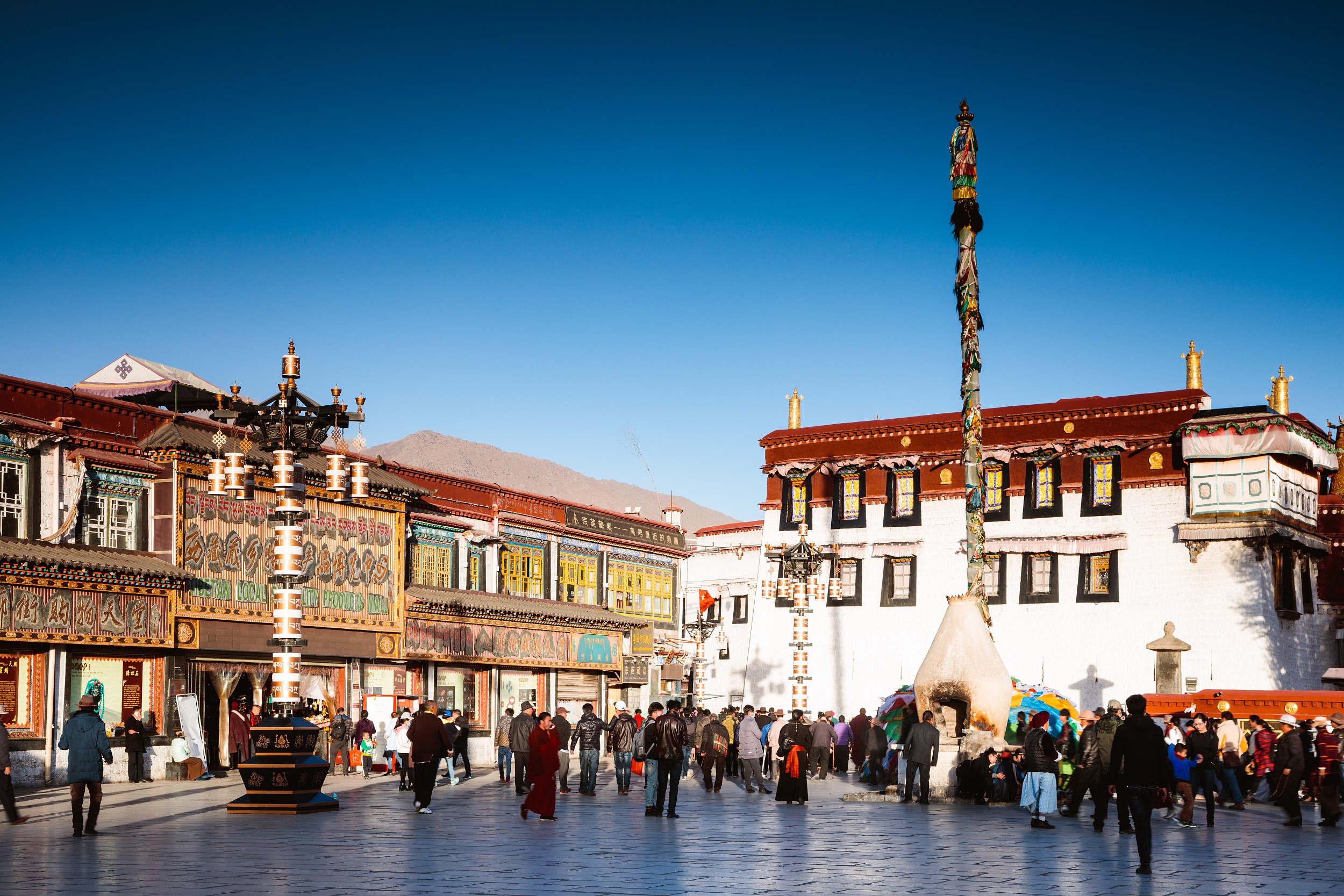
Jokhang Square is located in front of Jokhang Temple. There are all kinds of shops around the square, as well as some stalls selling special products and many food shops. The strong aroma of sweet tea wafts from time to time, and the square looks very lively during the day. There are not only tourists from all over the country in the square, but also more Tibetans, who hold prayer wheels in their hands and turn the prayer wheel clockwise around Jokhang Temple. Jokhang Square is a good place to experience the local Tibetans turning the prayer wheel. Every day, many believers kowtow in front of Jokhang Temple. The ultraviolet rays on the plateau here are particularly strong. If you are exposed to the sun, remember to take sun protection measures.
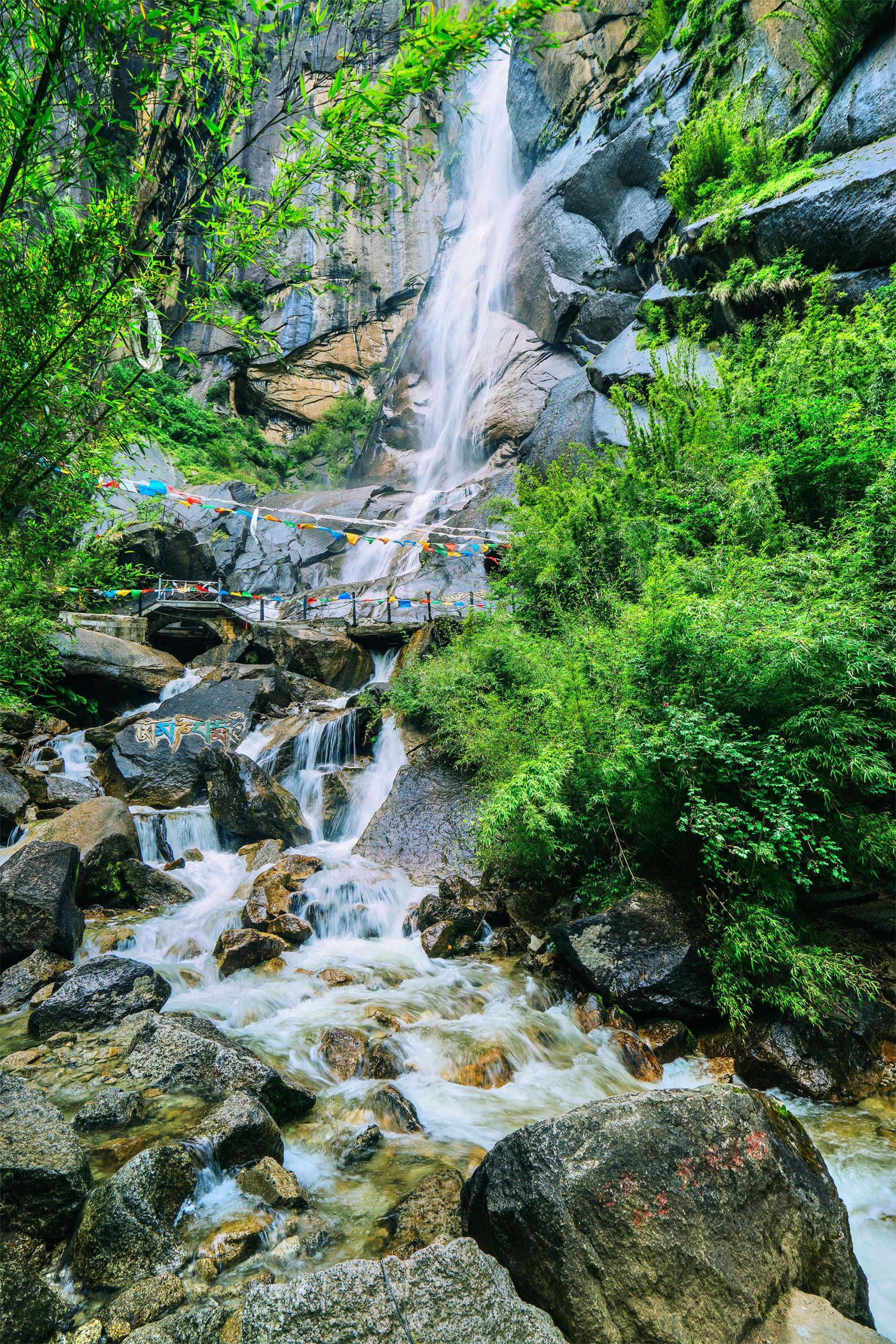
Kading Tianfo Waterfall is located in Kadinggou Scenic Area, 24 kilometers away from Bayi Town on National Highway 318. A waterfall with a drop of nearly 200 meters rushes down. On the rock wall behind the waterfall, there is a naturally formed Buddha with a kind face, which appears and disappears in the waterfall from time to time, hence the name of Tianfo Waterfall. Along the steps laid in the Kadinggou Scenic Area, walk up to the viewing platform, and the silver chain-like water flows on the cliff, which is very spectacular. When the water level of the waterfall is small, it is like a silver chain floating down, and when the water level is large, it is majestic and thrilling. There is a naturally formed Buddha statue on the rock wall behind the waterfall. It is said that this is the patron saint of Tibetan compatriots in Linzhi area. The face is clear, as if it was artificially carved. There are male and female guardians on both sides of the Buddha statue, and they are also solemn and lifelike. The female guardian Bandan Lhamo on the right is about 100 meters tall. It can be vaguely seen that she is wearing a veil, a ribbon around her waist, and holding Buddhist beads. Her image is lifelike; on the left is Jigong worshiping Buddha, and the image is equally lifelike.
There are four scenic spots in Dagu Scenic Area, namely: Dagu Stream Scenic Area, Baigou Scenic Area, Jiexu Scenic Area, and Gadui Snow Chasing Scenic Area. Among them, Jiexu Scenic Area is under construction. Dagu Scenic Area is located at the junction of Sangri County and Gacha County, with an average altitude of 3,200 meters. It is a must-go place for the East Ring Line of Tibet Tourism. Here, the mountains on both sides of the Yarlung Zangbo River are steep and precipitous, the river surface is narrow, the water is turbulent, and it is roaring. It can be called the first canyon of the Yarlung Zangbo River. The valley on the north side of the canyon has a humid climate, dense vegetation, and clear mountain streams. There are protected animals such as brown bears, Tibetan macaques, snow chickens, and snow leopards. It is also rich in a wide variety of rare medicinal materials such as Cordyceps, Fritillaria, Snow Lotus, Rhodiola Rosea, and other rare medicinal materials. What is novel is that it also grows red peonies, various types of azaleas, gentians, nodding chrysanthemums, primroses and other flowers with high ornamental value. The folk customs of Dagu are a unique and beautiful landscape. Dagu Village is located at the big bend of the Yarlung Zangbo River. Dagu is rich in Dagu stone pots and the special food Dagu stone pot fish. There are naturally formed strange stone landscapes such as the alms bowl of Guru Padmasambhava and the Thousand Buddha Cliff.
Thousand Buddha Cliff is a famous landscape on Yaowang Mountain. The cliff walls are engraved with thousands of colorful Buddha statues of different sizes. There are many mani piles around the cliff, which are all left by pilgrims.
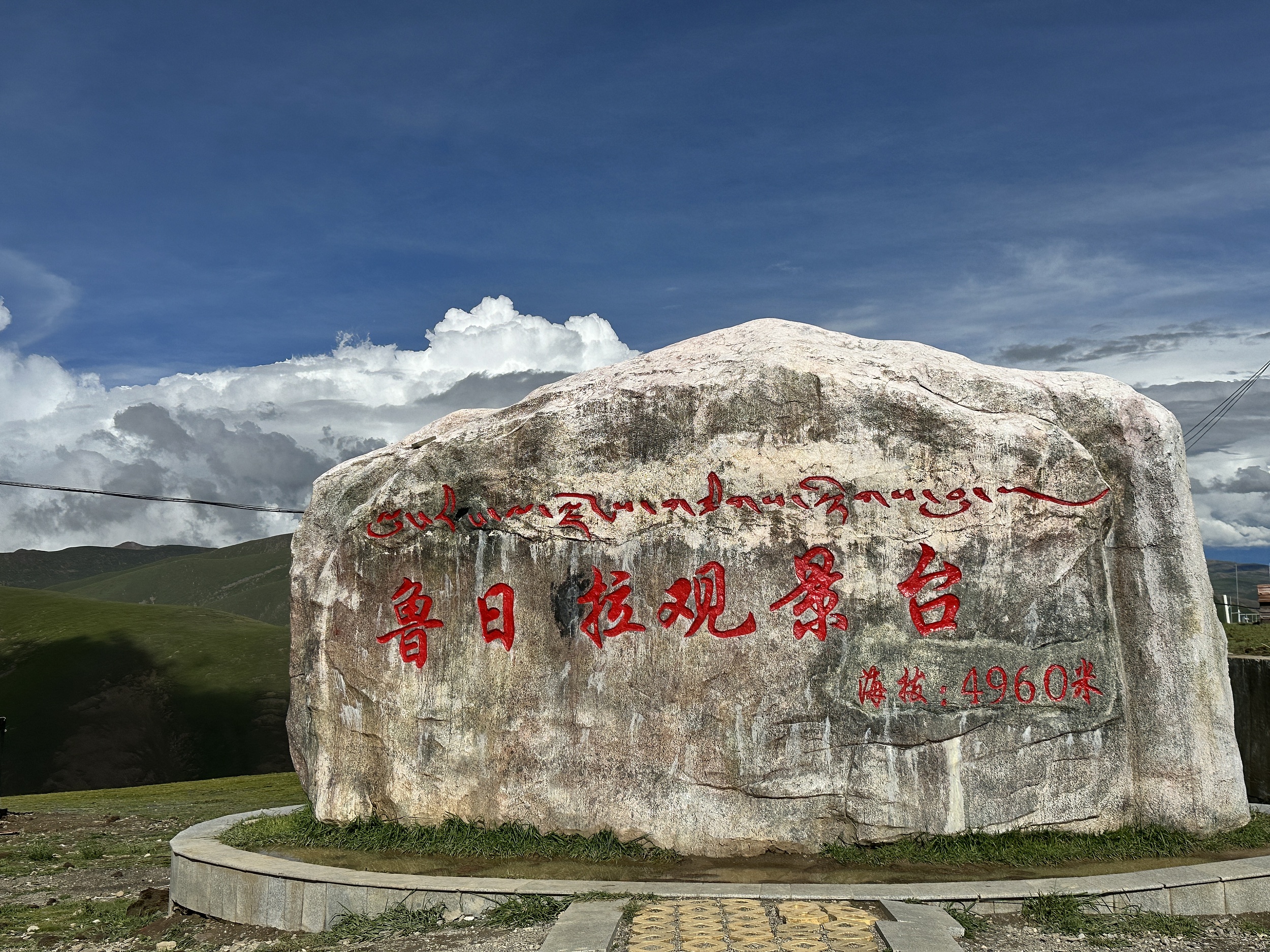
Located on a high mountain northwest of Zhayu Village, Langkazi County, Shannan City, Tibet Autonomous Region, the Lujila Observation Deck is an ideal location for a panoramic view of Yamdrok Lake. Known as the "next Gangbala Observation Deck," it is popular among tourists for its magnificent natural scenery and unique geographical location. Standing on the observation deck, visitors can enjoy a panoramic view of the azure waters of Yanghu Lake, the surrounding snow-capped mountains, the villages at the foot of the mountains, and the Rito Monastery in the center of the lake, forming a beautiful plateau painting. Especially at sunrise or sunset, the lake surface presents different levels of blue under the sunlight, and the scenery is particularly charming. The geographical location of the Lujila Observation Deck makes it a paradise for photography enthusiasts, and many people have captured amazing natural landscapes here. Whether it is a nature lover or a cultural explorer, the Lujila Observation Deck provides an unforgettable experience for every visitor.
Qudeng Nyima means "tower and sun". According to legend, when the pagoda shipped from India passed through the mountain pass here, the sun was shining on it, so it got such a wonderful name. Qudeng Nyima Scenic Spot is located in Gangba County, Shigatse. According to Tibetan scriptures, in the middle of the eighth century, the Indian eminent monk Padmasambhava responded to the request of Tubo Zanpu Chisong Dezan to spread esoteric Buddhism in Tibet, and when he returned to India, he passed by Qudeng. Nima practiced in the caves at the foot of the Mt. Dom Yomchin and Kangchen Jiabu in Gamba County. There was a local shepherd who worshipped him as a teacher and learned esoteric teaching. Soon, the Shepherd's Tower, the Shepherd's Tower, and the Fan King's Tower were built and named "Duoji Qudeng Nyima", which means the Diamond Sun Tower. Later people used to call it Qudeng Nyima. Qudeng Nyima Lake has a very high spring mouth, reaching an altitude of 5,128 meters. These springs have been circulating in the mountain for ten years and seven months and gushed out of the ground, with rich minerals. According to Tibetan scriptures, this water can cure 424 kinds of infectious diseases and 360 kinds of acute and chronic diseases. It is the "nectar" given by Guru Rinpoche to his followers and believers to cure all diseases, so it is known as "Tibetan Shenshui". . Every spring and autumn, tens of thousands of devout men and women come here from faraway places to worship incense and worship Buddha, ask for "sacred water" and drink "nectar". Many believers take a lot of water with them to treat their illnesses when they leave, and some even give this water as precious gifts to relatives and friends.
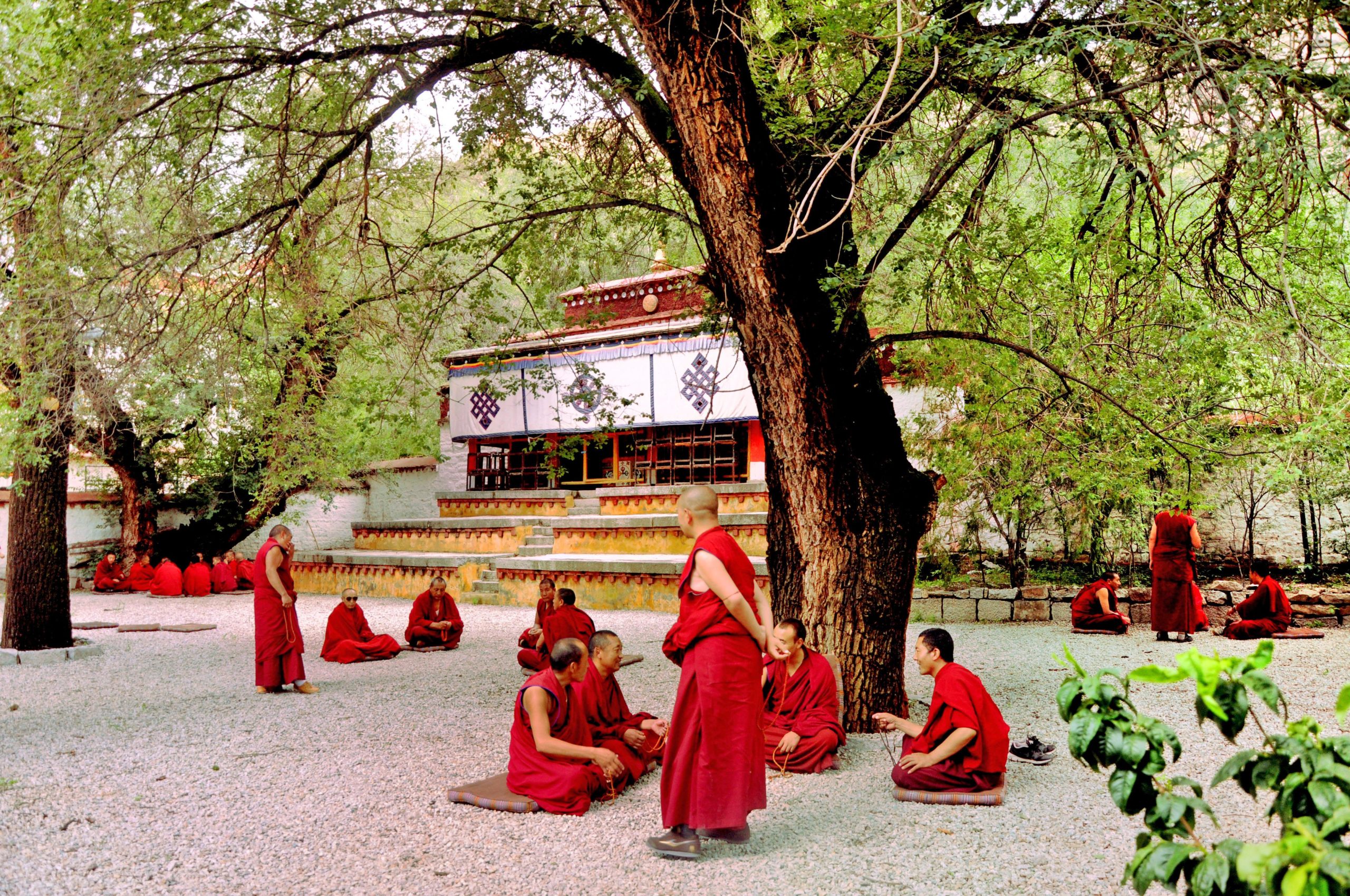
The debates at Sera Monastery have always been famous in the Tibetan area, and are also the focus of the Sera Monastery tour. The debate ceremony of Sera Monastery is held in the debate field in the north of the monastery. After entering the gate of the monastery, you can reach it by walking straight along the wide road for about a kilometer. You don't need to buy a ticket to enter the debate field. There is no need to worry about the extremely strong sun in the afternoon in Tibet, because the many towering trees in the debate field block the dazzling and hot sunlight on the plateau, making it a fresh and cool stage for religious activities. It starts at 3 pm every day and lasts until 5 pm. There are no debates on Sundays and special holidays, so please pay attention. During the debate, the monks often sit on the ground and the other stands opposite. The debates on the scriptures with exaggerated movements are very interesting. The standing monk asks questions in Tibetan, and the sitting monk answers in Tibetan. The debate topics cover all aspects of Tibetan Buddhism. Once a question is asked, the sitting monk must respond without thinking, refute or answer. As the debate deepened, distinctive scenes began to emerge. The standing participants faced each other, using a variety of gestures and rich body movements, even glaring, waving prayer beads, standing on one foot and clapping vigorously to show their power. When asking questions, they raised their arms and chopped down; or pulled the Buddhist beads to show that they would defeat the opponent with the power of faith.
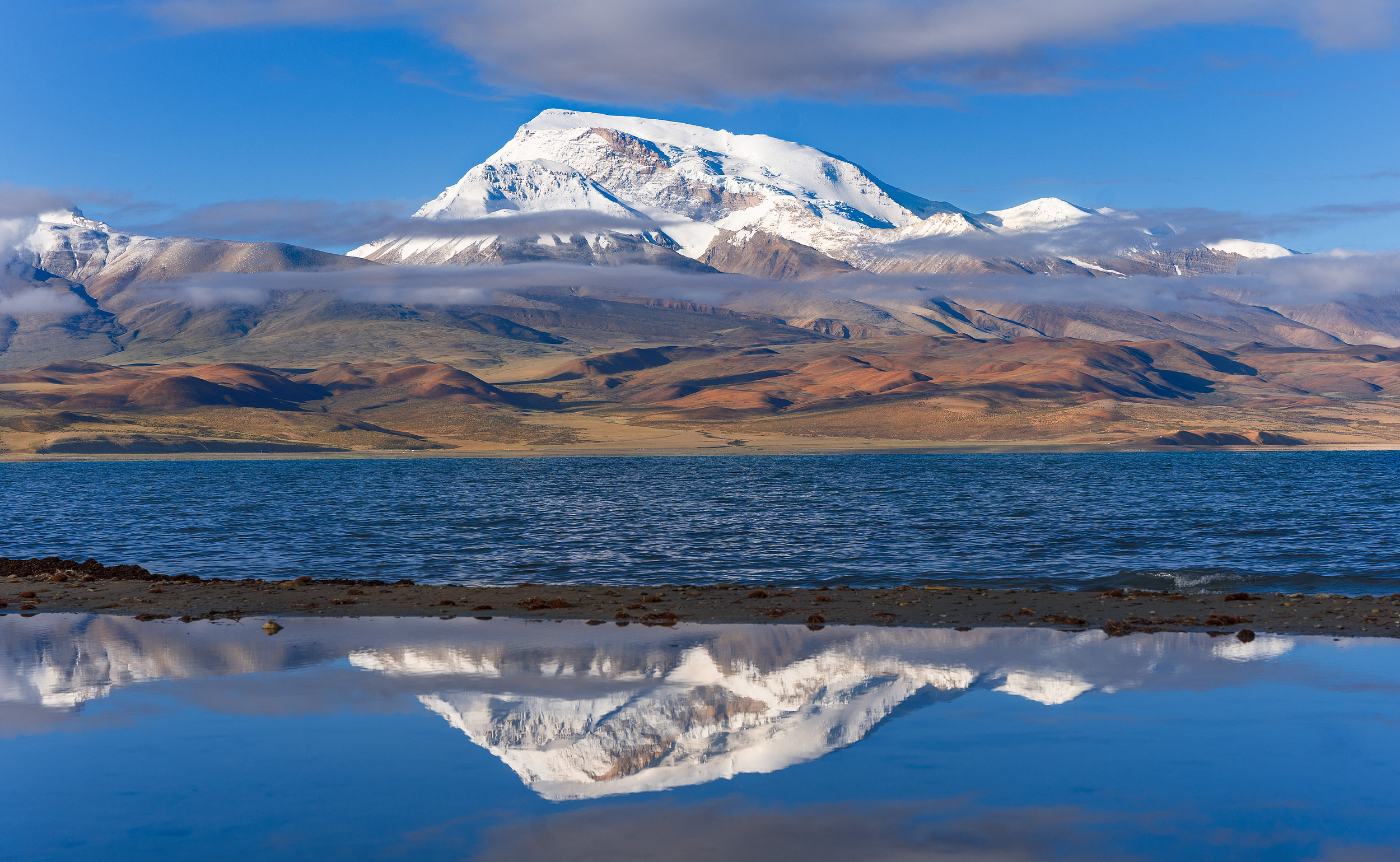
Laon Tso is juxtaposed with Manasarovar and is known as the "Ghost Lake". But its fame cannot be compared with the "holy lake" Manasarovar. The area of Laon Co is small, slightly lower than that of Manasarovar. In 1906, after measuring the water depth of Manasarovar, Swedish geographers tried to measure the depth of Laon Co, but only to measure the northern end of the lake to no avail. Its depth is still a mystery. Due to the climate change over the years, the water of Laangcuo Lake can no longer flow out and is closed into an inland lake. In the past 100 years, the amount of water supplied from Manasarovar through the Anja waterway has been intermittent, and the accumulated water area is much smaller than that of Manasarovar. The process of increasing chemical degree, but it is still a magnificent lake. There is still a river between the ghost lake and the holy lake. There is a small island in the ghost lake. It is said that there is a small temple on the island. Every winter, the lake is frozen and frozen, and the lama in the temple has contact with the outside world. Like the holy lake, the ghost lake is a paradise for birds.
1–2 hours
Free
주요 포인트
Natural sceneryNight viewNo. 17 of Cool Water Escapes in Tibet
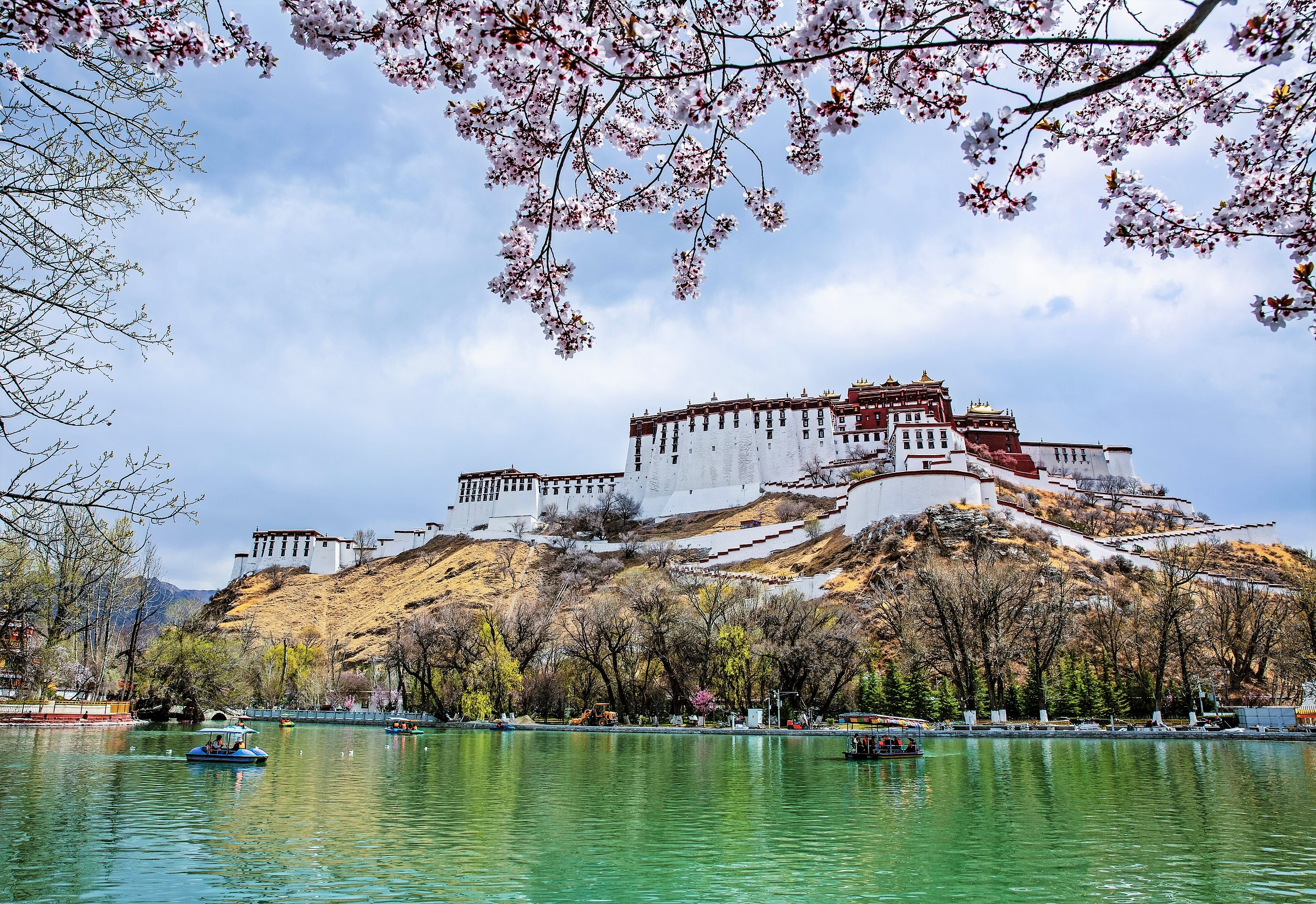
Zongjiao Lukang Park is located behind the Potala Palace Mountain, also known as "Longwangtan Park". "The Temple of Lu". Lu Shen is the collective name of Tibetan Buddhism and Bon religion for the gods living in the ground and water. "Lu Shen" is often translated as "Dragon God" in Chinese, and is then misrepresented as the Dragon King called by the locals. Therefore, the lake in Zongjiao Lukang Park is called "Dragon King Pool" in Chinese. In 2006, the park was re-planned and renovated, and the park was divided into five scenic spots, including folk activities area, natural water area, Longtan scenic area, hydrophilic activity area and cultural activity area. There are gravel roads, stone tables and chairs, lawns and fountains in the park, and trees are planted extensively to make it an urban park. At present, Zongjiao Lukang Park has become a place for local citizens to do morning exercises and leisure every day, and it is also a place for turning prayers close to the Potala Palace.
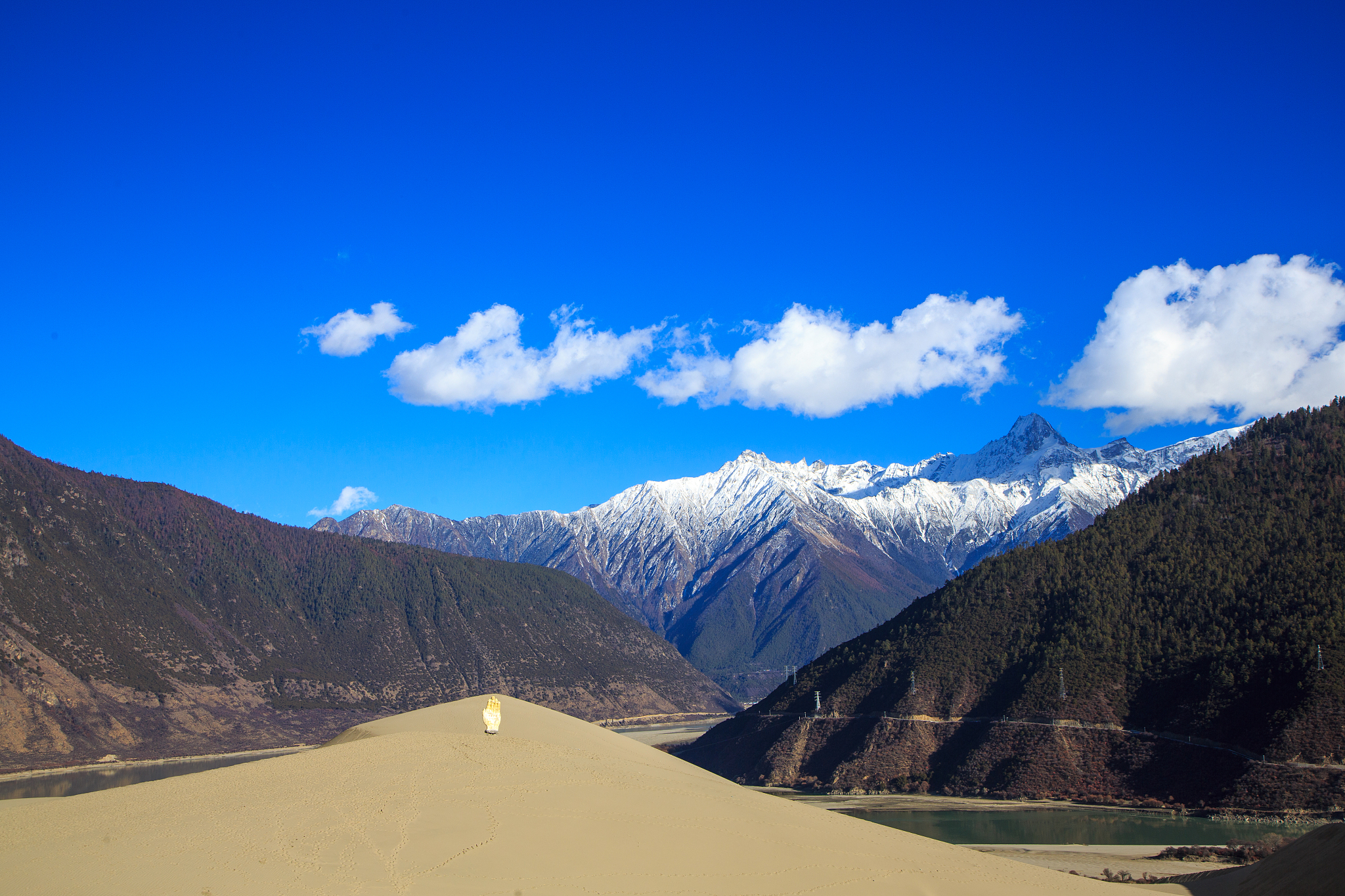
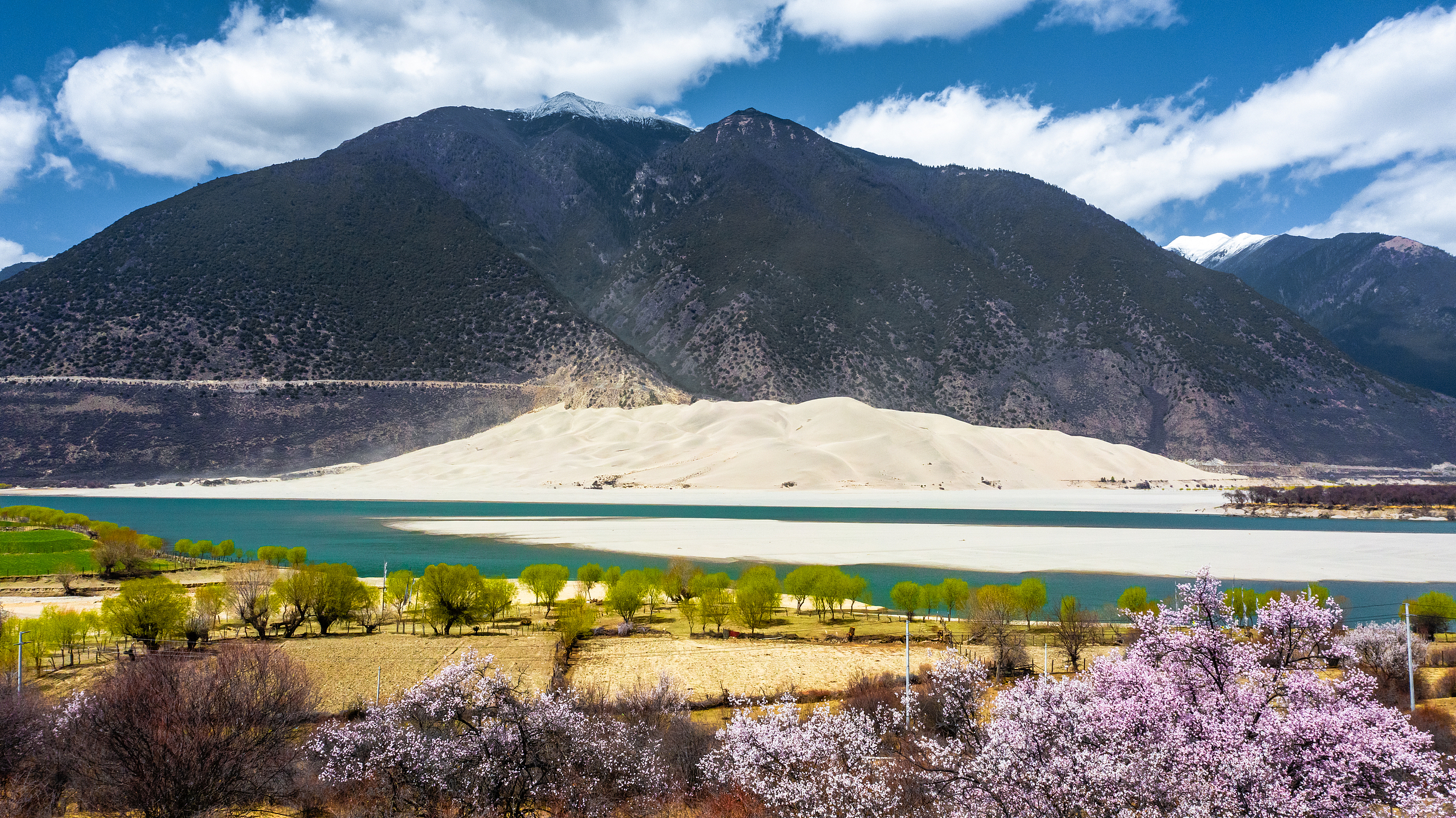
The Buddha Palm Sand Dune is located on the north bank of the Yarlung Zangbo River in Daniang Township, Milin County. And viewing the dunes is free, the viewing platform is on the side of the road, and there are public toilets, so most tourists will get out of the car to see when they pass by.
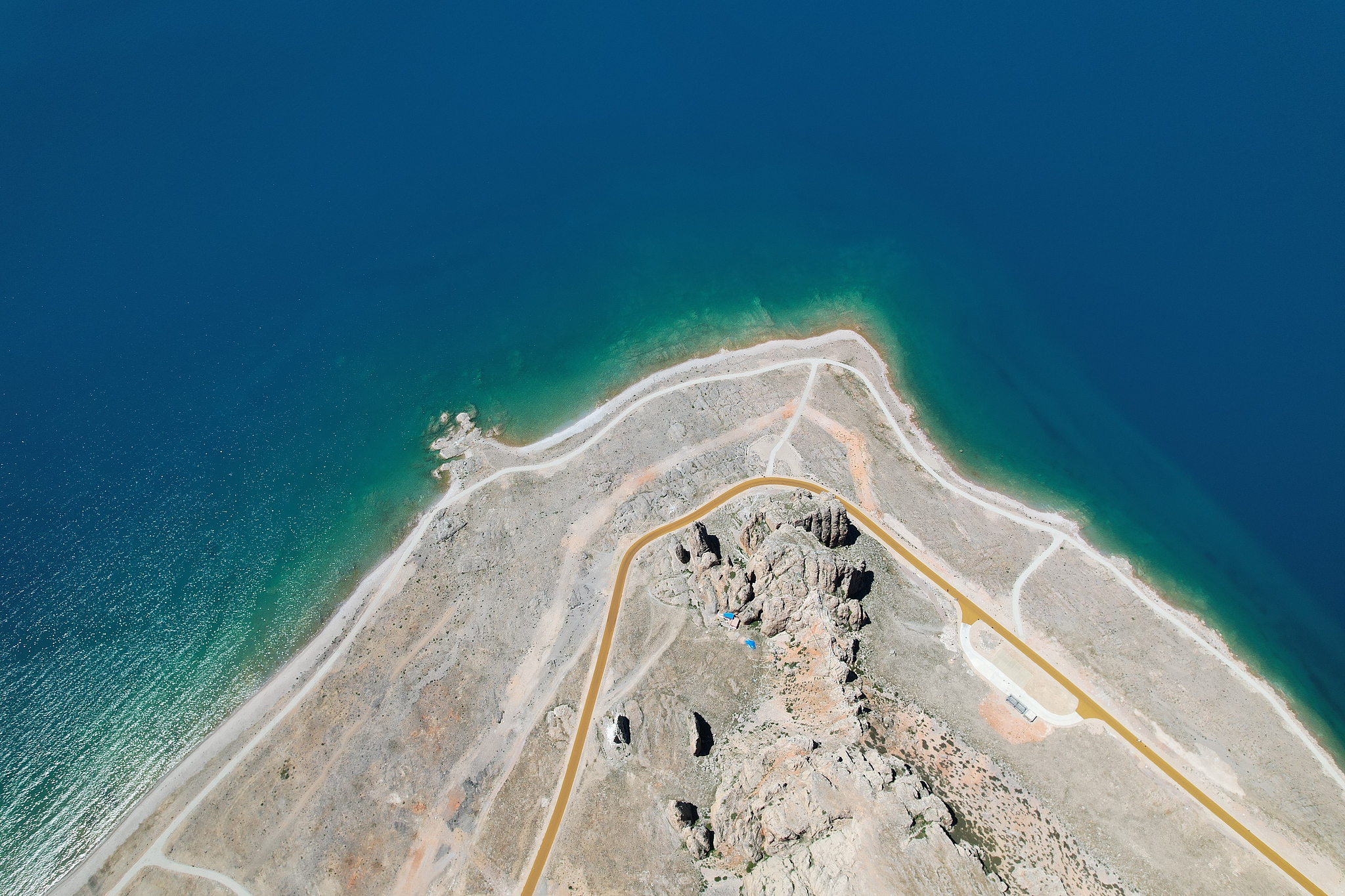
The Zhaxi Peninsula, also known as the Auspicious Love Island, is located in Dangxiong County, Xizang. It is the largest peninsula in Namtso and an important tourist attraction for visiting Namtso. The Zhaxi Peninsula is located at the southeast end of Namtso Lake and extends northward into the lake. It is a peninsula of about 10 square kilometers made of limestone. In the middle is a small hill several dozen meters high. At the north end, there are countless stone pillars and strange stone peaks. There are also natural stone bridges connecting the peaks. Because it has been eroded by the water of the lake for a long time, there are many quiet caves on the island, which are full of stalactites, forming a unique karst landform. Such a strange and colorful landform on Zhaxi Island is a wonder. Zhaxi Peninsula is the most concentrated place for religious activities in Namtso. There is Zhaxi Temple on the peninsula (Zhaxi means auspicious in Tibetan), which is still filled with incense and morning bells. There is a large cave beside the circumambulation road of the peninsula, called the Lotus Cave. It is said that there is a naturally formed Lotus Pagoda in the cave. Along the circumambulation path of the peninsula to the lake, the first thing you see is the welcoming stone on the roadside. Countless banners as long as the welcoming stone of the Zhaxi Peninsula float down from the top of the mountain, decorating the huge stone with colorful colors. The welcoming stone is two pieces of dissolved stone, also known as the husband and wife stone, and is the door god of Namtso.
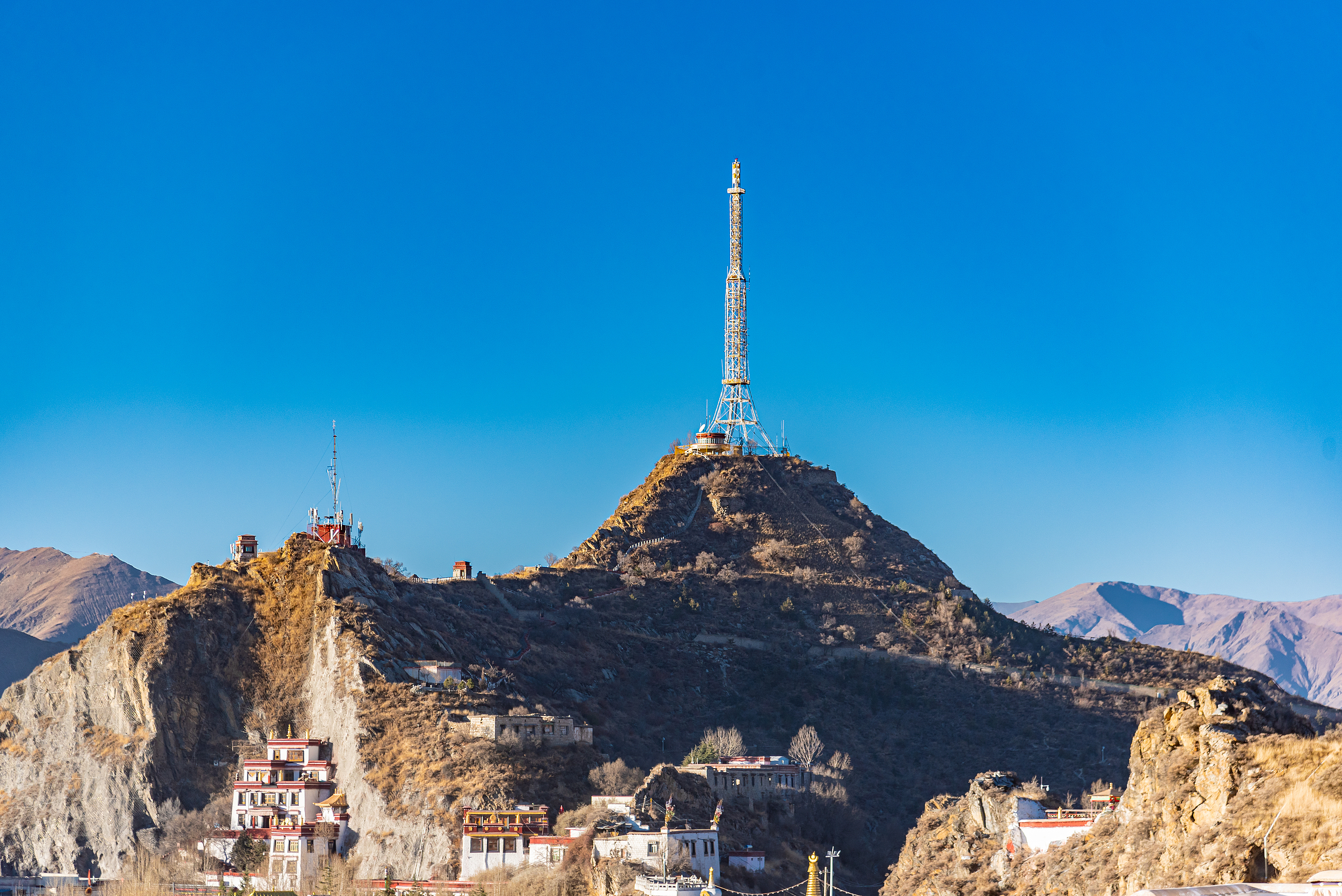
Chakpori, known as the Tibetan name for the mountain's corner, is one of the four sacred mountains of Tibet, with an altitude of 3725 meters.Chakpori is roughly S-shaped, with two peaks, east and west. On the mountain is the Chala Lupu Monastery, the residence of early Tibetan medical lamas. In the late 17th century, Desi Sangye Gyatso built the Menba Zhacang (medical college) here, making it an important center for the development of Tibetan medicine. Legend has it that this is where Princess Wencheng prayed eastward when she missed her hometown, adding to its sacred atmosphere. The Thousand Buddha Cliff on the west side is one of the oldest cliff carvings in Tibet, with over 5000 Buddha statues of various forms carved on nearly two kilometers of cliff face. Chakpori is also one of the best locations for photographing the Potala Palace; the viewing platform halfway up the mountain is the spot featured on the 50 RMB banknote. Every year, numerous pilgrims and photography enthusiasts come to experience its unique religious atmosphere and magnificent scenery.
1–3 hours
Free
주요 포인트
Mountain climbingNo. 10 of Best Things to Do in Lhasa
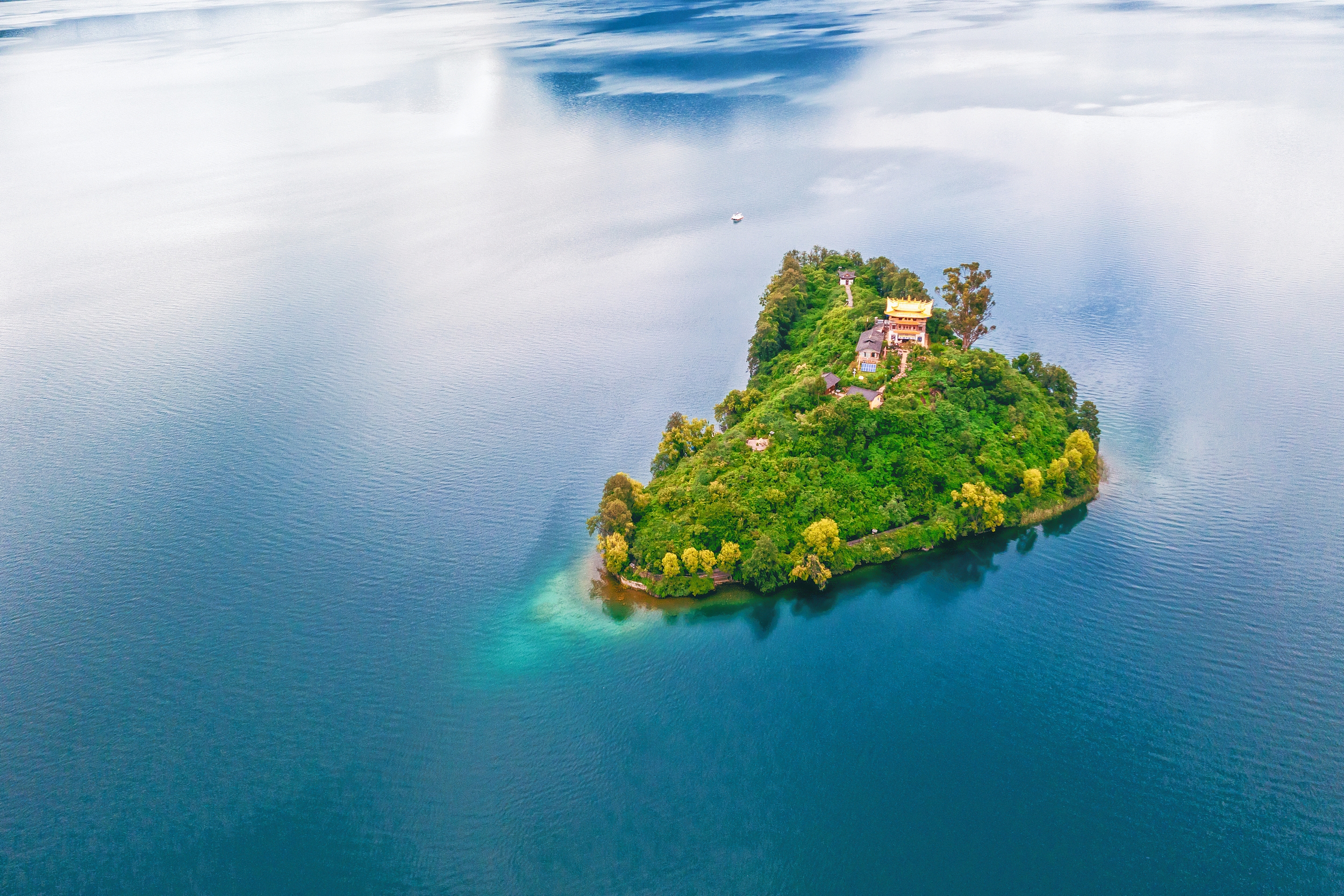
Located on the south-central side of Penghu, Liwubi Island is a famous small island in Penghu. The island is full of trees, many rhododendrons and wild cherry trees, and a Buddhist temple in the Tibetan Buddhist temple. It is a popular spot for viewing and worshipping Buddha. The tour of the island is usually from the Great Falls Pier and arrives by boat. After going up the island, you can look around the lake and have a beautiful view. The temples and white towers on the island are full of incense, and every time there are Tibetan festivals and Buddhist festivals, local people will pray for blessings.