산시
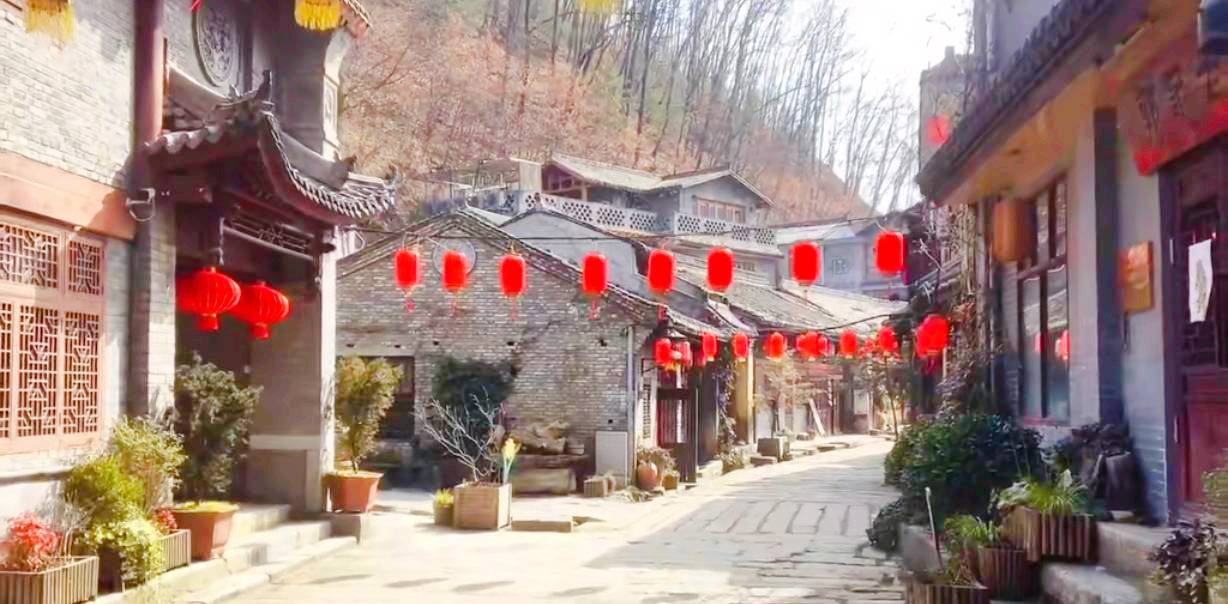
Liuba Old Street
Liuba Old Street is an ancient street full of historical charm. Many buildings from the Ming and Qing dynasties are preserved here, and each one reveals a strong ancient town style.
주요 포인트
Night view
Must-See China
WordPress 목적지 라이브러리에서 불러온 여행지를 둘러보세요.
표시 중 340 개 여행지 · 페이지 1 · 1-30
Liuba Old Street is an ancient street full of historical charm. Many buildings from the Ming and Qing dynasties are preserved here, and each one reveals a strong ancient town style.
주요 포인트
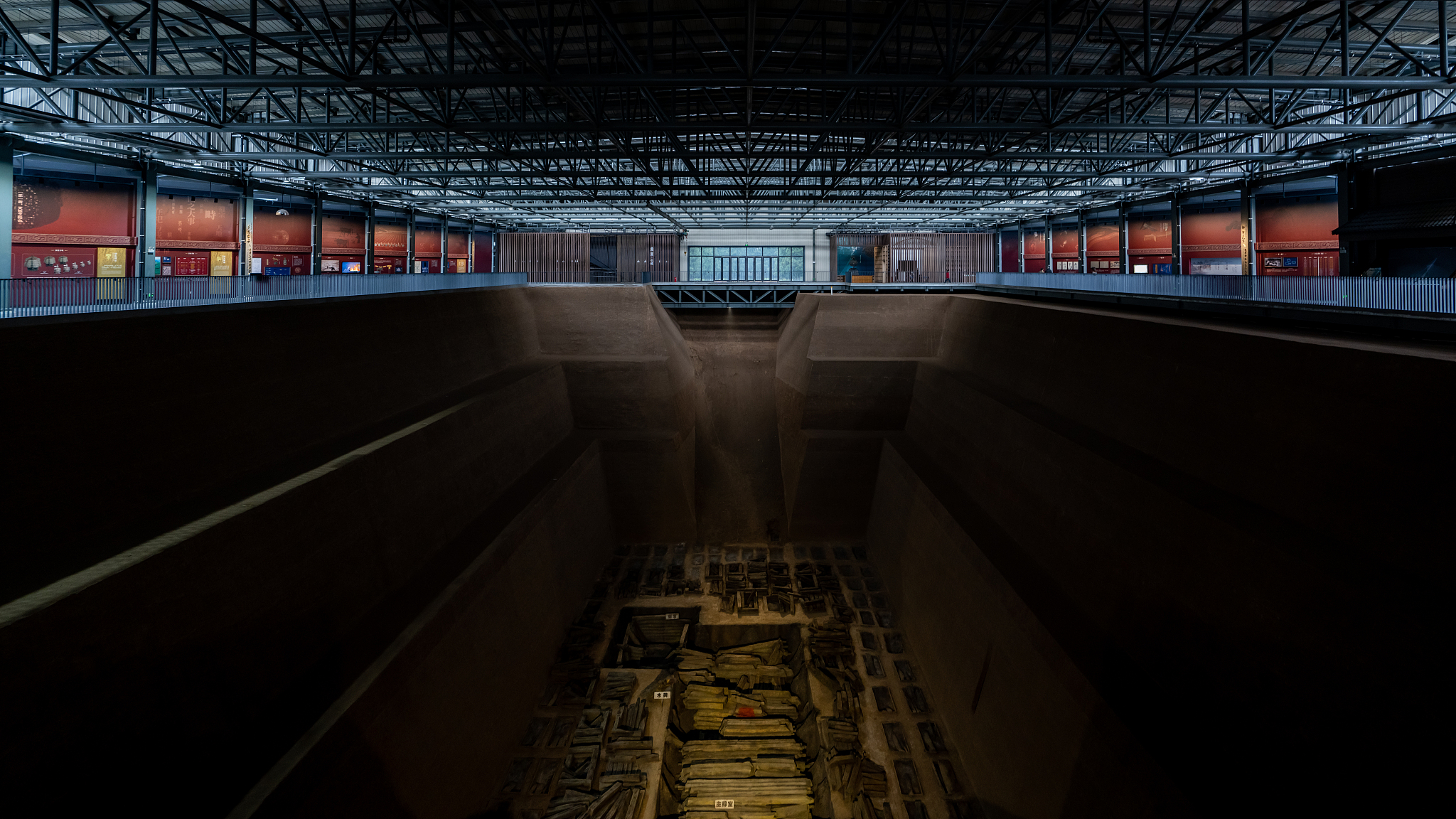
The Qin Gong No. 1 Tomb is located in Nanzhihui Village, Fengxiang District, Baoji City, Shaanxi Province. It is an ancient tomb from the pre-Qin period excavated in China. The tomb contains 186 sacrificial victims, with 166 placed around the outer coffin chamber on three tiers and 20 buried in the fill soil. It is the tomb with the most sacrificial victims discovered in China since the Western Zhou Dynasty. The cypress wood "Huangchang Ticou" outer coffin structure represents high-level burial equipment from the Zhou and Qin periods. The wooden steles outside the coffin chamber walls are physical evidence of tombstones in Chinese burial history. Particularly significant is the stone chime discovered in the tomb, which bears inscriptions - the first inscribed stone chime found in China. Most precious are the over 180 characters carved on the chime in Zhouwen script, resembling the "Stone Drum Script." Based on these inscriptions, the tomb is believed to belong to Duke Jing of Qin.
주요 포인트
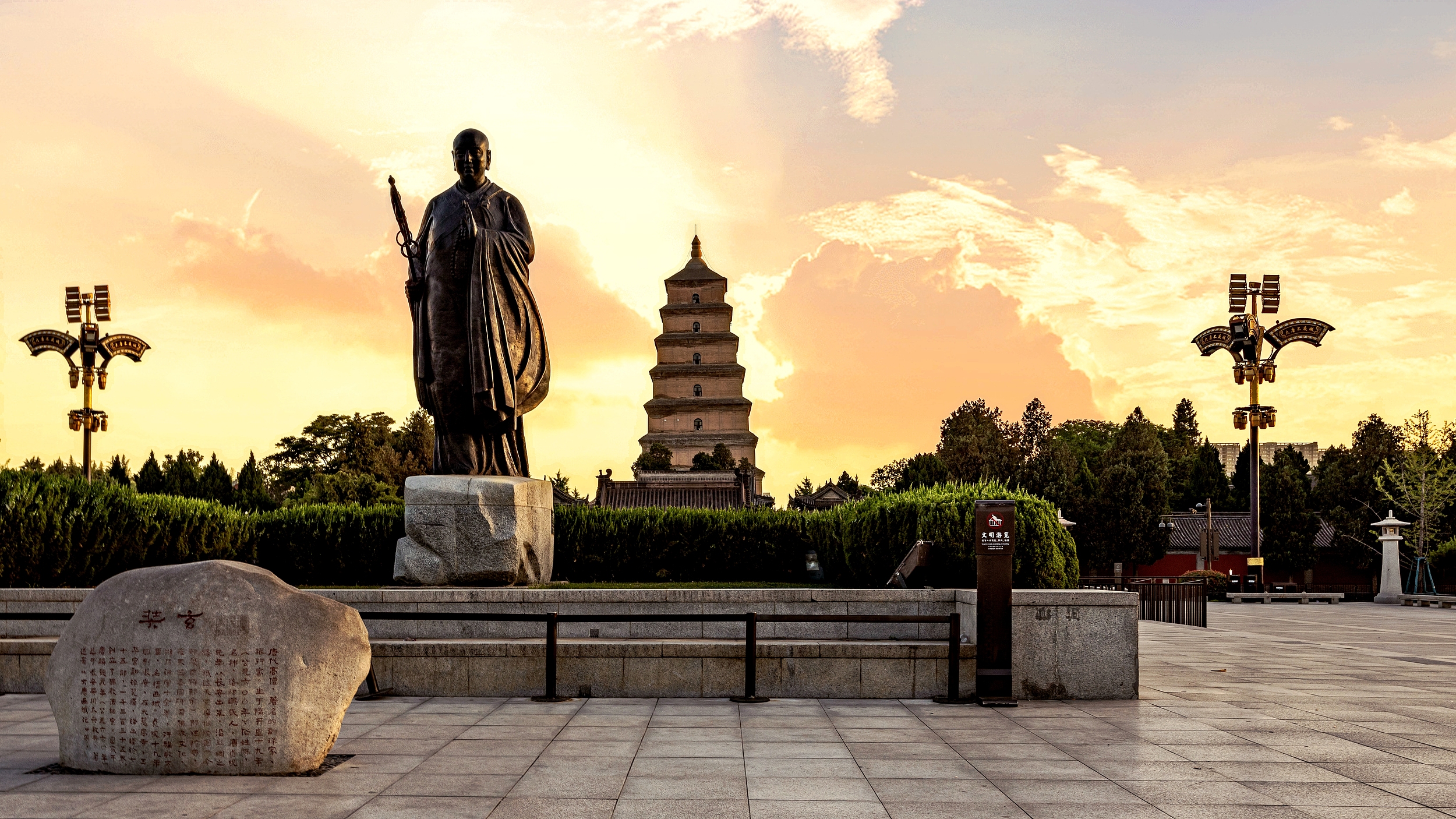
The South Square of the Big Wild Goose Pagoda is located in front of the Da Ci'en Temple. Its iconic landmark is the standing statue of Xuanzang. Surrounded by gardens, granite paving, and a bridge over the water, it's a popular spot for locals to relax. It's also a great place to photograph the Big Wild Goose Pagoda. The South Square is an interpretation of Buddhist culture. The granite paving and the bridge over the water showcase the square's solemnity and grandeur, while the gardens create a beautiful and ancient scene. The majestic Xuanzang statue, with its compassionate religious spirit and active engagement with the world, faces the numerous believers.
주요 포인트
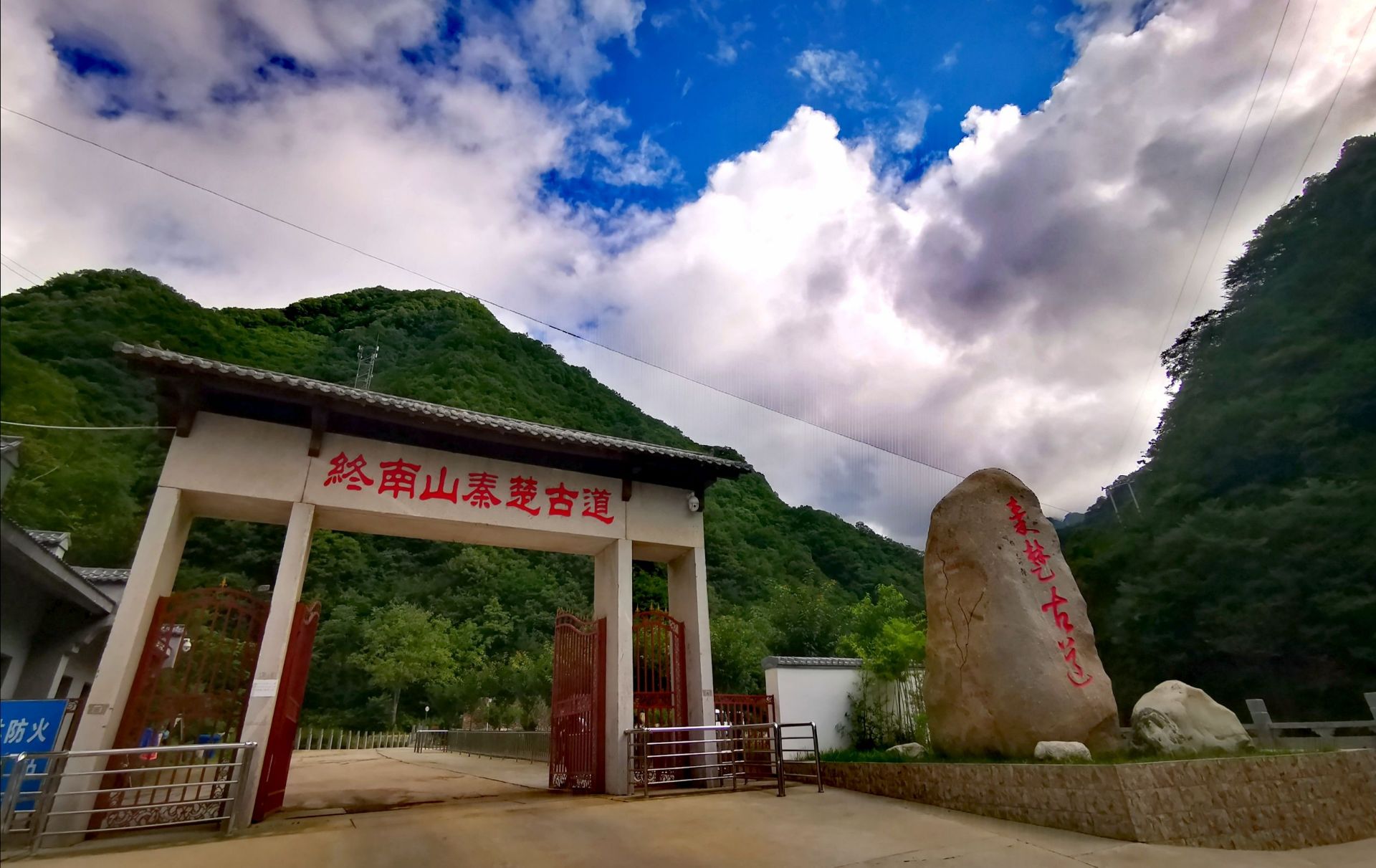
Qin and Chu Ancient Road is located in the foothills of Zhongnan Mountain in Qinfeng Village, Yingpan Town, Zhashui County, Shaanxi Province. The ancient road has a long history and was the main road from Qin to Chu during ancient times. Important goods such as silk and grains were traded, while military horses and chariots also passed through here. It was an important battleground. The ancient road crosses Zhongnan Mountain and is situated at a special spot on the north-south ridge of Qinling Ridge. There are many glacial remains, rhododendrons, pastures and exotic flowers along the road.
주요 포인트
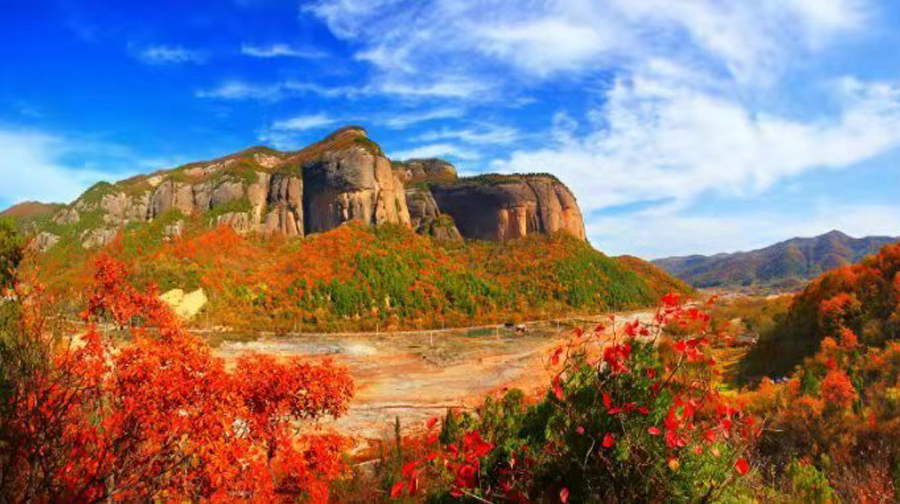
The Xuejiazhai Revolutionary Site is located in Zhaojin Town, Yao County, Shaanxi Province. It is the battle site of the Xuejiazhai Defense War, where the Chinese Workers' and Peasants' Red Army once stayed. It is located in Xiufanggou, Tianyu Village, about 5 kilometers east of the Zhaojin Town Government, Yaozhou District, Tongchuan City, Shaanxi Province. It is located at the southern end of the Qiaoshan Mountains, with an altitude of more than 1,600 meters (including the highest point of the Arrow Cliff). There are many mountains and dense forests here. The central area is a thousand-foot-high cliff, and the terrain is very steep. The village is shaped like a gourd, with cliffs on the east, south and west sides, and bushes on the hillside. You can't see the village shape when you look up, and you can only see a grassy path when you look closely. The whole village has a magnificent trend, which is easy to defend and difficult to attack militarily.
주요 포인트
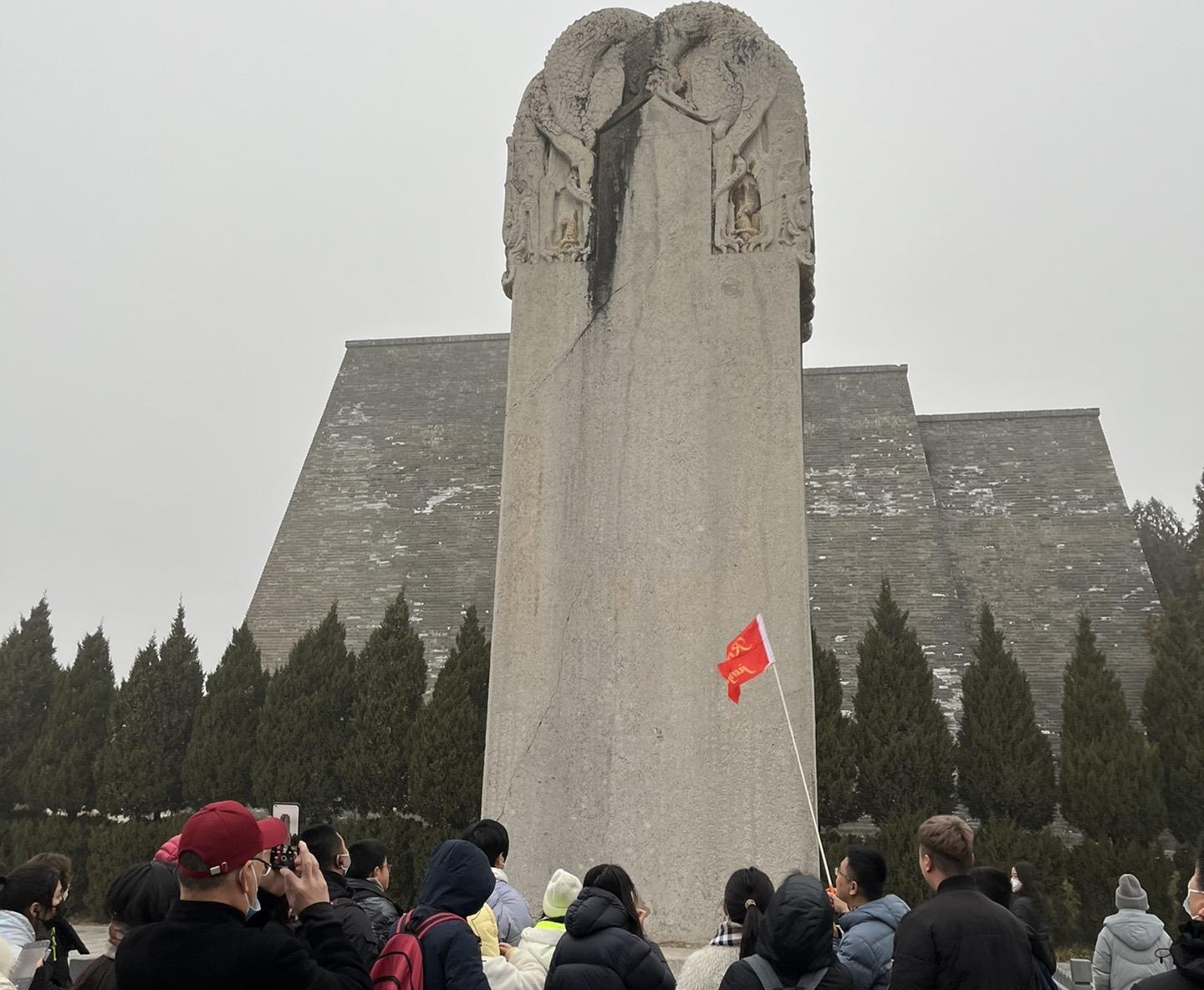
The inscriptionless stele in Gan County, China is located in the Qianling Mausoleum in Liangshan, 6 kilometers north of Gan County, Xianyang City, Shaanxi Province. It is part of the joint burial mausoleum of Emperor Gaozong of Tang, Li Zhi, and Empress Wu Zetian. This giant stone stele is carved from a whole piece of limestone. There are eight dragons carved on the top of the stele, and the body of the stele is decorated with cloud patterns and rising dragon patterns. There are lion and horse images engraved on the base of the stele. It has a magnificent shape and exquisite craftsmanship, representing the high level of stone carving art in the Tang Dynasty. As an inscription of a female emperor in Chinese history, its "wordless" feature has caused controversy for thousands of years. The mainstream view is that the 3,300 existing square marks on the stele prove that Wu Zetian had prepared the inscription before her death, but refused to engrave it because of the complicated political grievances between her mother and the successor, Emperor Zhongzong of Tang, Li Xian. After the Song and Jin Dynasties, the surface of the stele was gradually covered by inscriptions by tourists. There are 42 remaining texts, including the Khitan text "Travels of the Emperor's Younger Brother, the Commander-in-Chief of the Great Jin Dynasty", which has become a precious historical material for the study of minority languages. Today, this stone stele, which combines the essence of Tang Dynasty art with historical mysteries, stands opposite the "Shushengji Stele" on the west side that records Emperor Gaozong's achievements, forming a unique cultural landscape of Qianling Mausoleum.
주요 포인트
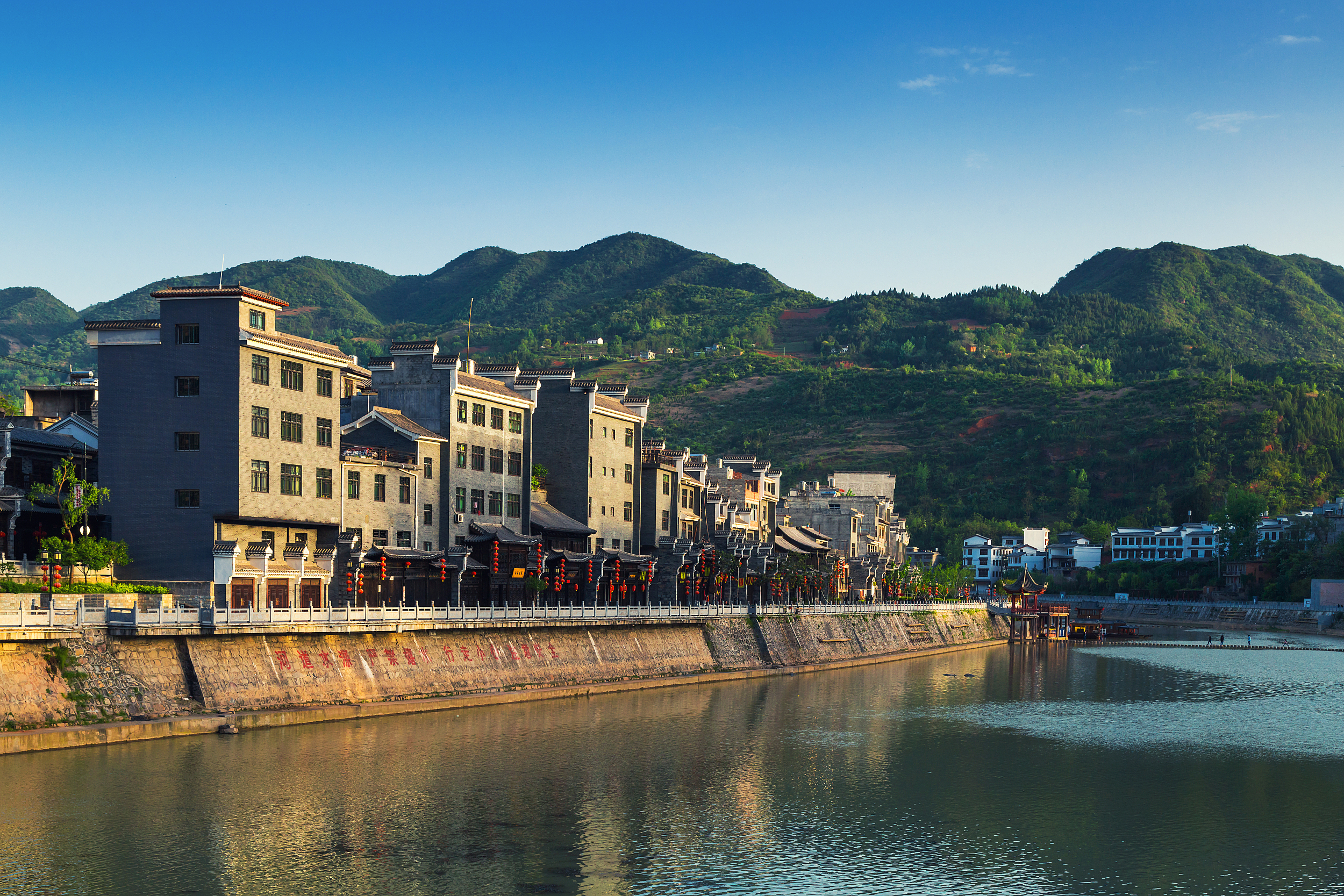
The ancient town of Manchuanguan is located in Manchuan Town, 70 kilometers southeast of Shanyang County, Shangluo. It is located at the confluence of Qianjin River and Jinjia River. Manchuanguan used to be the border of Qin and Chu, and it was fortified here in all dynasties, and now it is the border of Shaanxi and Hubei. Manchuan Pass has a long history. During the Spring and Autumn Period, it was the country of barbarians; during the Warring States Period, Chu to Fangcheng passed through here, and the boundary monument between Qin and Chu is still there; during the Southern Song Dynasty, this was a circuitous battlefield where the Song and Jin sides repeatedly fought; The built Chuangang Guild Hall, Hubei Guild Hall, Wuchang Guild Hall, Mule Gang Guild Hall, Wusheng Palace and other buildings are now listed as protected cultural relics. At the foot of the land ridge in Qiandianzi Village, Manchuan Town, there is a "Thousand Buddha Cave" in the mountain. It was built during the Yongchang Period of Wuzhou and Zhou Dynasty. Manchuanguan is surrounded by mountains and rivers, surrounded by mountains, with Cuiwei's Longshan in the east, the majestic Falun Ridge in the north, the majestic Yunling in the southwest, and the Qianjin River and Jinjia River passing through it. The climate here is warm and humid, and it is rich in citrus, rice, sesame, and tung oil. Before the opening of the Longhai Railway, Manchuan was a flood and drought wharf, and it became one of the important distribution centers for material exchanges in Shaanxi, Hubei, Henan and Shu. The streets of Manchuan are long and narrow, all paved with stones. The houses on both sides are mostly made of wooden boards. The houses are small and exquisite. There is a layer of attic, painted gables, horns of dragons and phoenixes, and bright mirrors hanging on the ceiling. It is antique. There are daily gatherings in the streets and there are many shops, and the custom of "men go to the fields and women set up stalls" has been continued.
주요 포인트
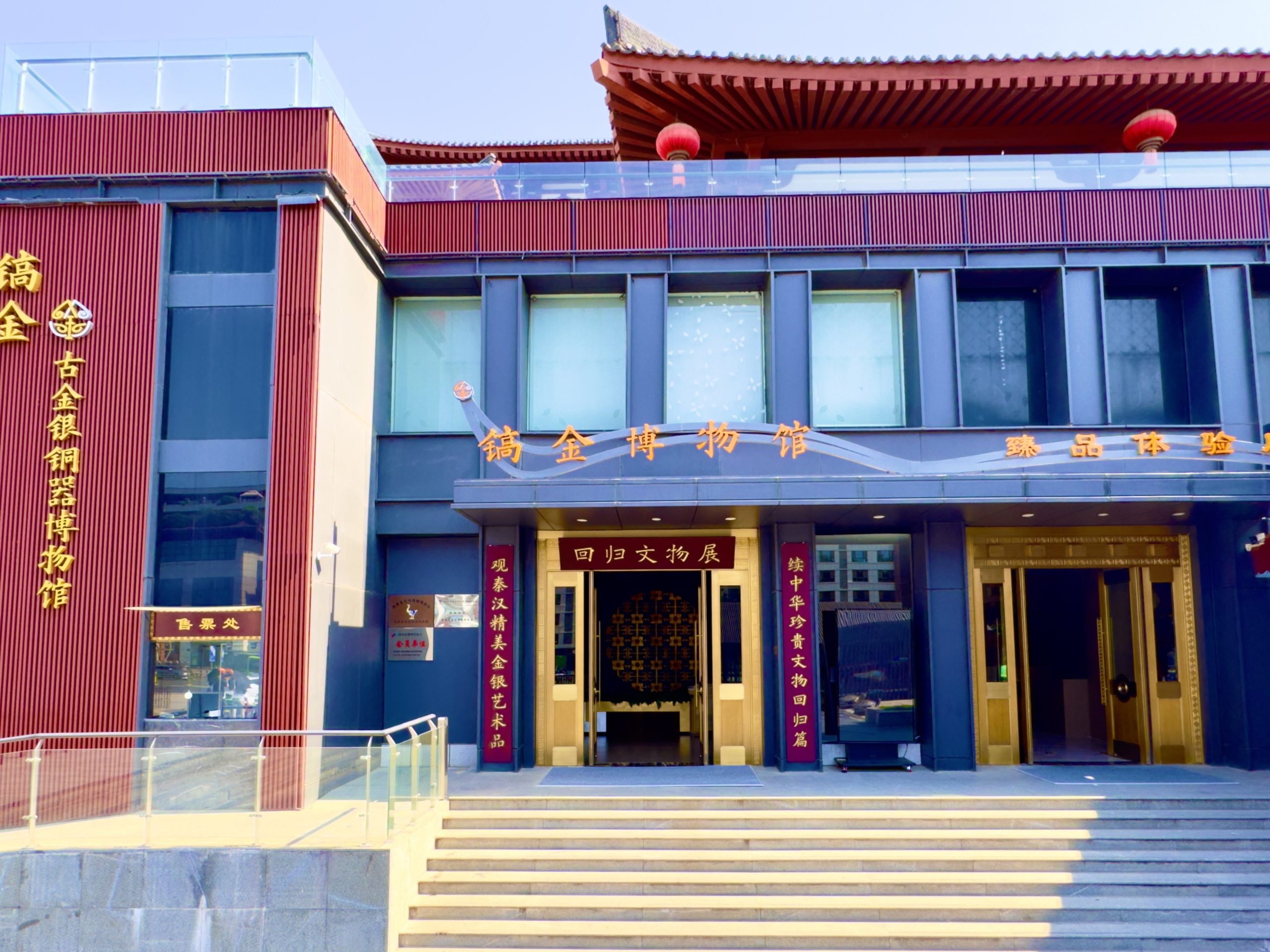
Xi'an Haojin Ancient Gold, Silver and Bronze Museum is a theme museum that displays gold, silver and bronze wares from the Warring States Period and the Han Dynasty. It is a special museum that displays ancient Chinese gold, silver and bronze wares and the craftsmanship culture. The museum collects hundreds of ancient gold, silver and bronze wares from the Spring and Autumn Period, the Warring States Period and even the Qin and Han Dynasties, covering all aspects of social life such as craft decorations, daily utensils, chariots and horses, weapons, gold and silver seals, and gold and silver currencies. It is colorful and magnificent. The beauty of gold and silver and the prosperity of humanities complement each other, using gold as a pen and literature as objects, providing us with valuable physical materials for studying and restoring ancient social life. The museum uses cultural relics to tell about Chinese craftsmanship and uses collections to record the beauty of China. The museum uses cultural relics to gather the production techniques of ancient Chinese gold and silver wares, such as gilding and silver, inlaying gold and silver, inlaying, engraving, hollowing, hammering, gold bead welding, filigree and other ancient techniques, as well as a rich variety of shapes and functions, artistic shapes, pattern decorations, and themes and scenes. They are eternally portrayed in the hands of skilled craftsmen, presenting the beauty of Chinese wares, the wonderful craftsmanship, and the richness of objects, and presenting a cultural feast for thousands of visitors. This is a relay supply station for absorbing cultural power and igniting cultural confidence. The eternal cultural context is passed down from generation to generation.
주요 포인트
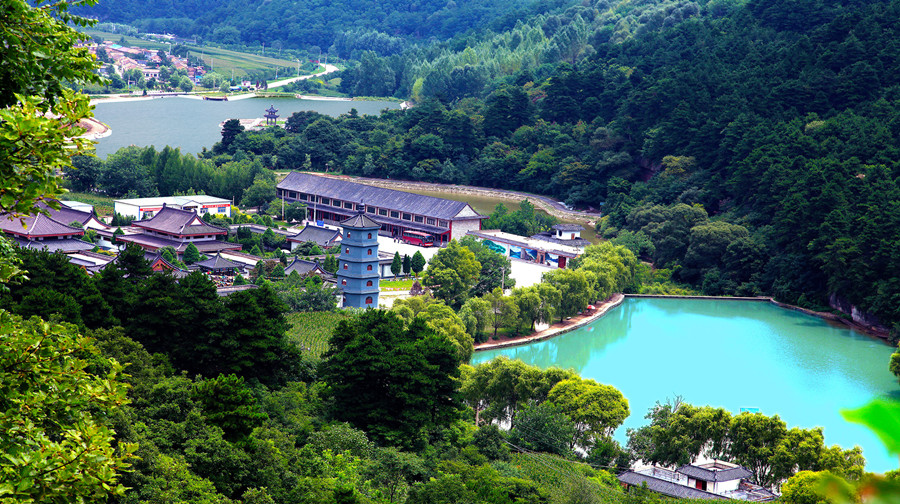
Yuhua Palace Attraction is located in Yuhua Town, northwest of Tongchuan City. It was built in the seventh year of Wude (624 AD) of Emperor Gaozu of Tang Dynasty. It was once a summer palace in the west. After Emperor Gaozong of Tang Dynasty ascended the throne, Yuhua Palace was changed into a temple. In the fourth year of Xianqing (659 AD), the world-famous Master Xuanzang moved to Yuhua Temple with his disciples to translate Buddhist scriptures, and lived in Yuhua Temple for four years. In the first year of Linde (664 AD), he passed away in Suchengyuan of Yuhua Temple. Today, the palace and temple buildings of that year no longer exist, because it is surrounded by mountains and lush vegetation, and has become a summer resort for Residents in the Souvenir . The Yuhua Palace Attraction is lush with trees, and waterfalls and springs can be seen everywhere. There are also many pools and streams in the mountains with clear water quality. It is a good place for Residents in the Souvenir to visit the mountains. The scenery here varies throughout the year. In spring, wild flowers are everywhere in the mountains and fields. In summer, the temperature here is also high, and the thick shade of branches and leaves blocks the sunlight. In autumn, the mountains are full of red leaves. Every winter, an ice and snow festival is held here, where tourists can ski and skate. In the cold season of January and February, there will be exquisite ice sculptures in the Attraction for tourists to enjoy. There are hotels and farmhouses in the Attraction to provide accommodation and Dining services for tourists. In addition to appreciating the beauty of nature, tourists can also visit the Xuanzang Memorial Hall in the Attraction. This is a special museum for Master Xuanzang in recent years. The museum exhibits some cultural relics and Buddhist items unearthed from the Yuhua Palace. The Suchengyuan site in the Attraction is the site of the Sucheng Hall of the Yuhua Palace in the Tang Dynasty. It was renamed Suchengyuan during the Yuhua Temple period. It was also the place where Master Xuanzang stayed, reasoned about Buddhism, and passed away.
주요 포인트
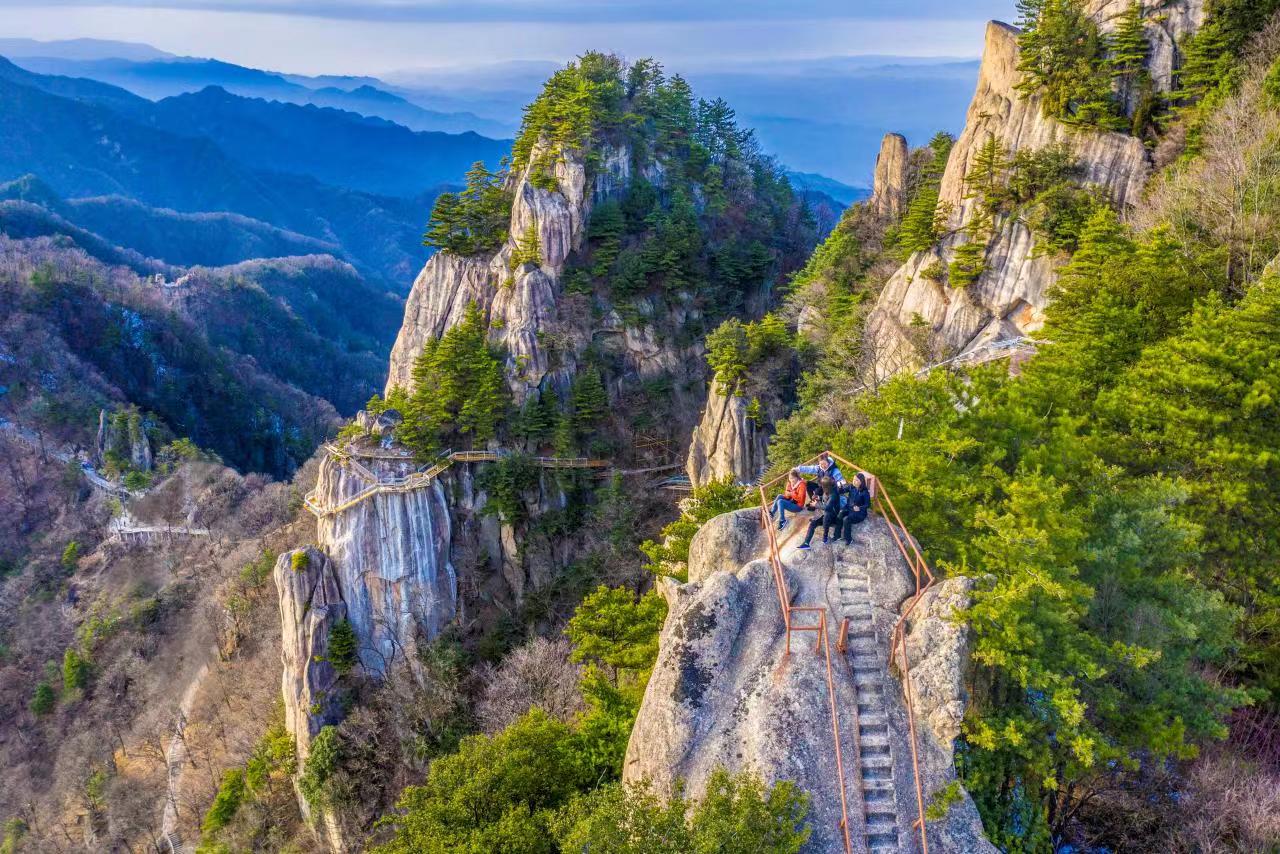
Jifeng Mountain is located in the northeast of Tiantai Mountain's main peak scenic spot, southeast of Baoji urban area, 15 kilometers away from the urban area, and the main peak Yuanshi Tianzun Peak is 2014 meters above sea level. In ancient times, it was called "Chencang Mountain", "Baoji Mountain", or "Chicken Mountain". Baoji's place name is derived from this. Jifeng Mountain has many wonders, and there has always been a saying of "36 scenic spots". The peaks are emerald green, and the mountains, rocks and pine set off each other, which are harmonious and unified; Su Shi, a famous poet in the Song Dynasty, climbed Jifeng Mountain and wrote a beautiful poem "Jifeng Yunxia is ancient, dragon palace is secluded".
주요 포인트
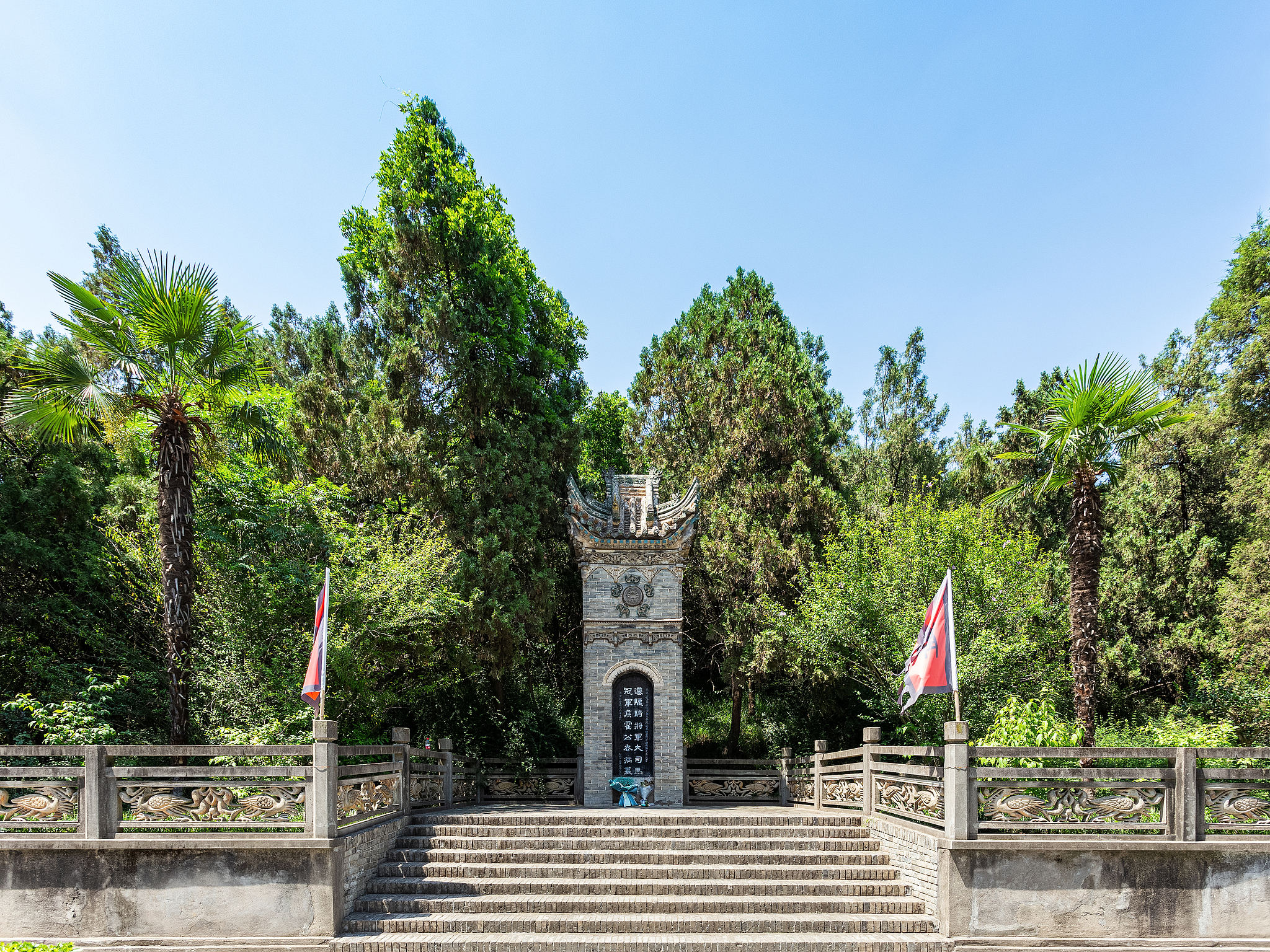
The Maoling Museum - Huo Qubing Tomb is located approximately 15 kilometers northeast of Xingping City and about 1 kilometer northeast of Emperor Wu of Han's Maoling Mausoleum. Huo Qubing died at the young age of 23. To commemorate his military achievements, Emperor Wu of Han built his tomb northeast of Maoling as a secondary burial site. According to records, the tomb of Huo Qubing at Maoling Museum was "built to resemble the Qilian Mountains," intended to commemorate his outstanding military achievements in the Hexi Corridor and the Qilian Mountains region. In China, only generals who made great military contributions could have such a tomb built. It is said that after his death, Emperor Wu of Han was deeply saddened and mobilized the Xuanjia Army, arranging them in formation along Chang'an all the way to Huo Qubing's tomb in Maoling. The Maoling Museum's Tomb of Huo Qubing is surrounded by craggy rocks and verdant pines and cypresses, creating a secluded and tranquil mountain forest scene. At the east and west corners of the tomb, winding paths lead to the top. Huge stones are piled on the earthen mound, and stone figures and beasts are placed in front of the tomb. Among them, the "Horse Trampling the Xiongnu" is the main stone carving in front of the tomb, measuring 1.9 meters long and 1.68 meters high. Carved from grayish-white fine sandstone, the stone horse stands with its head held high, its long tail trailing on the ground. Beneath its belly is a carved image of a Xiongnu man, long-bearded, holding a bow and arrow, struggling with a furrowed brow. It is a representative monumental work. Because of this sculpture, the Maoling Museum - Huo Qubing Tomb is considered more popular than the tomb of his uncle, Wei Qing.
주요 포인트
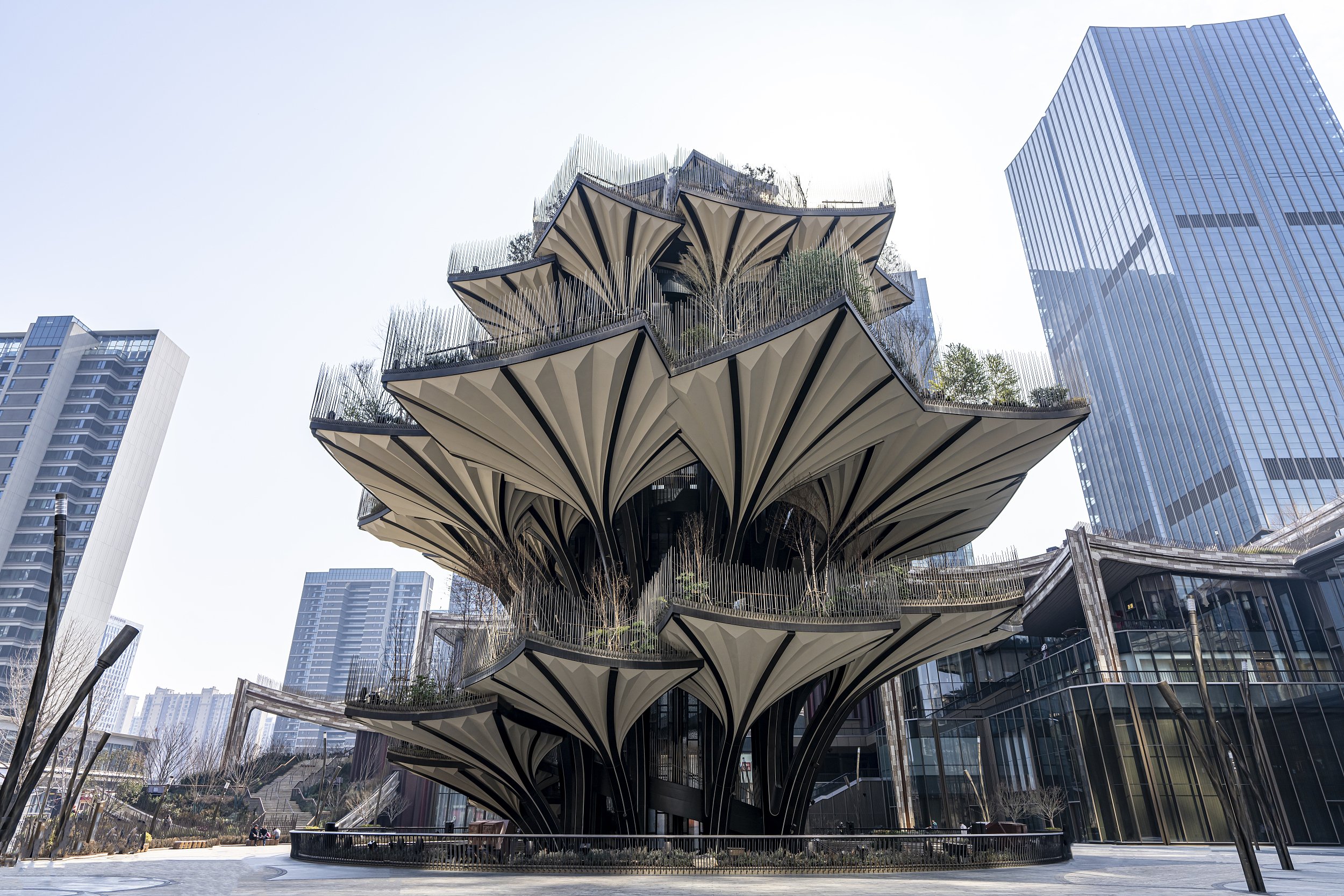
The "Tree of Life," standing in the center of the MixC Plaza in Xi'an, is a rising new landmark in the ancient capital. Designed by Heatherwick Studio in the UK, the 57-meter-tall building is inspired by the thousand-year-old ginkgo tree planted by Emperor Taizong of Tang in the Guanyin Temple in Xi'an. It transforms the tree's millennia-old vitality into a highly modern architectural language. The "Tree of Life" features 60 giant steel structural leaves that intertwine and spread like ginkgo leaves, supporting seven staggered platforms. From bottom to top, it presents seven ecological landscapes: dry grassland, arid desert, dry shrubland, temperate broad-leaved forest, mountain forest, alpine tundra, and temperate grassland, seemingly condensing the geographical features along the ancient Silk Road into a single entity. Strolling through it, visitors feel as if they are walking through a three-dimensional Silk Road garden, encountering completely different natural scenery on each level and experiencing ecological changes across time and space.
주요 포인트
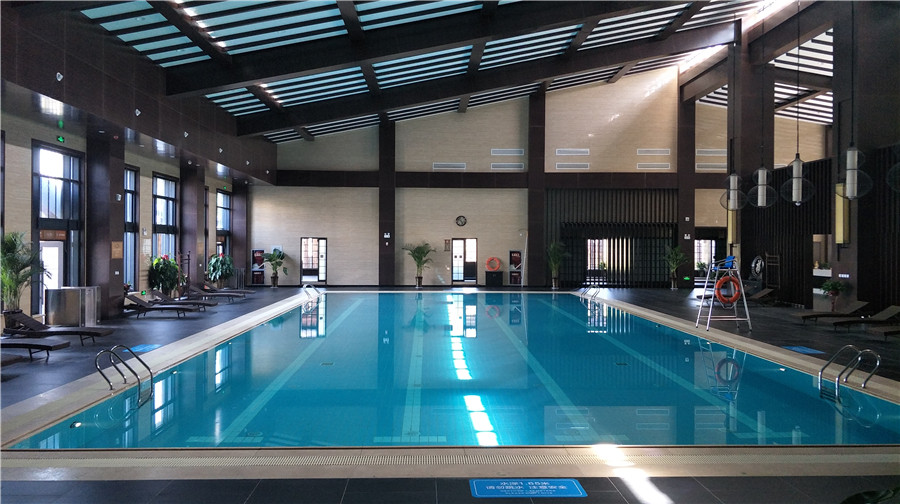
Shaanxi Industrial Therapy Hot Spring Garden is located in Lintong, a historical town in Xi'an. It is located at the foot of the Lishan Mountain, which is green all year round. It is only a 15-minute drive from the Terracotta Warriors and Horses of the Qin Shihuang Mausoleum and only 5 minutes from Huaqing Hot Spring. The outdoor hot spring area is divided into five major areas: Health Garden, Beauty and Skin Source, Special Health Garden, Refreshing and Quiet Area, and Natural Leisure Garden.
주요 포인트
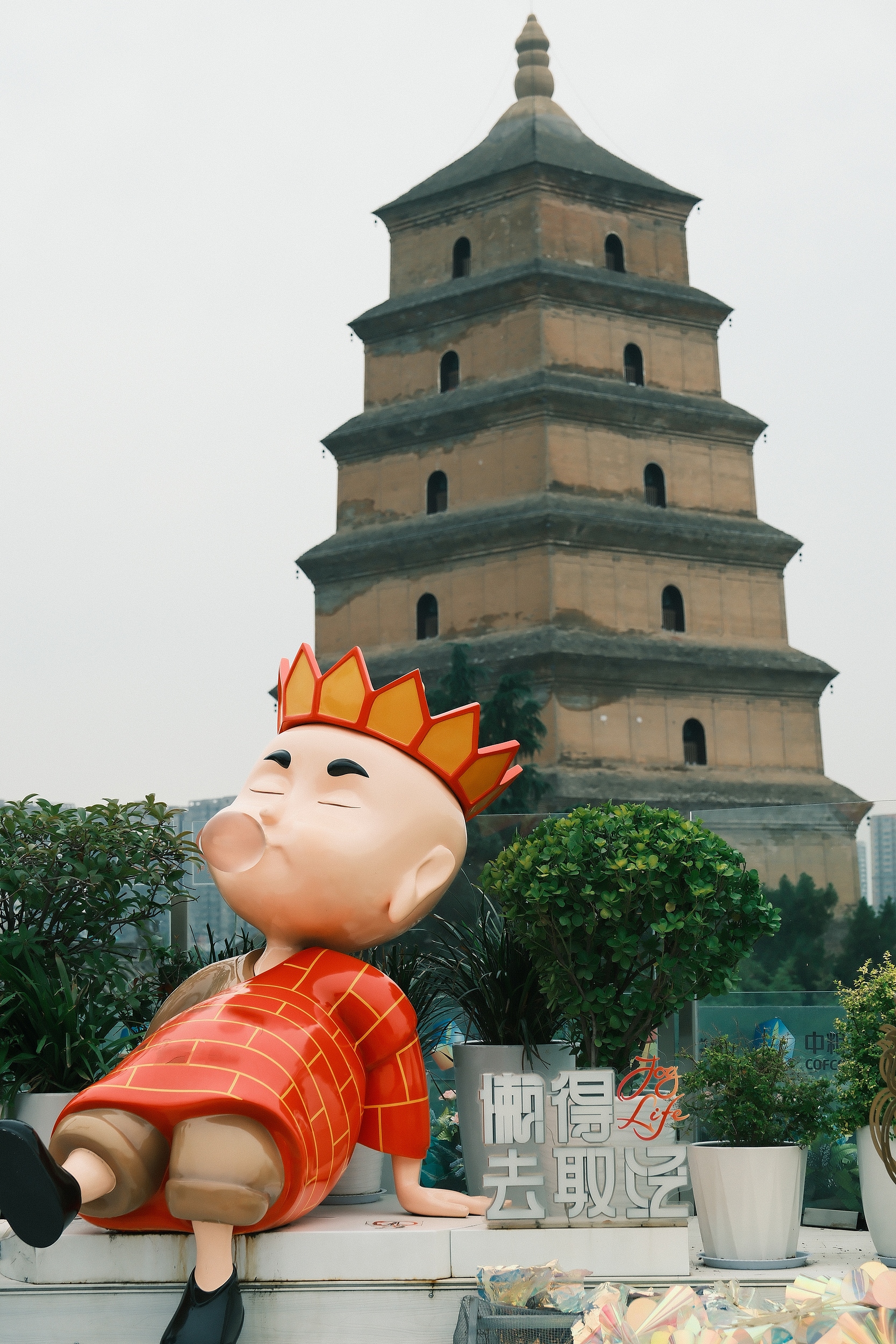
The viewing platform at Xi'an's Qujiang Joy City is a prime tourist destination, combining modern design with natural beauty. Located in the heart of Xi'an's Qujiang New District, it attracts numerous visitors and residents with its unique architectural style and prime location. The platform's modern design ensures safety while maintaining unobstructed views, allowing visitors to fully appreciate the magnificent scenery of the Qujiang New District. During the day, visitors can overlook the rippling waters of Qujiang Lake and gaze upon the majestic Big Wild Goose Pagoda in the distance, immersing themselves in the fusion of ancient and modern elements of this historic and cultural city. At night, the city lights come ablaze, and the viewing platform becomes a perfect spot to admire the nightscape. The dazzling lights intersect with the skyline, creating a captivating scene. Nearby, within Joy City, guests can enjoy a wide range of dining, shopping, and entertainment options, allowing visitors to enjoy a variety of dining and shopping experiences to satisfy their every need while admiring the scenery.
주요 포인트
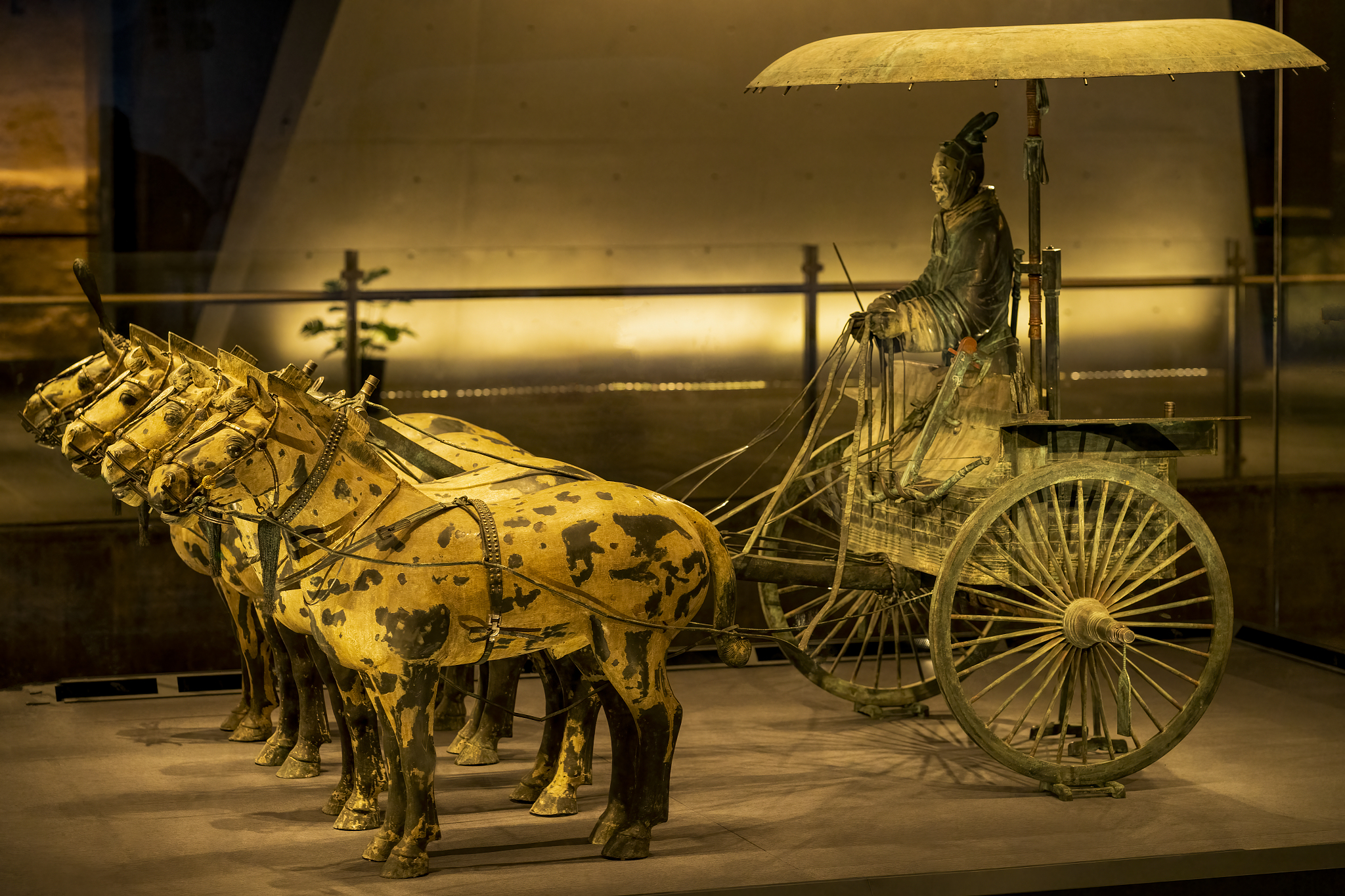
The Bronze Chariot and Horse Exhibition Hall, located within the Qin Shi Huang Mausoleum Museum in Xi'an, Shaanxi Province, is a dedicated exhibition hall showcasing Qin Dynasty bronze chariot and horse artifacts. Drawing on the remains of these chariots and horses unearthed from the Mausoleum, the hall focuses on "restoring the craftsmanship and ritual culture of the Qin Dynasty." Through the display of artifacts, scene reconstruction, and scientific interpretation, the hall serves as a crucial window into the Qin Dynasty's craftsmanship and ancient ritual system, and a key location for understanding the Qin Shi Huang Mausoleum's burial system. The centerpiece of the exhibition hall is the bronze chariot and horse, a precious artifact unearthed in 1980 from the west side of the Mausoleum. The hall features two distinct chariots and horses, each cast in a 1:2 scale, constructed entirely of bronze and adorned with gold and silver ornaments, demonstrating exquisite craftsmanship. Overall, the Bronze Chariot and Horse Exhibition Hall, through its combination of artifacts and interpretation, serves as a vital venue for showcasing Qin Dynasty civilization and conveying its historical value, making it a perfect venue for visitors interested in ancient history, cultural relics, and archaeology.
주요 포인트
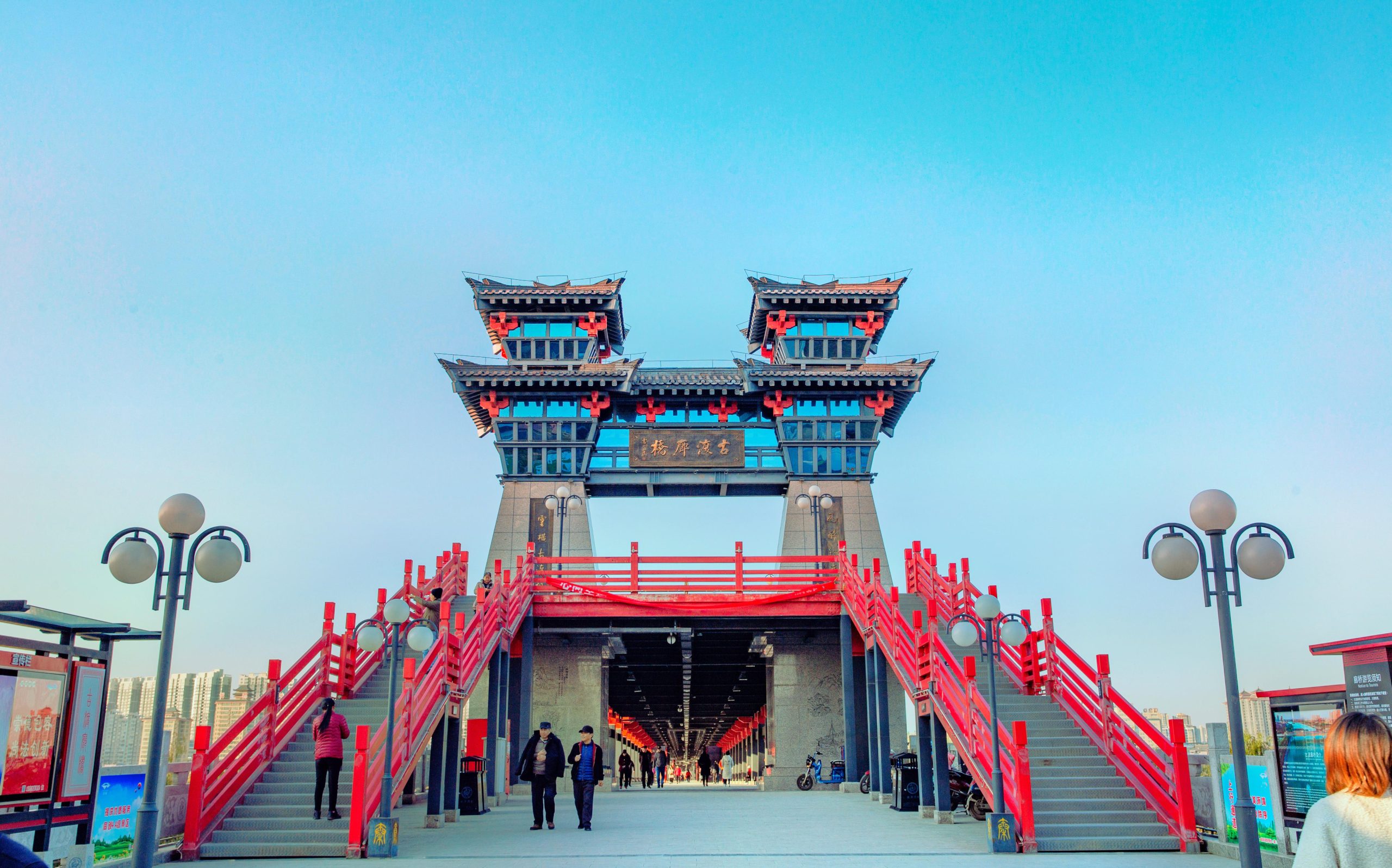
The Xianyang Lake Scenic Area is located in the Xianyang urban area of the Wei River. It starts from Xiantong Road in the west and ends at the Weihe Longhai Railway Bridge in the east. It is 4.7 kilometers long, 600-800 meters wide, and covers an area of about 240 hectares. The construction of the Xianyang Lake project started in October 2004, and the dam was erected to store water in July 2005. It is mainly composed of water conservancy and flood control projects and ecological landscapes: the water conservancy and flood control project adopts a middle partition wall to divide the 500-meter-wide Weihe main channel. Second, the south side is the flood discharge channel, and the north side uses a rubber dam to store water to form a lake with an area of 124 hectares, which not only regulates the urban climate, but also improves the urban ecological environment, showing "a clear water runs through the ancient city, and the Wei River runs through the capital. A new look" scene. The ecological landscape takes the Weihe River as the main axis and takes the ancient Xianyang Qin and Han history and culture as the background. A belt-shaped green landscape area with a width of 50-180 meters has been constructed on both sides of the river. Scenic spots such as Qingwei Tower, Ancient Ferry Site, Weishui Evening, Shanglin Dawn, etc. complement each other, creating an urban ecological landscape that is harmonious and unified between man and nature, and showing the profound historical and cultural connotation of the ancient capital of Xianyang.
주요 포인트
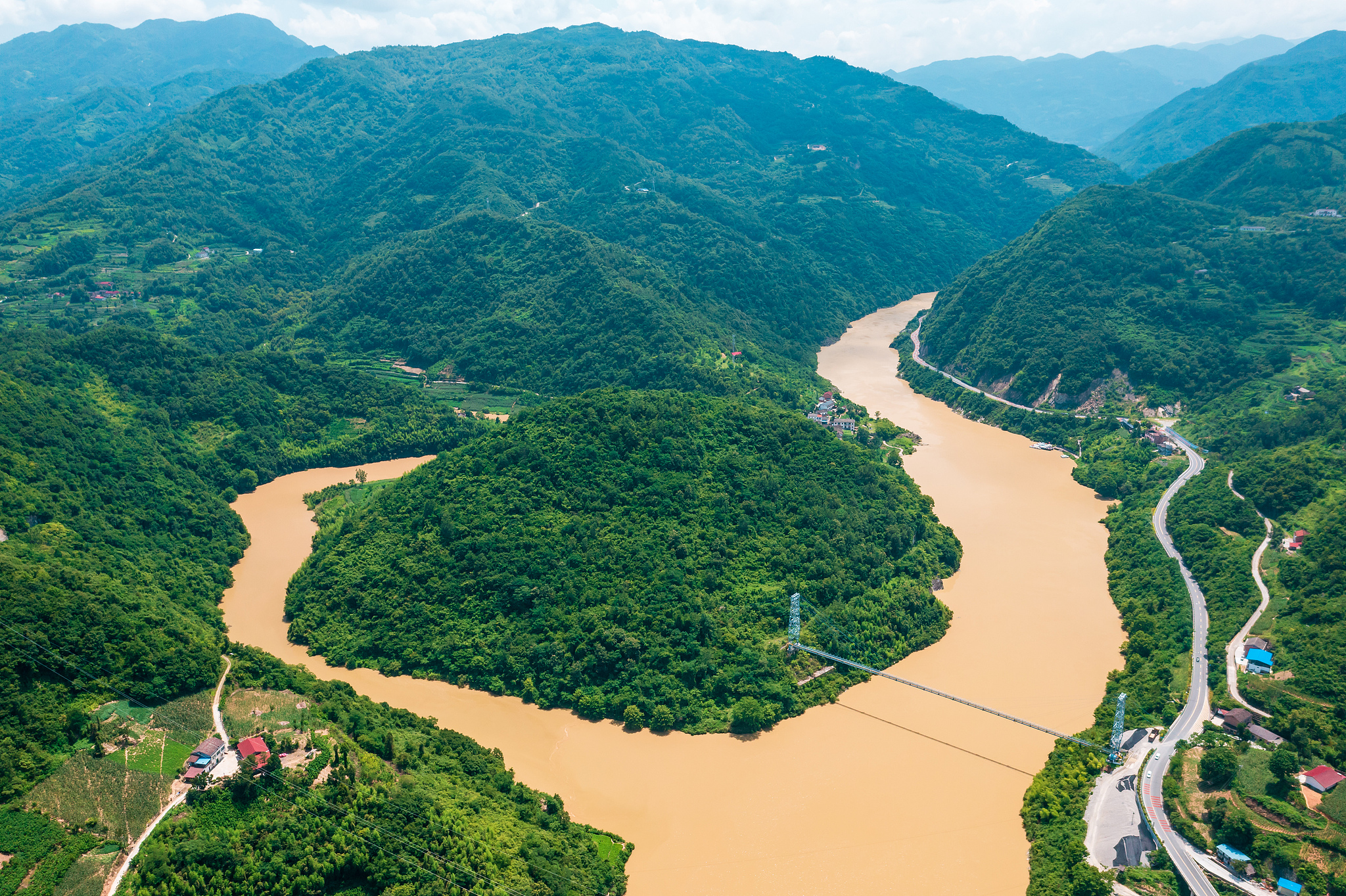
The Hanjiang Three Gorges is located in Shiquan County of Ankang City. The Han River is the ancient birthplace of the Chinese civilization and the origin point of the North-South Water Transfer Project. The Han River Three Gorges scenic area begins at the Lotus Ancient Ferry. In the middle of the scenic area, you'll go past the Fenghuang (Pheonix) Gorge, Liuxi (Willow Creek) Gorge, and the Xiangbai (Fragrant Cedar) Gorge, before reaching the endpoint at the Xi River Guiyuan Scenic Area. As you travel by boat, you can enjoy the beauty of the Han River Three Gorges all around you. This area is sometimes also called the "Qinba Mountain Water Gallery" in honor of its artistic beauty.
주요 포인트
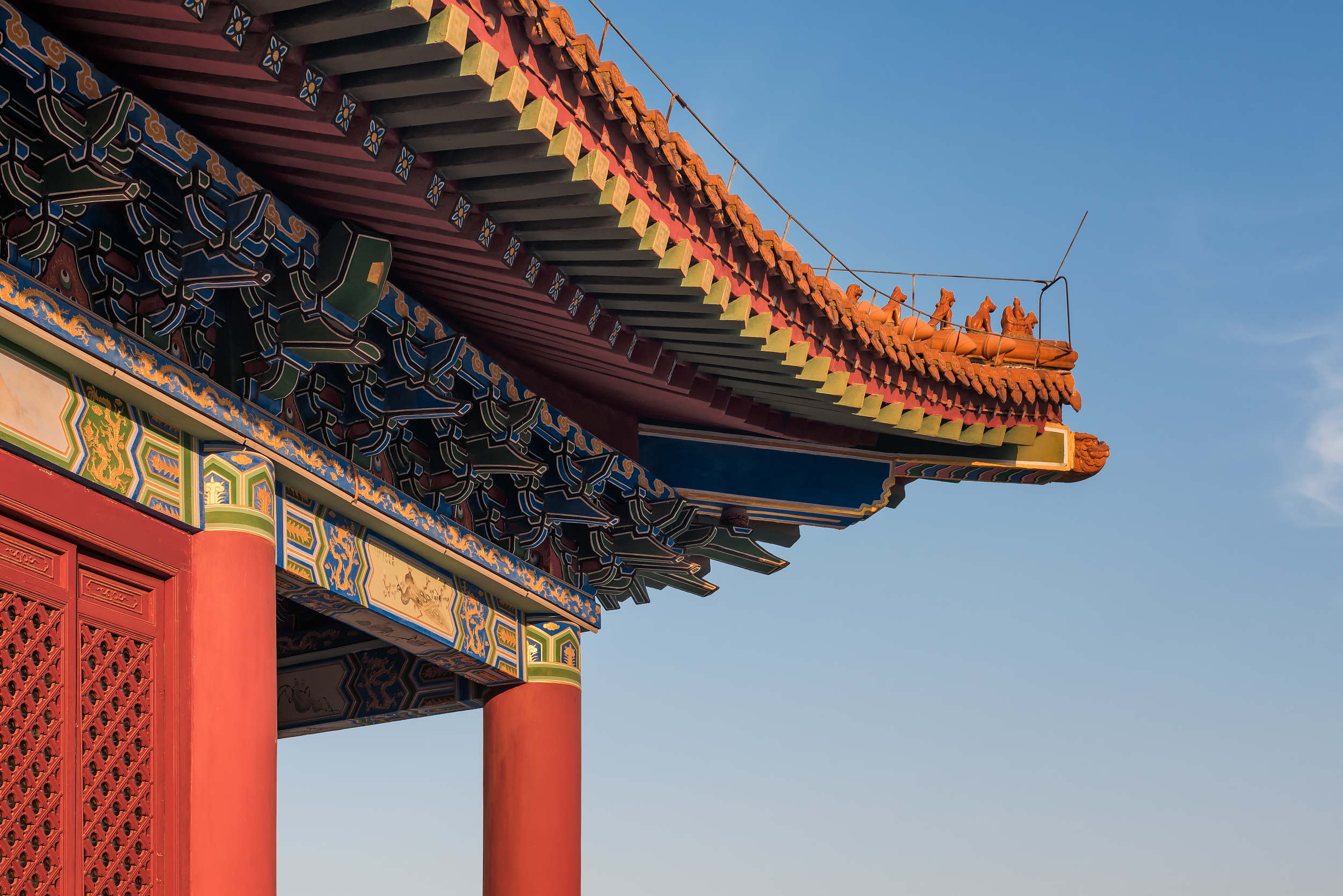
Located in Zhouzhi County, Louguantai National Forest Park is the place where Lao Tzu wrote the " Morality Classics" and gave his disciples Han Gu Guan Ling Yin Xi to talk about the scriptures. There are many Taoist temples nearby, and the Taoist culture is rich. There are large bamboo forests in the park and is one of the few places in the northwest that can see bamboo forests. In the scenic area, a large piece of green bamboo is there to greet people. As a test base for "Nanzhu move northwards", Louguantai enables visitors to see the rich bamboo from the south in the northwest. It has been the home of Taoist education since ancient times.
주요 포인트
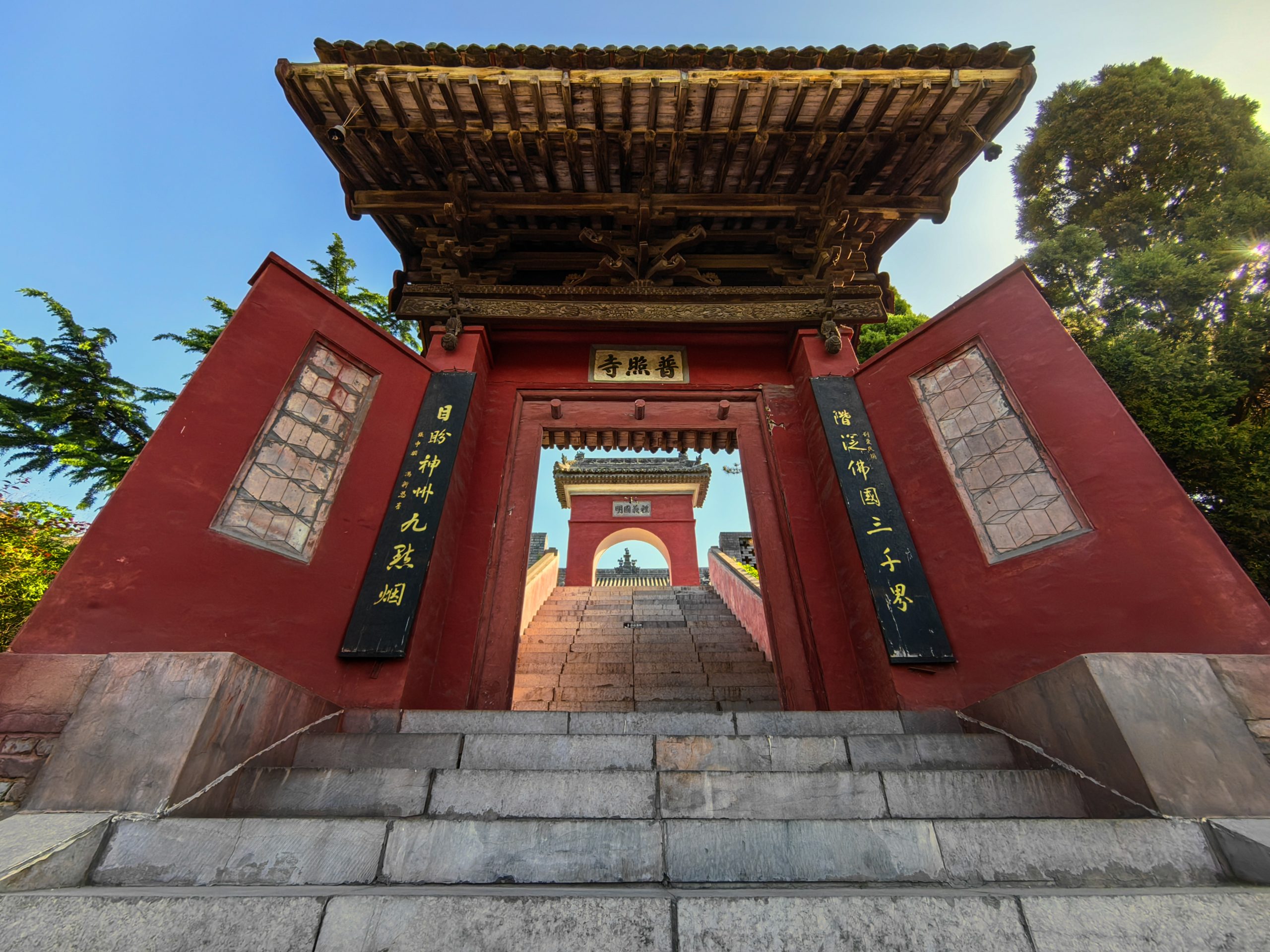
Puzhao Temple is located to the west of the health center in Zancun Town, Hancheng City, Weinan City. It was built in the third year of Yuan Yanyou (1316). It is built at the southern end of the ancient fortress more than 10 meters high, overlooking the surrounding area. It is a landmark building of Hancheng during the Yuan Dynasty. Puzhao Temple, like Sima Qian's tomb, was built on the mountain. Its main building, the Mahavira Hall, dates back to the Yuan Dynasty. The Buddhist niches inside are of high artistic value. The hall houses five colored statues of Sakyamuni Buddha, Manjusri Bodhisattva and Samantabhadra Bodhisattva, and disciples Ananda and Kasyapa, which were sculpted in the third year of the Yuan Dynasty Taiding Period (1326), as well as more than 130 caisson paintings from the Ming and Qing Dynasties. In addition to the Main Hall, there are also the Land God Temple, Guandi Temple, Jialan Hall, Dharma Protector Hall, Guanyin Cave, Zen Temple, etc. The appearance and window shape of the Main Hall look like a red yurt. The Buddha statues in the hall are exquisitely carved with clear lines, and the caisson on the upper part is painted with flowers, birds, insects, fish and figures, which are vivid and lifelike.
주요 포인트
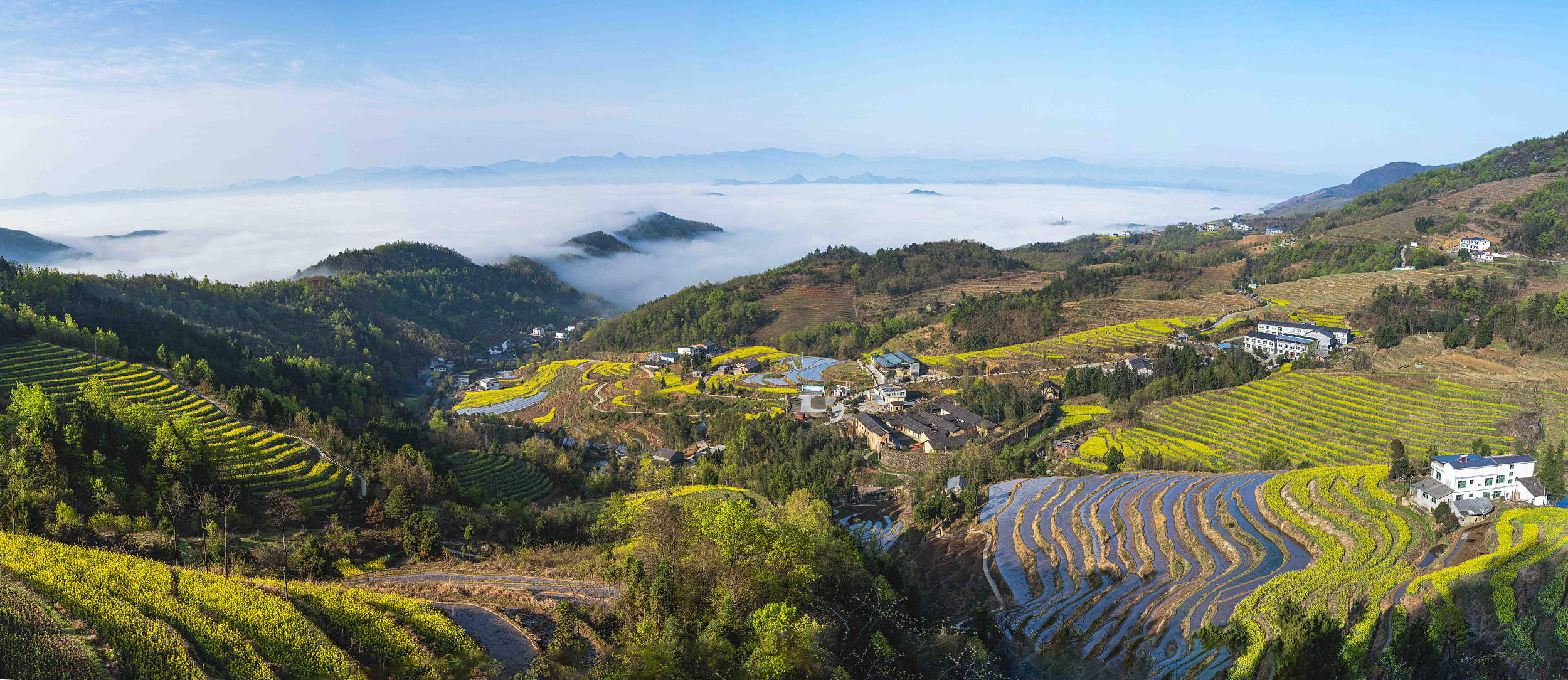
The Fengyan Ancient Terraced Fields Scenic Area is located in Xuanwo Town, Hanyin County. It is an irrigation-type water conservancy scenic area, covering a contiguous area of over 12,000 mu (approximately 800 hectares). Dating back over 250 years, the scenic area covers 38.78 square kilometers and is currently the largest and best-preserved Qing Dynasty terraced field discovered in the Qinling-Bashan Mountains. In 2010, the Fengyan Ancient Terraced Fields were named one of the "Top Ten New Discoveries of the Third National Cultural Relics Census in Shaanxi Province." In 2013, it was designated a provincial-level water conservancy scenic area by the Shaanxi Provincial Department of Water Resources, and in 2014, it was named one of "China's Beautiful Countryside" by the Ministry of Agriculture.The Fengyan Ancient Terraced Fields are located in Huanglong Village, Yanping Village, and Cigou Village in Xuanwo Town, Hanyin County. Construction began in the Qing Dynasty, integrating mountains, water, fields, houses, villages, temples, and agriculture, and embodying a style that is "profound, elegant, unique, refreshing, and magnificent." In 2010, it was listed as one of the top ten major cultural relics discoveries in Shaanxi Province.
주요 포인트
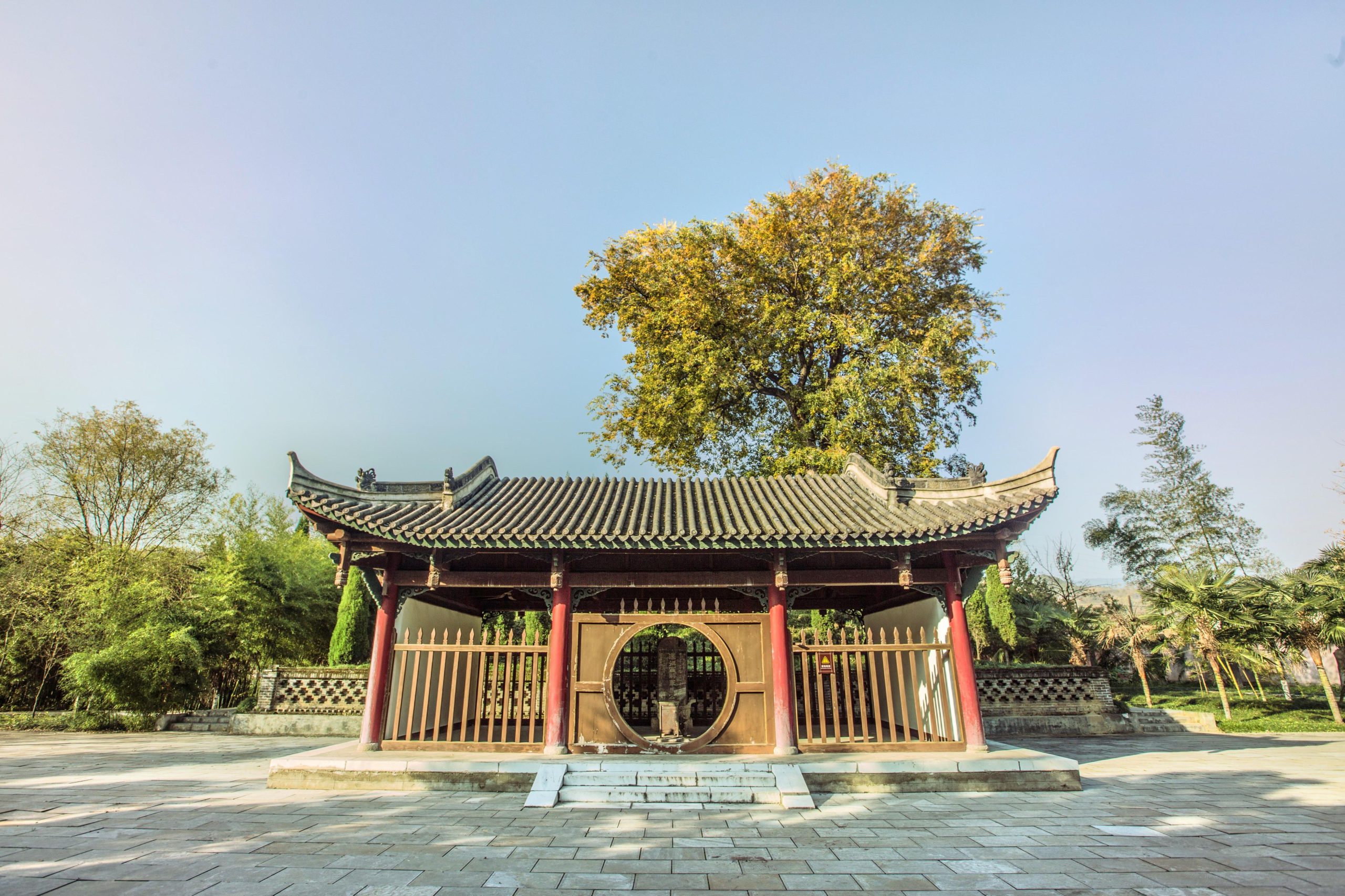
The Ma Chao Tomb Temple is located in the Magong Temple Village of the west of Mian County, Hanzhong City, about a kilometer away from Wuhou Temple. Ma Chao is a famous officer from the Three Kingdoms period, positioned after Guan Yu and Zhang Fei. Due to his talent in martial arts, he also enjoyed the names of "Shenwei Tian General" and "Jin Ma Chao." The temple still maintains three main halls, where there is a clay statue of Ma Chao, full of power and grandeur. His tomb is surrounded by green pines and cypresses, giving it an air of seclusion.
주요 포인트
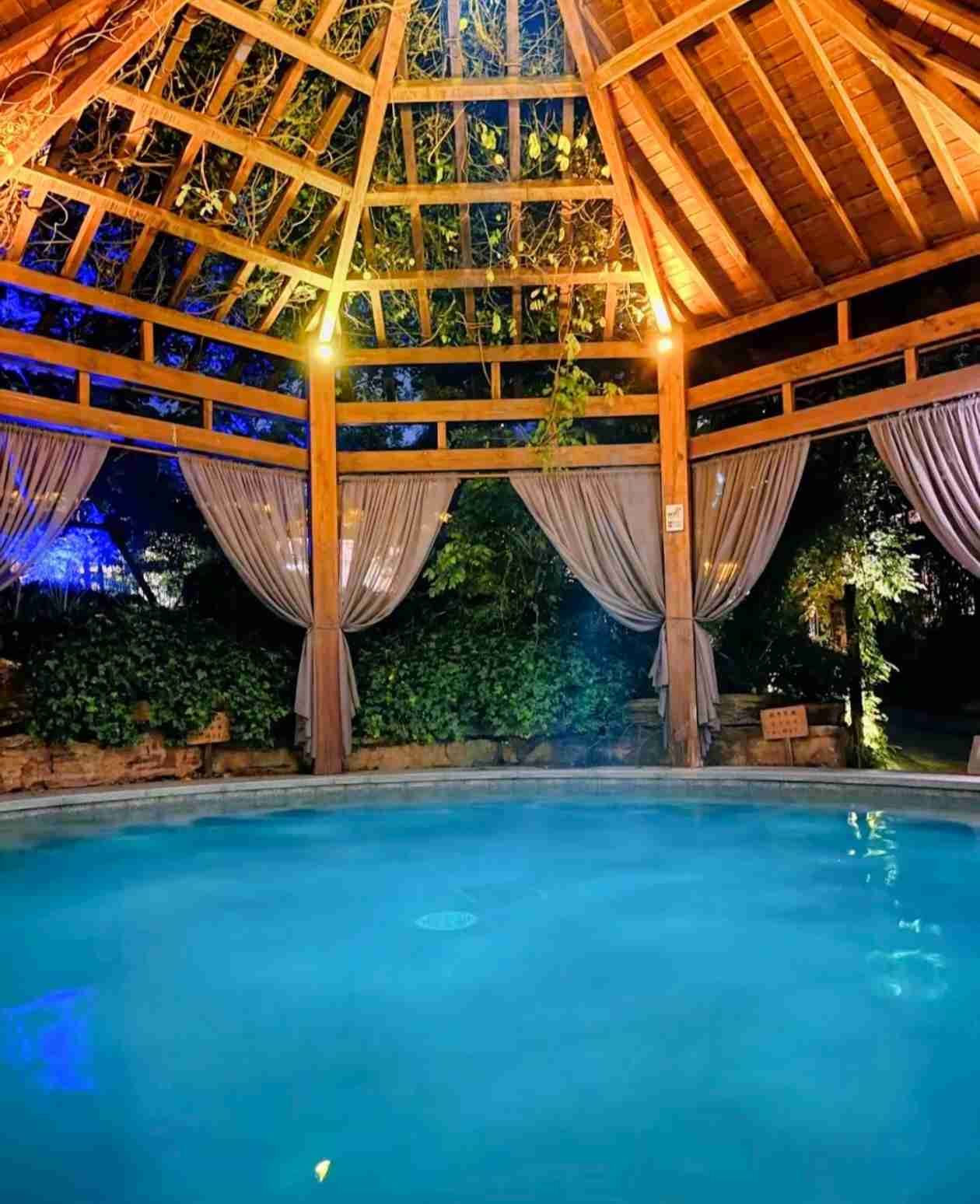
Baye 3000m Hot Spring is named after the hot spring well that goes 3000 meters underground. There are more than 15 hot spring pools indoors and outdoors, each with a different theme, including rose soup, ice and fire soup, orange soup, red wine soup, etc., with different functions, unique features, sizes and styles.
주요 포인트
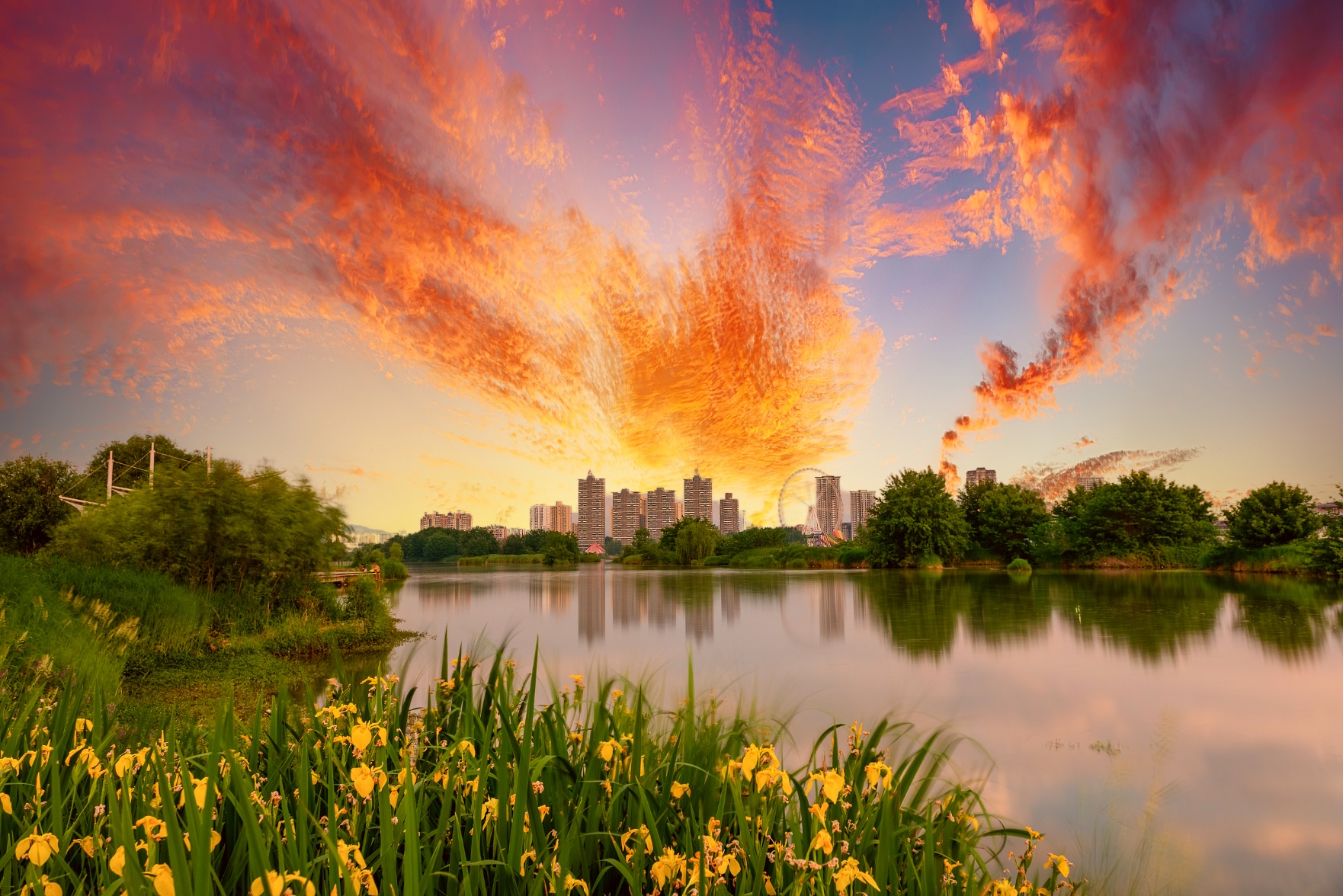
Tianhan Wetland Park is located on the Han River in Hanzhong City and is a popular leisure destination for Hanzhong residents.
주요 포인트
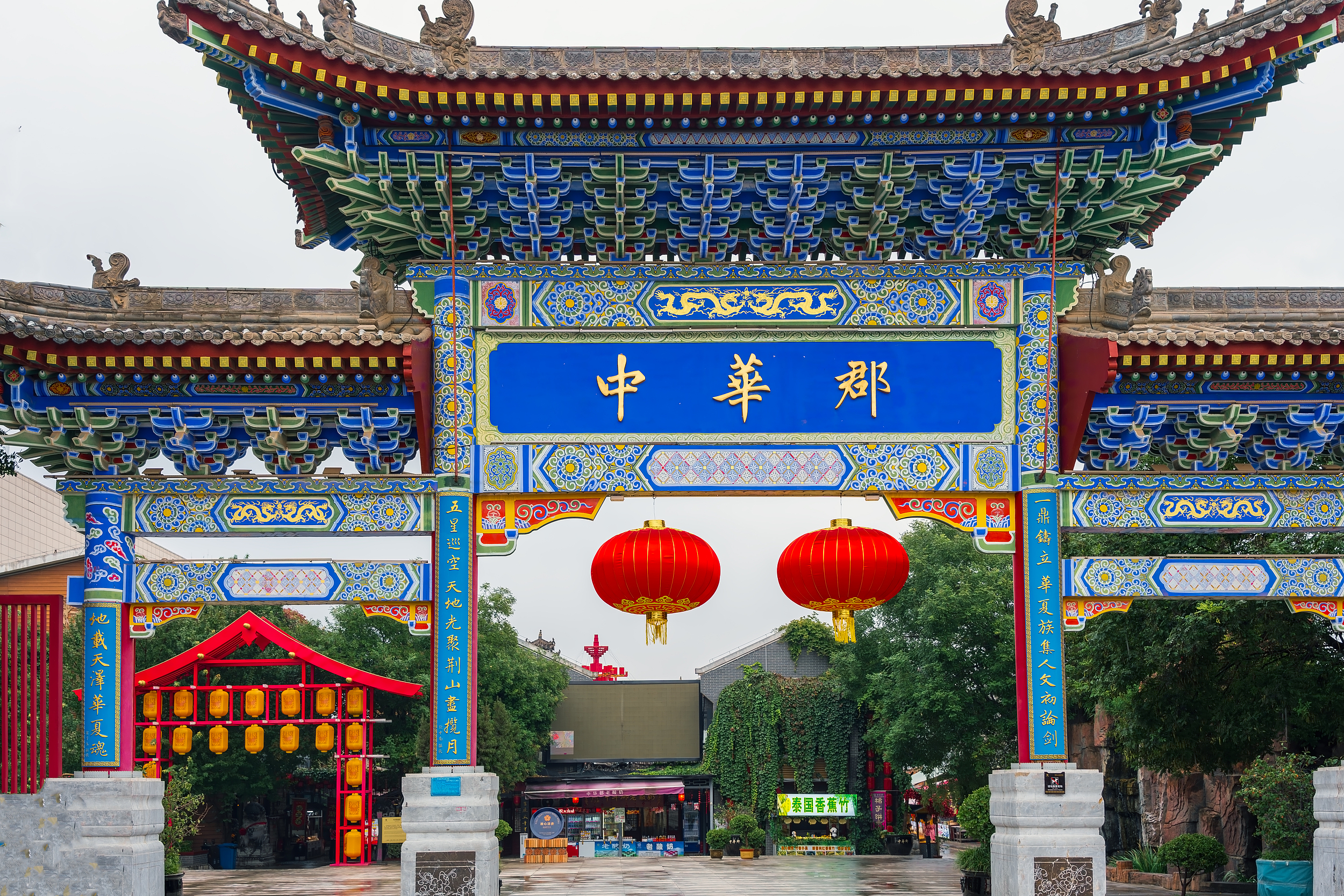
The Zhonghua County Cultural Tourism Attraction is located in Jingshan between Fuping, Yanliang and Sanyuan. The Attraction is laid out with "one core, two axes and four blocks", with the story of Huangdi casting the tripod as its cultural core, and four major blocks of cultural tourism, leisure and vacation, sightseeing agriculture, and health and wellness travel. It aims to create a complex cultural tourism destination that integrates tourism industry, performing arts culture industry, creative culture industry, modern sightseeing agriculture, leisure and vacation industry, health and wellness industry, and expanded research and study.The first phase of the Attraction development and construction covers an area of 1,000 acres. At present, the Zhonghua Junsheng Hot Spring Resort Hotel, Folk Customs Street, Water Park, Happy Park, Tiger Park, Cute Pet Park and other projects have been completed and put into operation. The second phase of the project is under construction.
주요 포인트
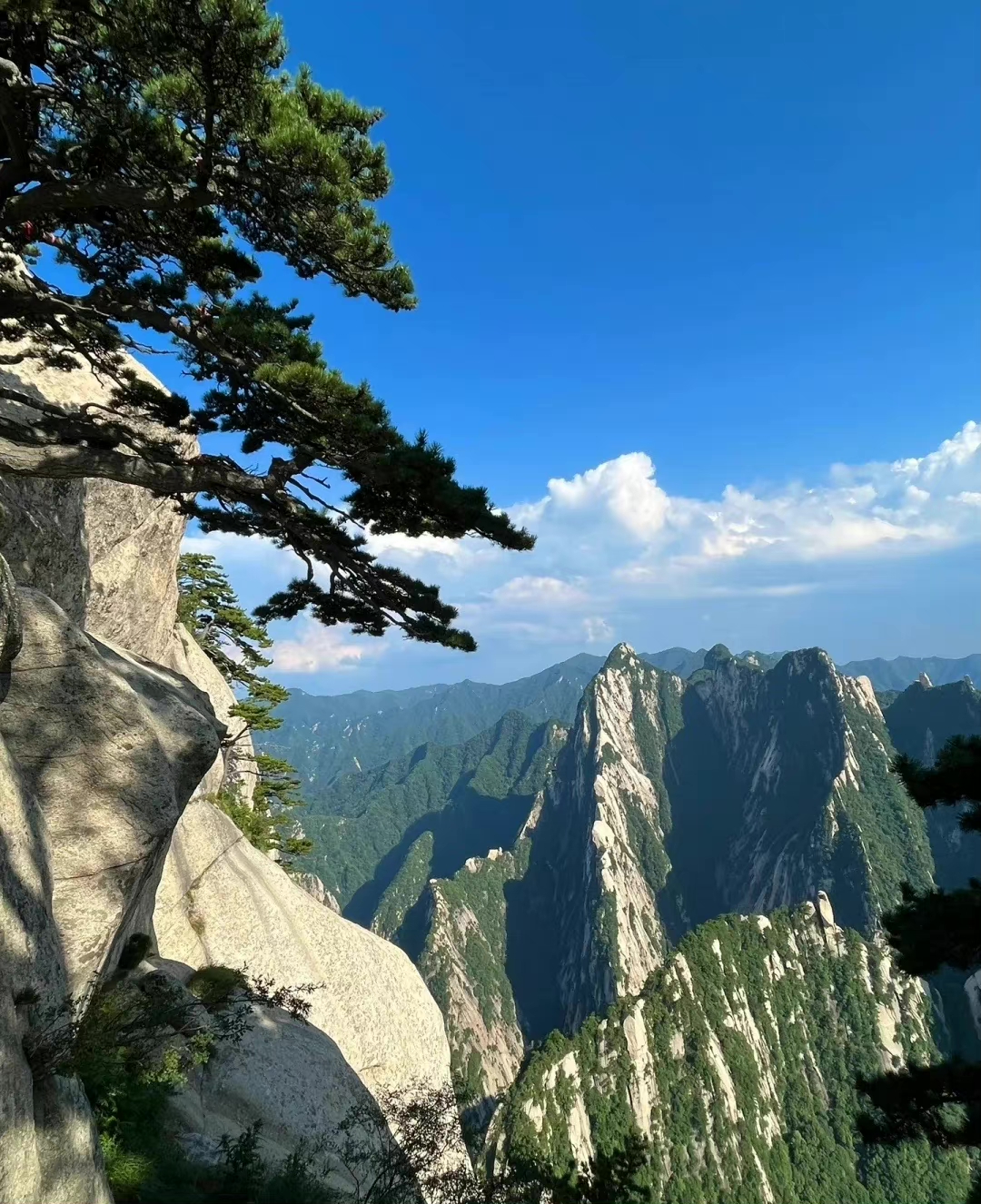
The South Peak of Mount Hua, at an altitude of 2160.8 meters, is the highest peak of Mount Hua. The South Peak has two summits: the eastern summit, Songhui Peak, is named for the many pine and cypress trees that grow there; the western summit, Luoyan Peak, is the highest point of the South Peak. Legend has it that because the mountain is so high, even wild geese cannot fly over it and must rest here, hence the name. Climbing to the top of the South Peak, one can see all the surrounding mountains below, overlooking the Loess Plateau, the Wei River Plain, and the Yellow River, Jing River, and Wei River all within view, filling one with a sense of grandeur and allowing one to truly appreciate the majestic and imposing grandeur of Mount Hua, enjoying the magical feeling of being in the heavens and walking on clouds. At the summit of the South Peak is Laozi Cave, where, according to legend, Laozi, the founder of Taoism, lived in seclusion. On a rock high at the summit of the South Peak are the two large characters "Zhen Yuan" (True Source). In addition, the South Peak also features Laozi Peak, the Alchemy Furnace, and the Bagua Pool, all of which are related to the legends of Laozi. North of Laojun Cave is Taishang Spring, flowing eastward down a stream, now called "Yangtian Pool," its water a vibrant green year-round. At the foot of the cliff to its east is the "South Heavenly Gate" stone archway. On the South Peak of Mount Hua also stands the Jintian Palace, built during the Ming Dynasty, also known as the White Emperor Temple, dedicated to Shaohao, the god of Mount Hua.
주요 포인트
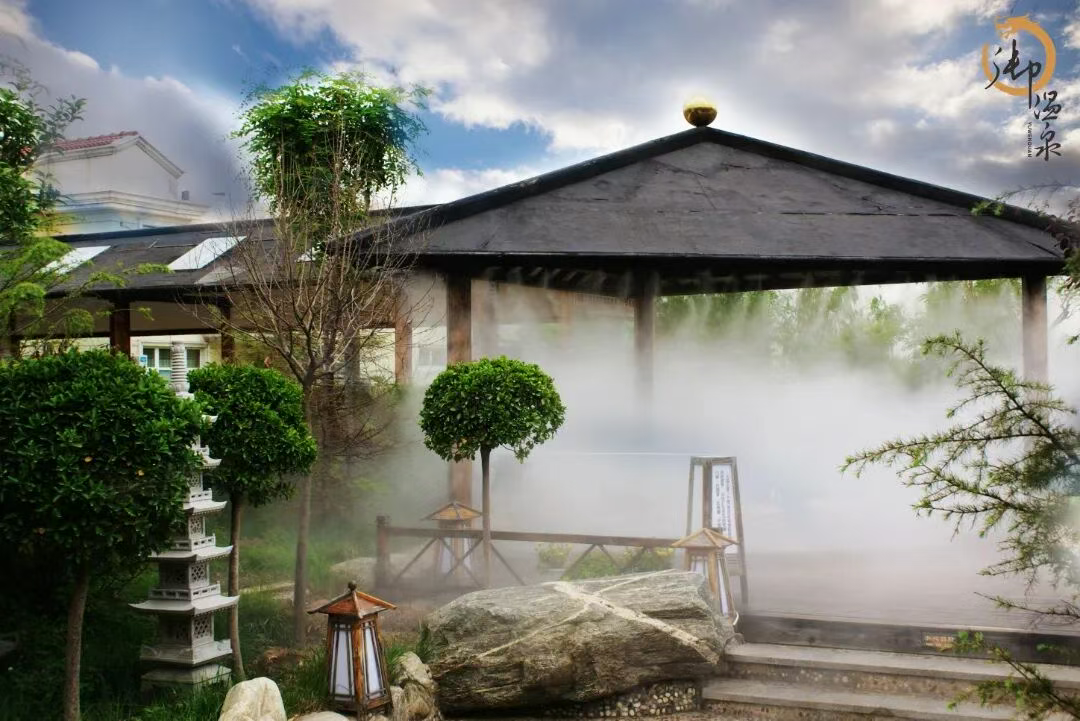
Huashan Yu Hot Spring is a hot spring theme tourist location that combines hot spring, leisure and holiday tourism. Huashan Yu Hot Spring has ample hot spring resources and its temperature is very high. In the process of constructing hot spring tourism for many years, the brand of Yu Hot Springs has made an oriental management service culture including "intelligence style and royal service" with innovative management ideals and excellent management styles. It largely gained people's trust.
주요 포인트
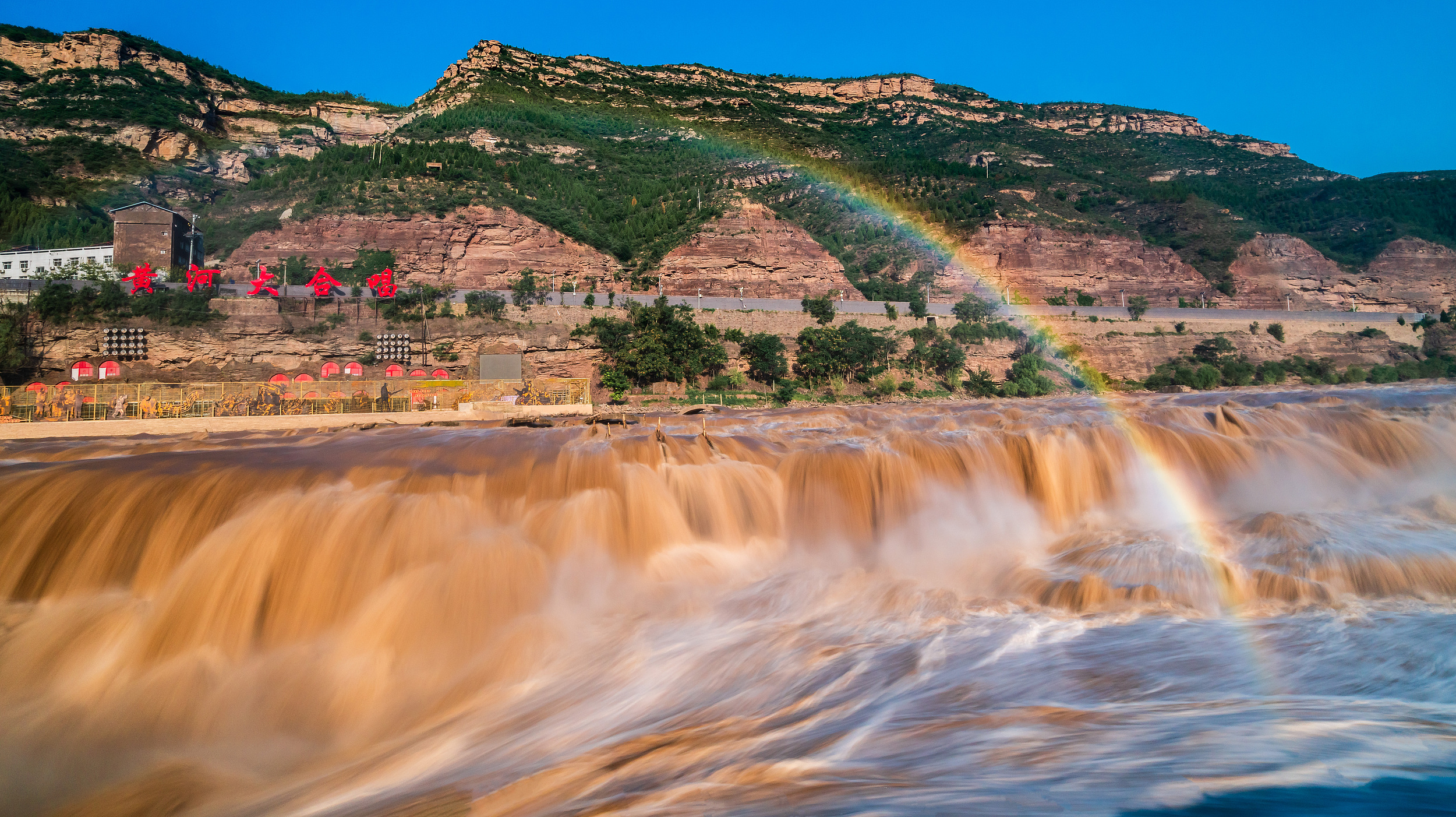
The Shaanxi Ancient Ferry Town Scenic Area is located in the southern part of a section of the core scenic area of Hukou Waterfall on the Yellow River in Shaanxi Province. Built on the site of the ancient market town of Gezhentan, it features a terraced layout of traditional Shaanxi cave dwellings, preserving the original village fabric and layout to the greatest extent possible, and recreating the once bustling market town of the Yellow River ferry. The Shaanxi Ancient Ferry Town Scenic Area enjoys a superior geographical location, approximately 5 kilometers north of Hukou Waterfall. To the north lies Mengmen Mountain, to the west is the G309 National Highway, to the east is the Yellow River, and to the south is the Yellow River Hotel. The layout is designed with two entrances for reception and service (north and south), a central village for leisure and vacation, and an eastern riverside sightseeing area. The overall space is divided into a reception and service area, a themed inn area, and a riverside experience area, providing tourists with local specialty dining, boutique guesthouses, unique souvenirs, and folk experience services. It is an important part of the Hukou Waterfall Scenic Area, effectively diverting peak tourist traffic and further enriching and deepening the cultural significance of the Hukou Waterfall's main landscape. In early summer, the scenic area is lush with flowers and trees. Standing at the "Ancient Ferry Pavilion", you can enjoy the scenery of the Yellow River, the original appearance of the Qin-Jin Grand Canyon, the wonder of the Ten-Mile Dragon Gorge, the ancient ferry site, the Mengmen Strange Stones in the close view, and the distant view of Nüjiao waiting for her husband. You can truly feel the love of Nüjiao, the wife of Yu the Great, who leaned on the ferry and longed for her husband's return.
주요 포인트
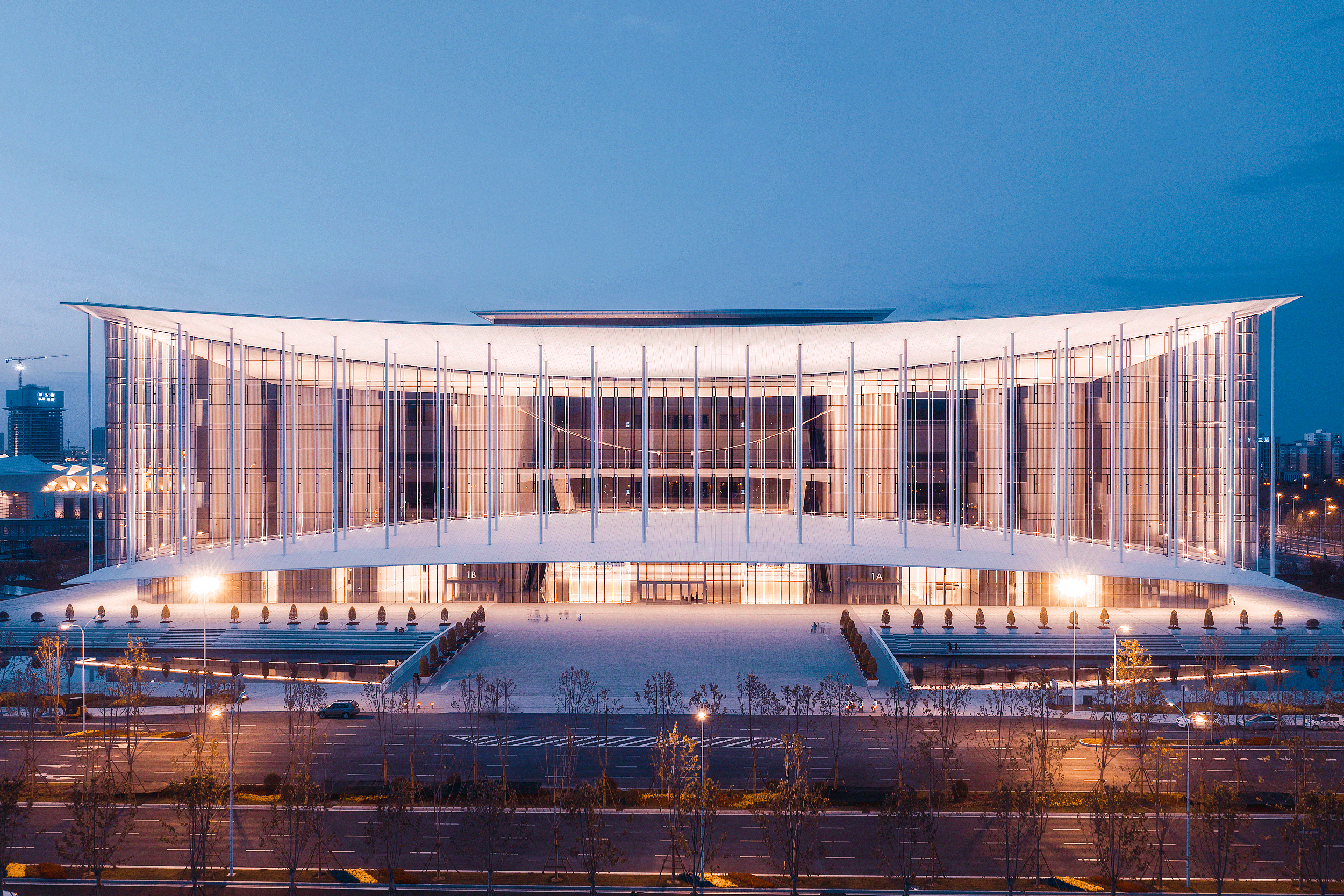
Xi'an International Convention and Exhibition Center is a large-scale convention and exhibition center newly built in Xi'an in 2020. The Qujiang International Convention and Exhibition Center, originally located in Yanta District, Xi'an, was officially demolished in June 2020. The newly built Xi'an International Convention and Exhibition Center is located on the banks of the Ba River in Xi'an, adjacent to the Xi'an World Expo Park.The entire international convention and exhibition center is divided into two major parts: the conference center and the exhibition center. After full completion, the indoor area will reach 300,000 square meters. It is a large-scale comprehensive venue for various activities such as exhibitions, conferences with tens of thousands of people, sports events, cultural performances, etc.
주요 포인트
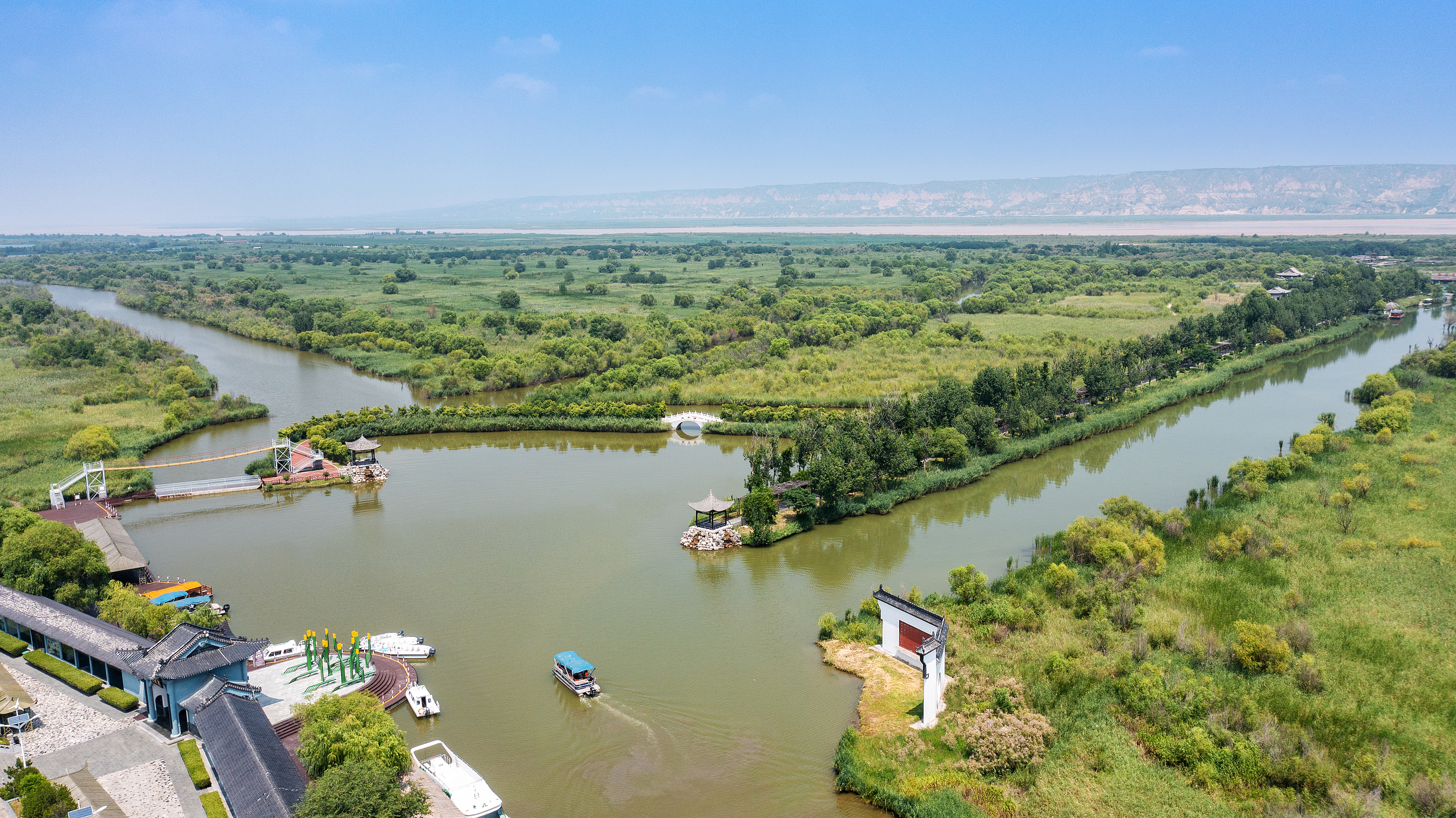
Qiachuan Scenic Area is located in Heyang County, Weinan City. It is a large riverside hot spring in the Yellow River Basin. The scenery here is very beautiful, complete with chirping birds and fragrant flowers, and there are also lush green mountains and hot springs. Qichuan Scenic Area covers several attractions such as Virgin Spring, Xiayang River, Yellow River Soul, and Fu Mountain. There are more than 100 kinds of nationally protected animals to be found here, including the white swan, red-crowned crane, black stork, and giant bustard. Inside the scenic area, visitors can also ride in a speedboat, amble along in a slower-moving boat, or ride a horse through the reeds.
주요 포인트
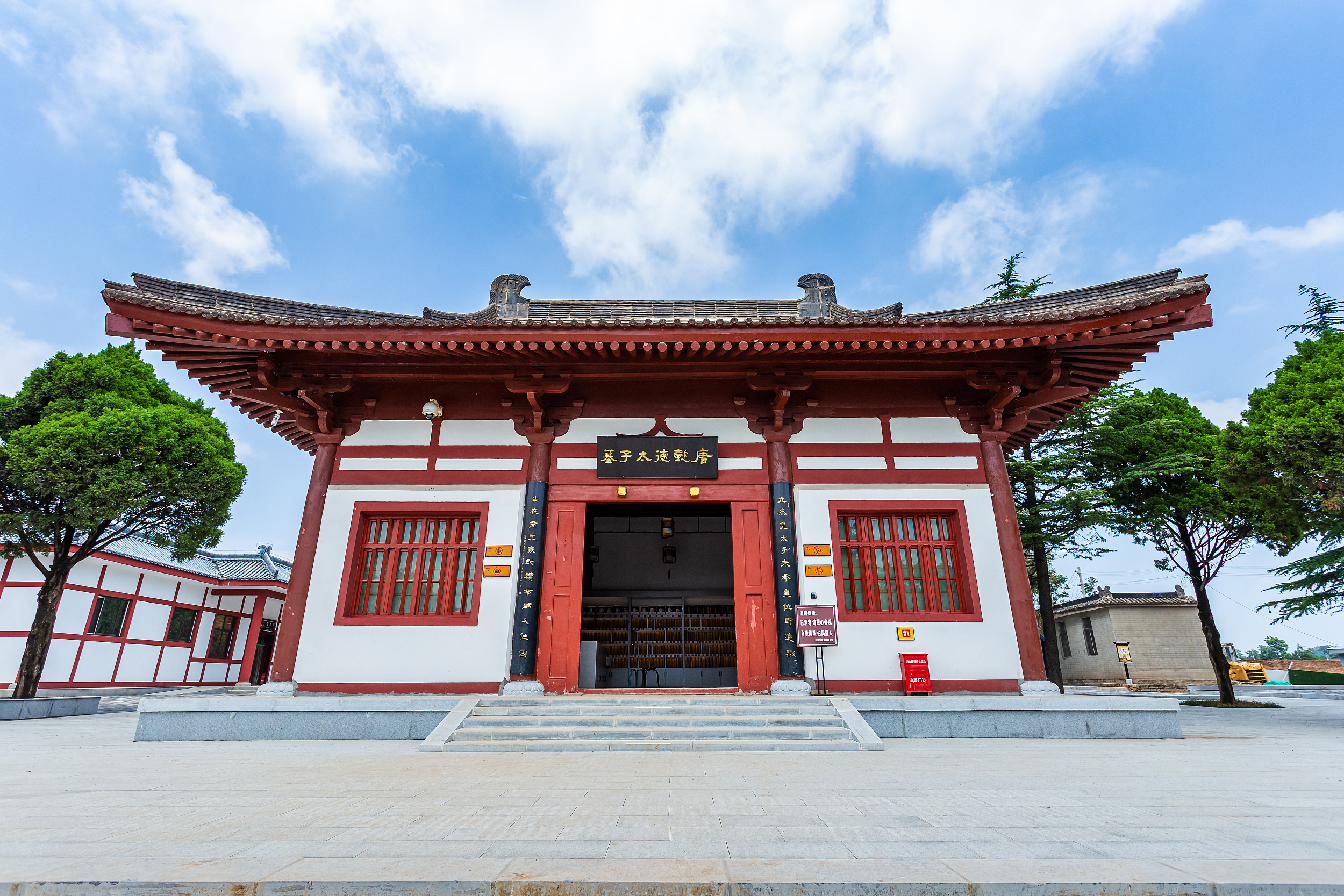
The Tomb of Prince Yide is the tomb of Li Chongrun, the eldest son of Li Xian, the Zhongzong Emperor of Tang, and Empress Wei, the grandson of Emperor Gaozong of Tang and Empress Wu Zetian. It is an earthen tomb close to Qianling Mausoleum, and is also the largest, highest-standard, and imperial-level tomb among the Tang Dynasty tombs excavated so far.Prince Yide Li Chongrun was "beaten to death" in Luoyang because he secretly discussed Wu Zetian's private life in her later years with his sister Princess Yongtai and brother-in-law Wu Yanji. In 705 AD, Li Xian, the Zhongzong Emperor of Tang, ascended the throne and posthumously named him the crown prince, with the posthumous name "Yide". In 706 AD, his coffin was moved from Luoyang to Shaanxi, "called the tomb as a mausoleum", and buried with the Qianling Mausoleum with imperial rites. The tomb passage is 100.8 meters long and 3.9 meters wide. It consists of a tomb passage, six passages, seven patios, eight toilets, front and back corridors, and front and back tomb chambers. The most valuable things in the tomb are the murals. These murals are rich in content, colorful, and full of life. They fully demonstrate the momentum and environment of the heyday of the Tang Dynasty, provide very important physical materials for studying the history and culture of the Tang Dynasty, and also show people the superb artistic attainments of Tang Dynasty painters and the highly developed painting level in China nearly 1,300 years ago.
주요 포인트
Want to visit these attractions?
Tell us your interests and we will build the perfect itinerary around them.