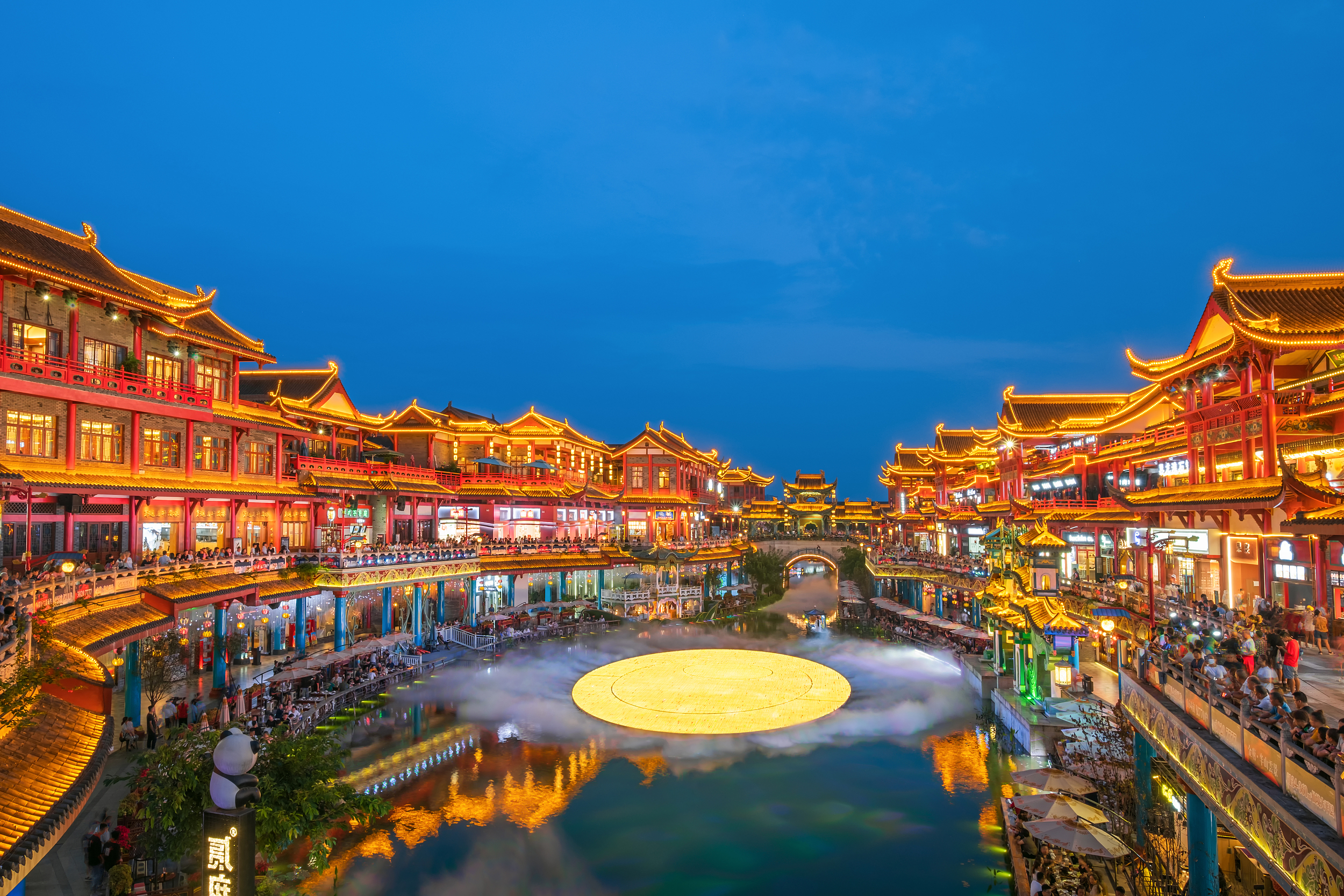
Dongpo Impression Water Street has many Song Dynasty-style ancient buildings, connected by several arch bridges. There is a stage in the center of the water street where performances are held at night. Visitors can sit in an open-air restaurant and enjoy the food while watching the performances.
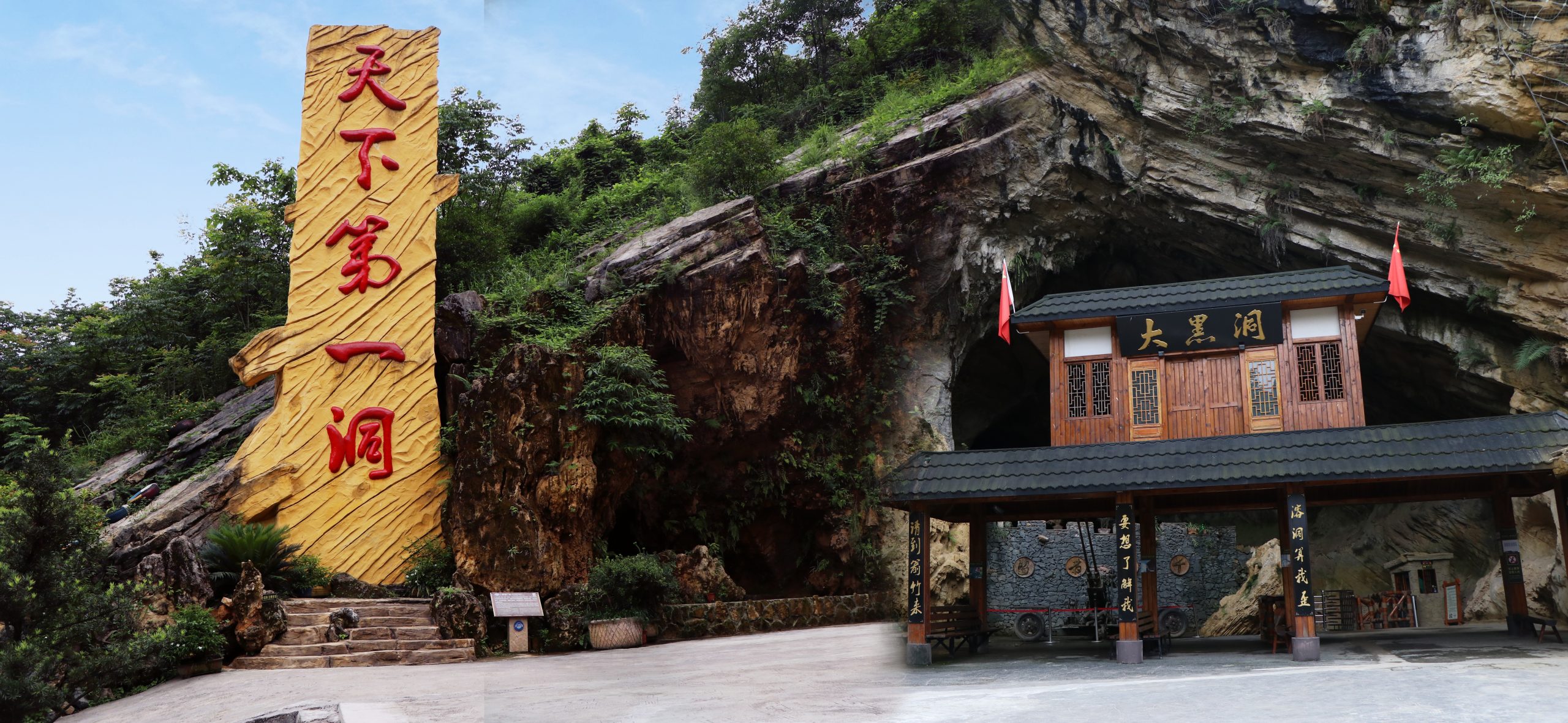
The national AAAA-level tourist Attraction, Daheidong Attraction, is located in Jianzhu Township, Gulin County, Sichuan Province, at the junction of Yunnan, Guizhou, Sichuan and Chongqing, 1,000 meters above sea level, 110 kilometers away from Luzhou, and is the western gate to Gulin. The Attraction is a typical representative of karst topography, consisting of the Duodi Miaoling on the ground and the Daheidong and Niuwangdong underground.The wonders of the caves are the best in the world, and every step brings you a new surprise. The Big Black Cave has a variety of landscapes, and the stalactites are even more amazing. The huge caves are intertwined with the mysterious Yin River, creating many unique entertainment projects such as the first geocentric drifting, cliff swings, step-by-step, and Internet celebrity swings in China.The location of the Attraction has been rated as a Chinese traditional village and a model site for ethnic unity. It contains rich national intangible culture and highlights the unique daily cultural customs of the Miao people. The regular Miao festivals add icing on the cake to the ethnic feast. It is also a research base for geological culture and folk culture.The center of the Big Black Hole contains a shocking history of bandit suppression and magical ancient legends, waiting for you to uncover its mystery during your visit.
3–5 hours
From USD 5.47
주요 포인트
Natural sceneryNo. 3 of Cool Water Escapes in Luzhou
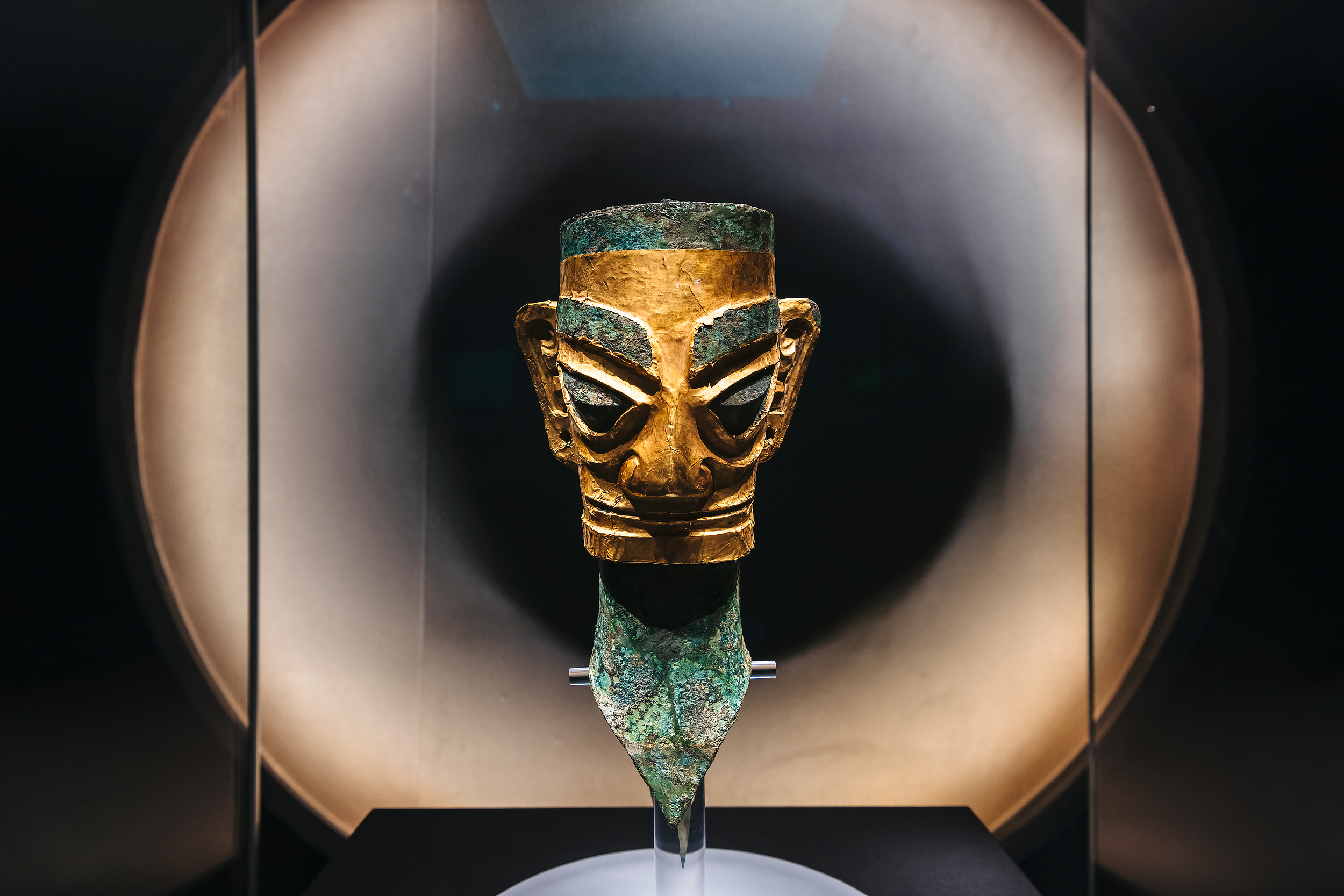
Sanxingdui Museum - Exhibition Hall 1The exhibition showcases a diverse collection of cultural relics including gold, bronze, jade, stone, and pottery artifacts. Organized thematically to convey deeper meanings, it presents a comprehensive overview—both chronologically and across disciplines—of the ancient Shu civilization's history and Sanxingdui's remarkable achievements. The centerpiece is a panoramic hanging screen of the Sanxingdui ruins, complemented by a sculptural installation inspired by the mythical creatures at the base of an altar and a grand mural titled "Cradle of Yangtze River Civilization." Together, these elements highlight the profound legacy of Sanxingdui as the preeminent representative of upper Yangtze civilizations.
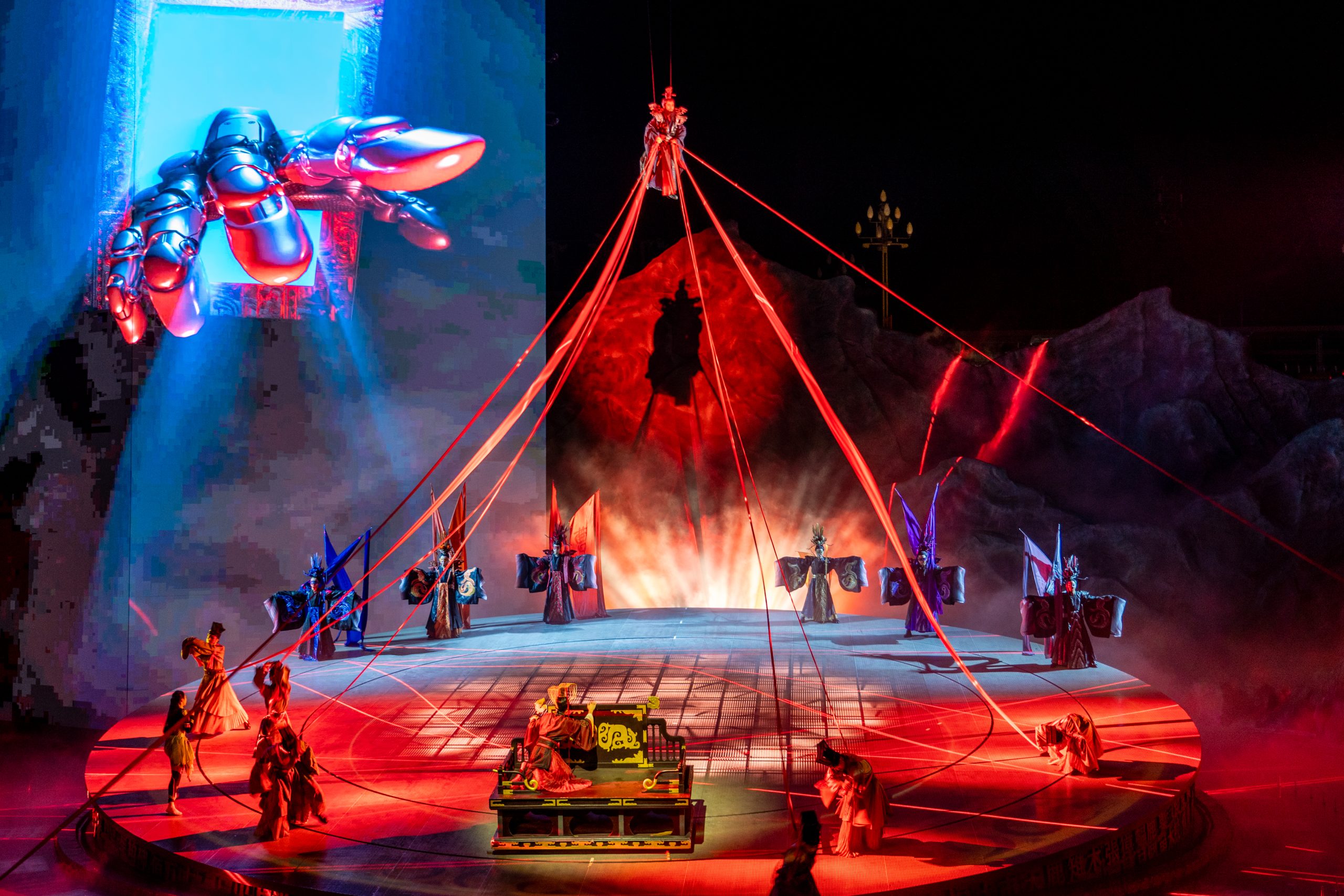
Dashu Road Never-Sleeping Three Kingdoms City is a comprehensive cultural attraction themed around the Three Kingdoms period, located in Sichuan Province, China. This attraction blends historical culture with modern entertainment, offering a variety of amusement facilities, spectacular performances, and interactive experiences. Visitors can immerse themselves in the atmosphere of the Three Kingdoms era and participate in activities like horseback riding and archery, making it ideal for families and friends. The attraction also features a food street and shopping area, serving authentic Sichuan cuisine and unique souvenirs.
3–5 hours
From USD 0
주요 포인트
Amusement parksNight viewNo. 2 of Night Attractions in Guangyuan
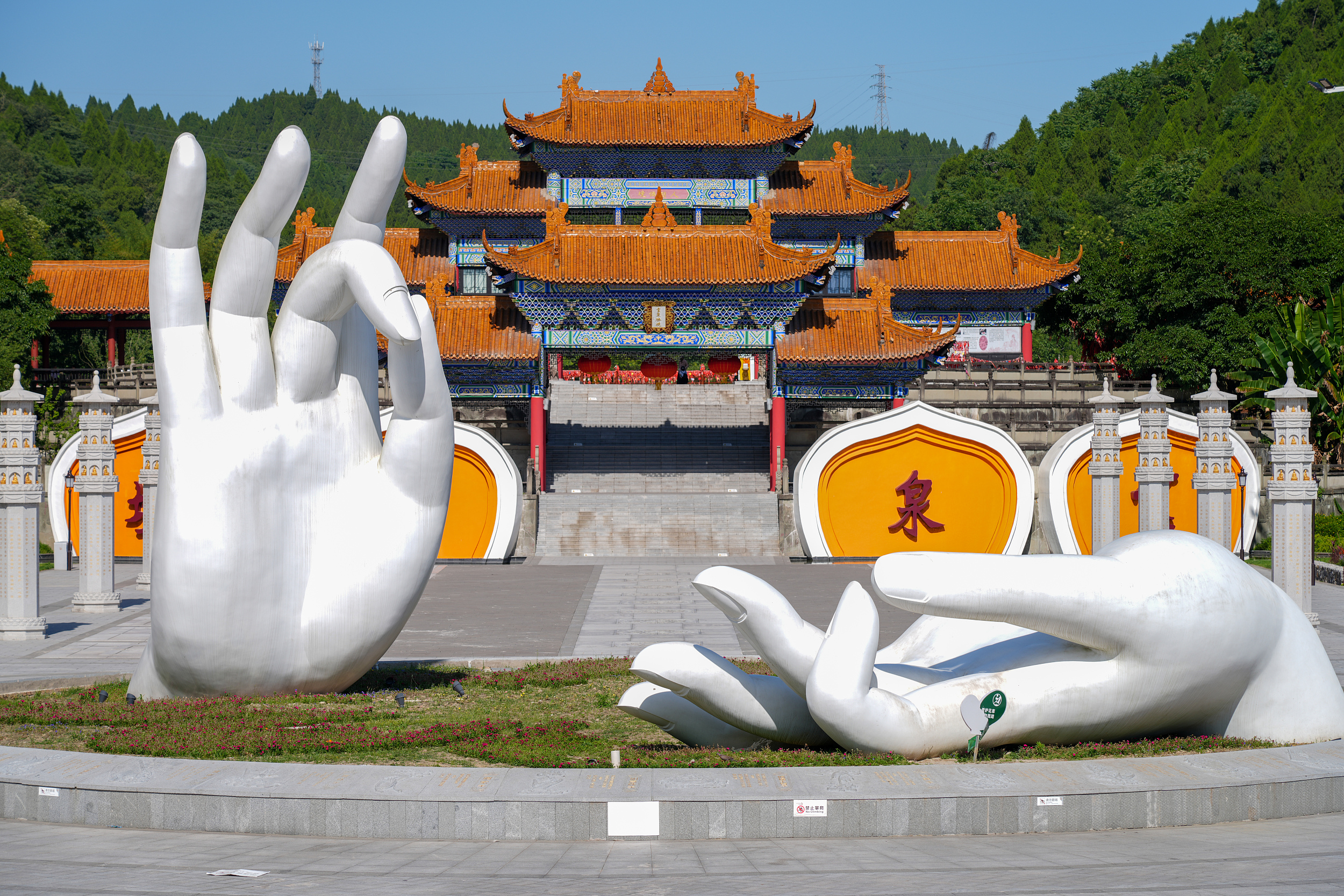
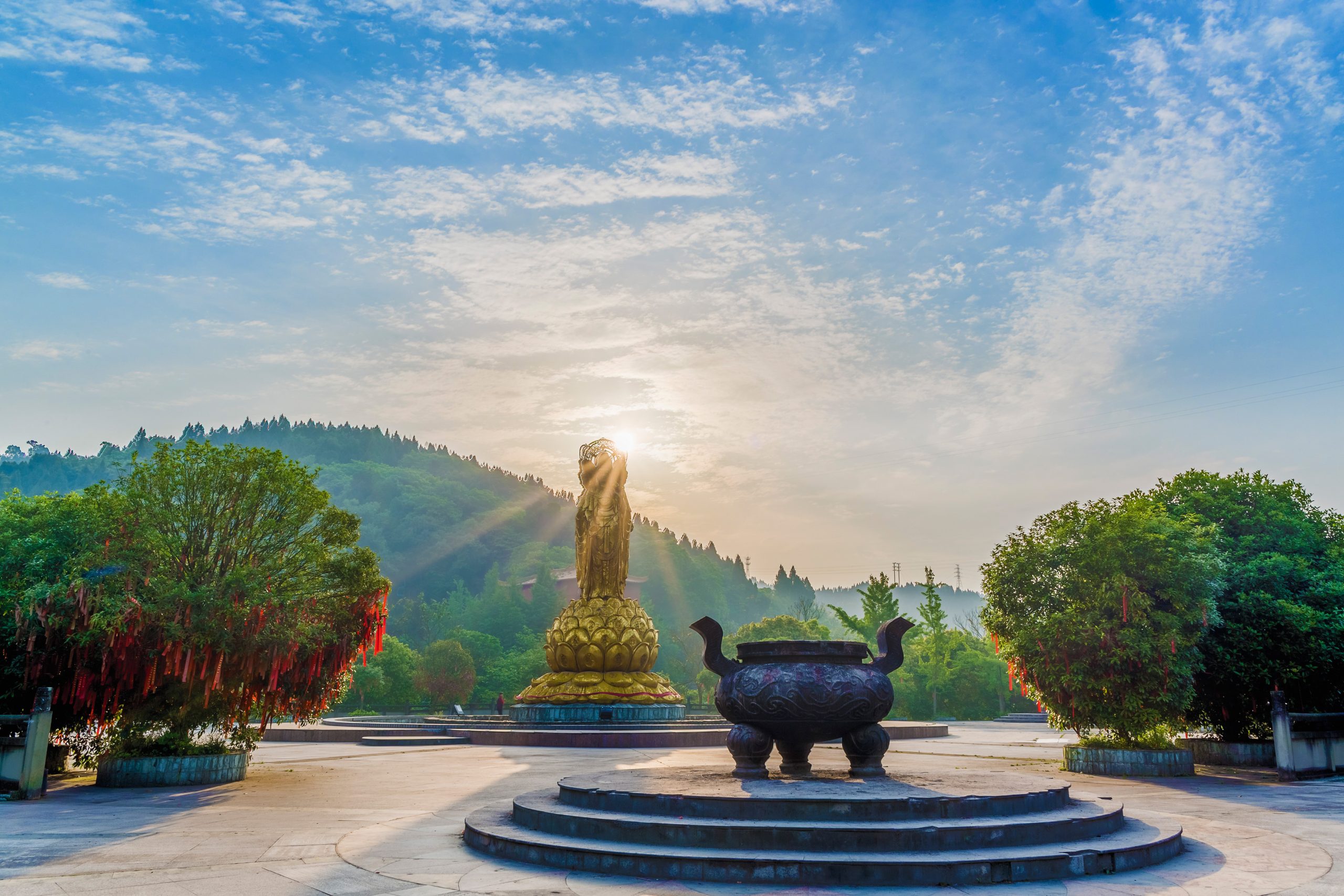
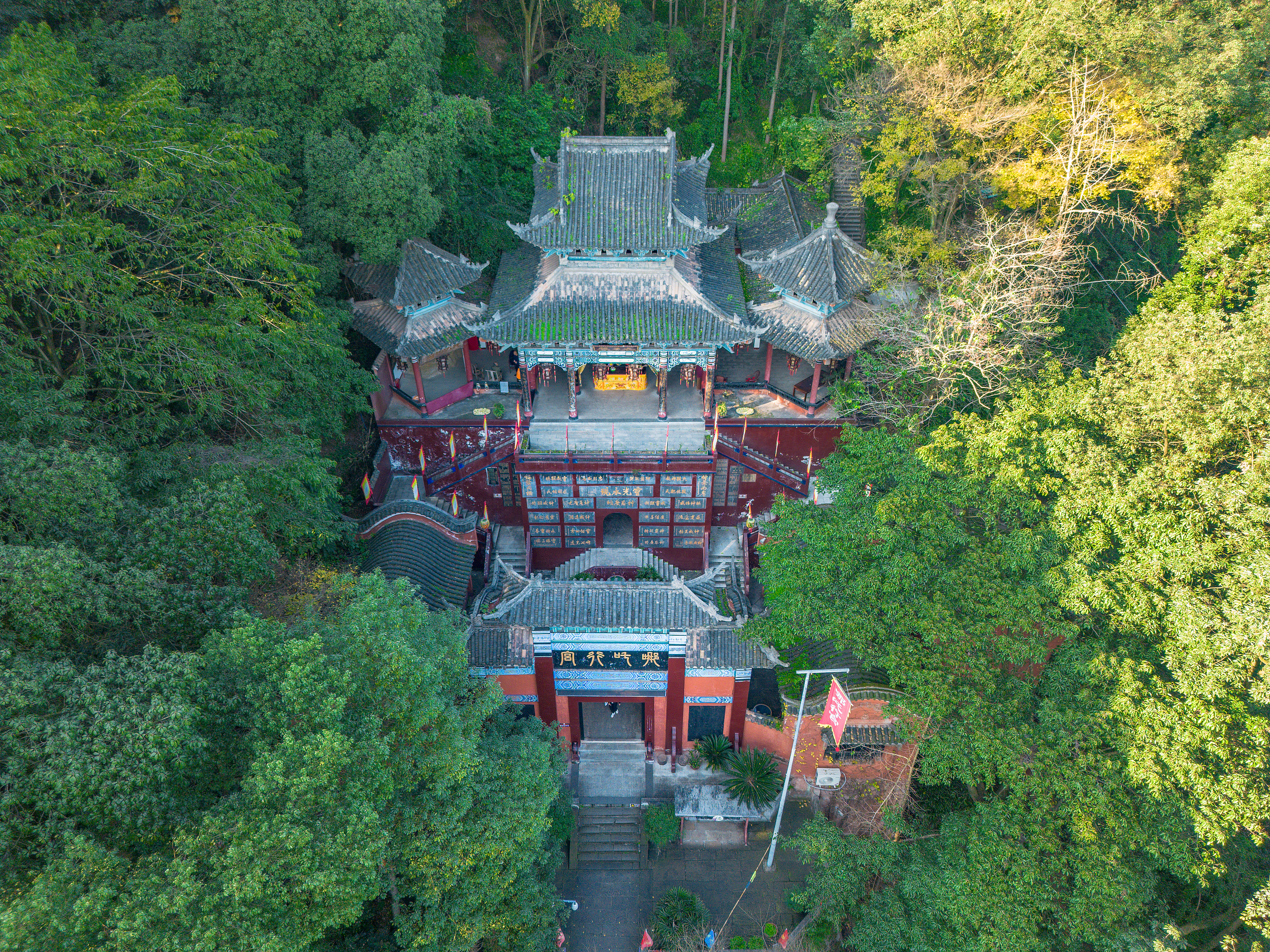
The Holy Water Temple is located in Lingquan Mountain, Chuanshan District, Suining City, Sichuan. Across Fujiang River is Guangde Temple. The Holy Water Temple is composed of the Holy Water Buddhist culture area and the Holy Water cultural leisure area. In the Buddhist culture area, tourists can visit various Buddhist buildings such as Guanyin Pavilion, the Hall of Kshitigarbha and the Hall of Five Buddhas. The Holy Water cultural leisure area boasts farming culture, a planting garden and Holy Water village, making it a good place for leisure and entertainment.
China Guanyin Hometown Tourist Area is located in Suining City, Sichuan Province.SuiningThe Guanyin culture of the Guanyin Hometown Tourism Area of China has a long history and deep roots among the people. The thousand-year-old folk song "The three sisters of Guanyin Bodhisattva, eating from the same pot but practicing separately, the eldest sister practices in Guangde Temple, the second sister practices in Lingquan Temple, but the third sister practices far away, practicing in Putuo Temple in Nanhai" is widely known in the world.SuiningIt is widely known in Souvenir areas. Guangde Temple is located at the foot of Wolong Mountain, two kilometers west of Suining City. Bus No. 5 in the city can directly reach the Attraction. It is a famous royal Zen temple and a famous Buddhist holy place in the west. It was first built in the Tang Dynasty and the existing buildings are from the Ming Dynasty. Lingquan Temple is located 2 kilometers east of Suining City, Sichuan Province. Buses 1, 3, and 8 go directly to the Attraction. Lingquan Temple in the scenic area was first built in the Kaihuang period of Sui Dynasty (598). The temple was built on the mountain with a construction area of 7,100 square meters. Lingquan Scenic Area is centered on Lingquan Temple. It is famous for its secluded mountains, beautiful temples, sweet springs, and unique cypresses. It is known as Lingquan Scenic Spot and one of the twelve scenic spots in Suining. The forest coverage rate of the Attraction is 93.3%, and there are nearly 10,000 rare red bean trees and century-old cypresses, nanmu trees, and banyan trees under national protection.
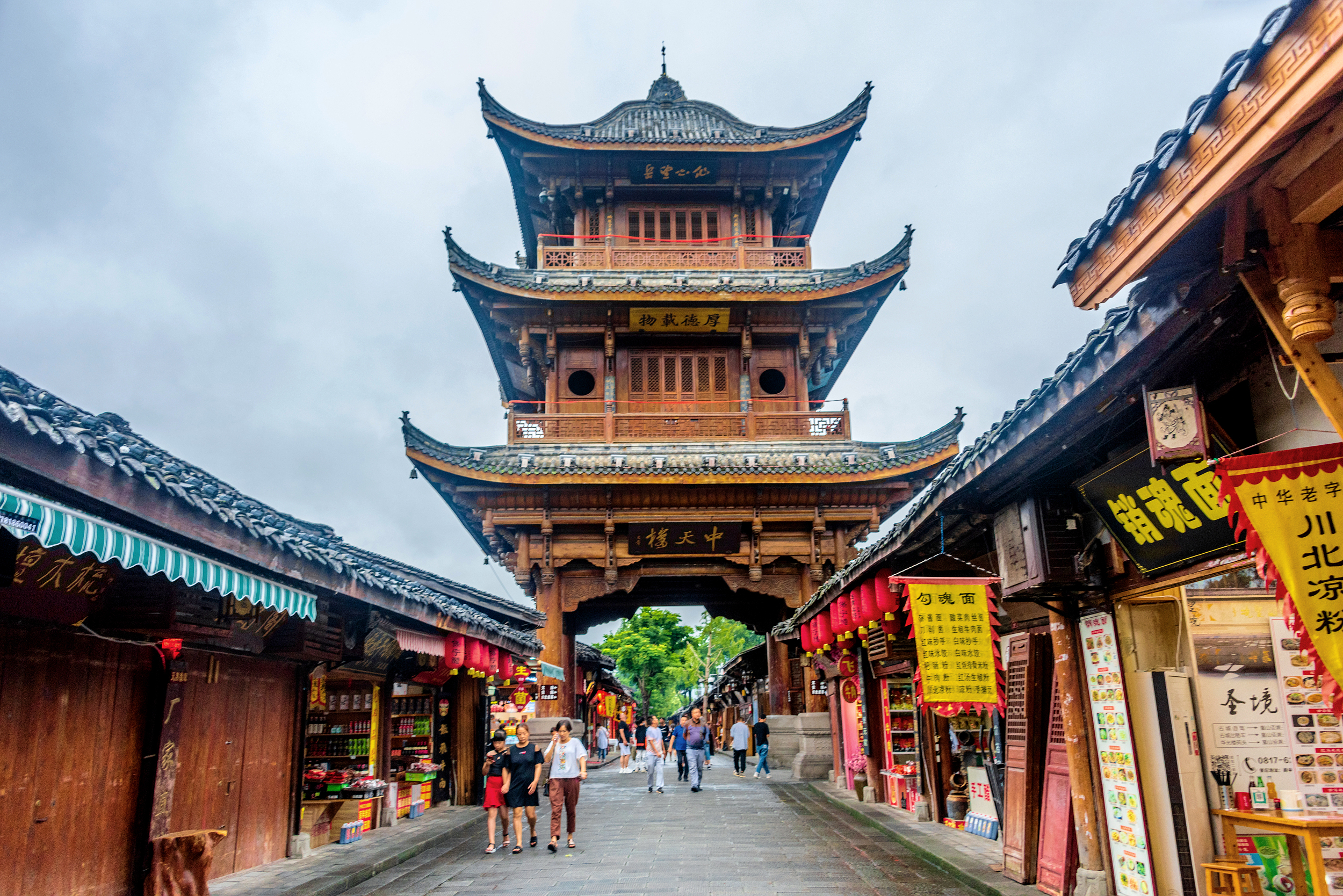
Zhongtian Tower is a three-story wooden building in the architectural style of Ming and Qing Dynasties, which was built in the Tang Dynasty. It is 25 meters high and rises from the ground in a large ancient city area. It is magnificent and beautifully built. Zhongtian Tower is the geographical location and layout of Langzhong Ancient City. The streets of the ancient city are centered on it, showing the "Ten Roads of Tianxin" spreading out in all directions, so it is also called the "geographical center of Langzhong". Zhongtian Tower is located at the intersection of Shuangzhazi Street, North Street, West Street and Wumiao Street in Langzhong Ancient City. It is also known as the Four-row Building, one of the twelve buildings in Langyuan, and is the environmental layout coordinate of the ancient city. Zhongtian Tower was built in the Tang Dynasty and was later destroyed. It was rebuilt in 2006. It is 20.5 meters high, with three floors and four doors. It is magnificent and impressive, coordinated and unified with the landscape of the ancient city. You can enjoy her beauty from all four directions of the ancient city; climb to the top of the building, the field of vision is wide, and the environmental pattern of the ancient city is in full view.
Golden Sand Beach, also known as Golden Scale Beach, is a paradise for children. In the cold night in the north, I feel like spring all year round, and you are tanned on the golden sandy beach of Xichang. There are two places in Xichang that are easy to get tanned, one is a small fishing village and the other is the golden beach. The sun on the golden beach is big. Before the first month of the month, children will play in the water in swimming suits, and they will catch small fish and shrimps at the beach with bare feet and trousers rolled up. The water of the golden beach is relatively clean along the Qionghai Sea, and the small conch shells warmly bake the sun on the shallow sand.
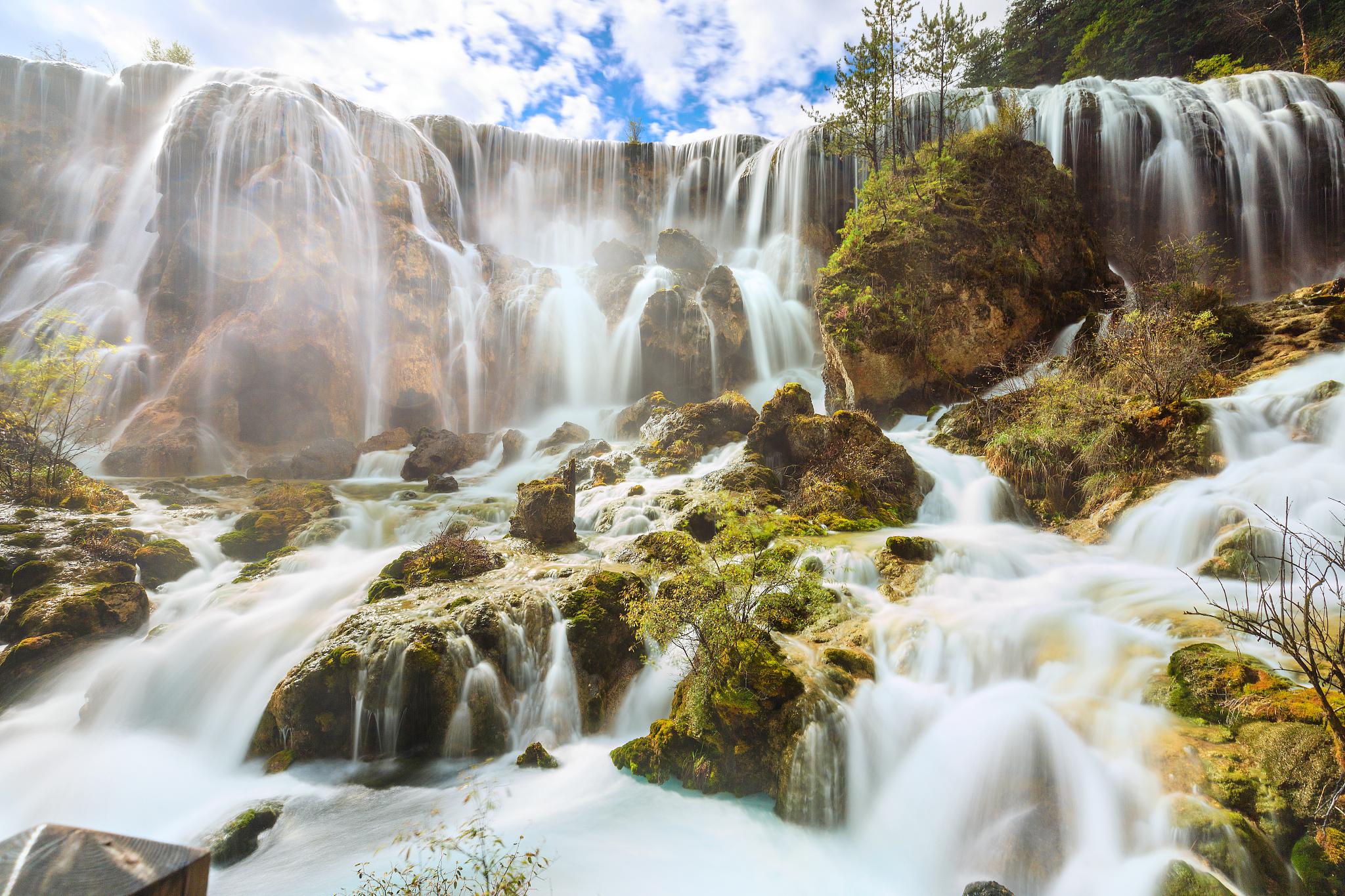
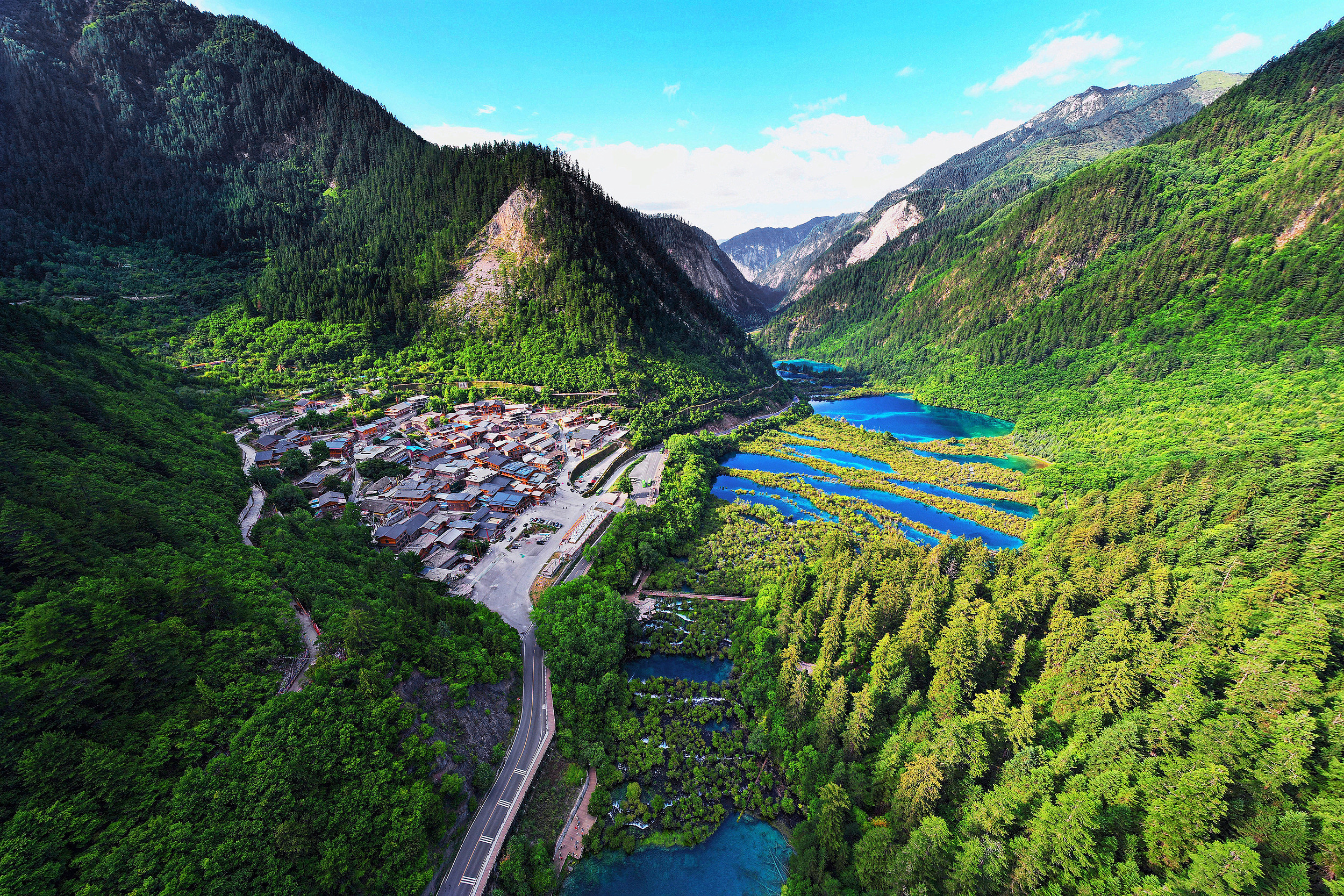
Pearl Beach Waterfall is the largest travertine waterfall in Jiuzhaigou. It comes from the melted snow in the mountains. It rushes into the valley from a height of 21 meters, roaring like thunder and rolling up thousands of waves. The water of this rapid is white, and it is the most powerful and noisy of all the rapids in Jiuzhaigou. The plank road on the left side of the rapids is a good spot to watch the waterfall. Pearl Beach Waterfall is located between Mirror Lake and Golden Bell Lake. The air at the bottom of the waterfall is fresh and the forest is lush. Walking on the plank road and accompanied by the rapids, continue to go east to the east side of Pearl Beach. The water of the waterfall cannot be drunk because of its high sulfur content.
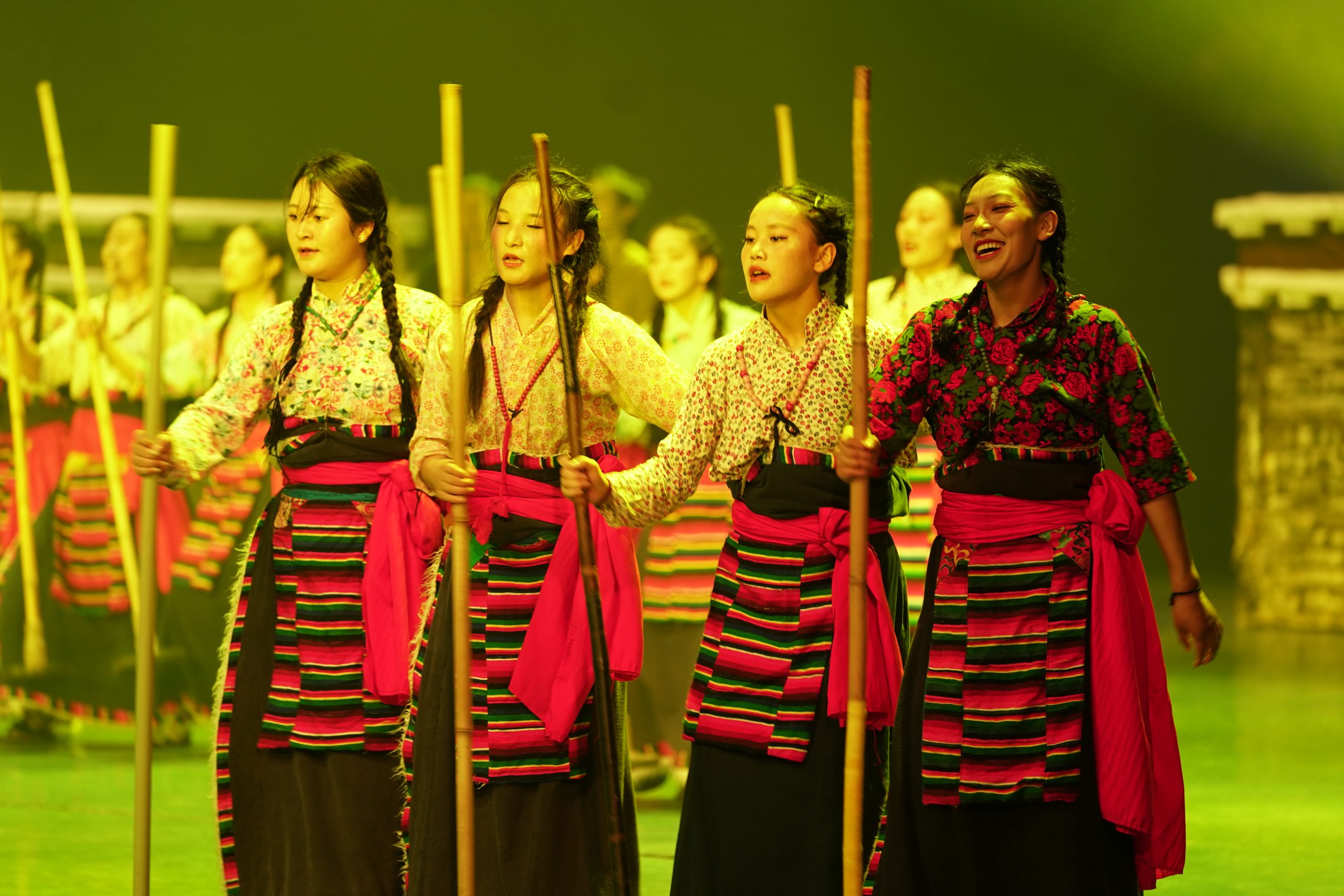
Jiuzhaigou County Tibetan Mystery Culture Communication Co., Ltd. (formerly Jiuzhaigou Rongzhongerjia Culture Communication Co., Ltd.) invested nearly 100 million yuan to build the Jiuzhaigou Tibetan Mystery Theater, which can accommodate 2,035 people. Its core performance "Tibetan Mystery" is a large-scale Tibetan original ecological song and dance music program. The program is produced by Rongzhongerjia, and the famous dance artist Yang Liping is the chief director and artistic director. The song and dance show the Tibetan cultural colors in their original flavor. It is the first song and dance poem in China that presents Tibetan culture in a situational manner. The large-scale Tibetan original ecological song and dance music "Tibetan Mystery" is a pure Tibetan large-scale song and dance music that covers different styles in various Tibetan areas in China and is rich and colorful. It is divided into four scenes: showing mystery and customs; the second scene of labor, depicting romance and colorfulness; the third scene of competition, full of reverie and joy; the fourth scene of reincarnation, the stage performance elements involved in the song and dance music are all derived from the collection and arrangement of Tibetan original ecological music, dance, instrumental music, costumes, and props. The program content is rich and colorful, and it is shocking. The rhythm is sometimes high-pitched and strong, sometimes lingering and sad, and the scene is grand and spectacular. It depicts a mysterious, broad, long-lasting and brilliant Tibetan style through songs, dances and music, including religious music, costume performances, thangka art and Tibetan singing, playing and singing, rap, Lai, pastoral songs, tap dance, string dance, yak dance, Guozhuang, etc., accompanied by horse-head fiddle, mandolin, stringed fiddle, dama drum, horn, drum, ocarina, eagle flute, etc. It can be said that "Tibetan Mystery" is a work that concentrates on the culmination of Tibetan songs, dances and musical instruments, and is a key to unlock the secrets of Tibetan culture. In 2007, the musical "Tibetan Mystery" was rated as one of the "Nine Excellent Tourism and Cultural Programs in China" by the Brand Review Center of the "China Culture Daily" of the Ministry of Culture of the People's Republic of China, ranking seventh in the country. In 2010, it was selected as a project in the "National Cultural Tourism Key Project List-Tourism Performance Category". In 2010, it was awarded the "Five One Project Award". In 2011, it was rated as one of the "Top Ten Cultural and Creative Tourism Performance Projects in China" by the China and Foreign Tourism Culture Association. After application by local organizations and review by relevant departments, the Ministry of Commerce, the Central Propaganda Department, the Ministry of Finance, the Ministry of Culture, the State Administration of Radio, Film and Television, and the General Administration of Press and Publication jointly identified it as a national key cultural export project for 2011-2012.
Visitors are able to experience and enjoy both human and flower leisure experiences through one of the many awaiting adventures. They can choose to visit the Huatian flower fields, explore the Flower Science Museum, take in a performance at the Huahai Theatre, play in Hobbit Children's Area, or experience tourism via helicopter. Here visitors will be able to relax and enjoy the refreshing air that is full of fragrant flowers and even stop to take memorable photographs. Visitors with children are encouraged to check out the Simulated Dinosaur and the Hobbit Children Experience Zone for a fun family friendly experience. You can also enjoy one of the many foreign style performances that are performed in the scenic area to truly immerse yourself in the experience.
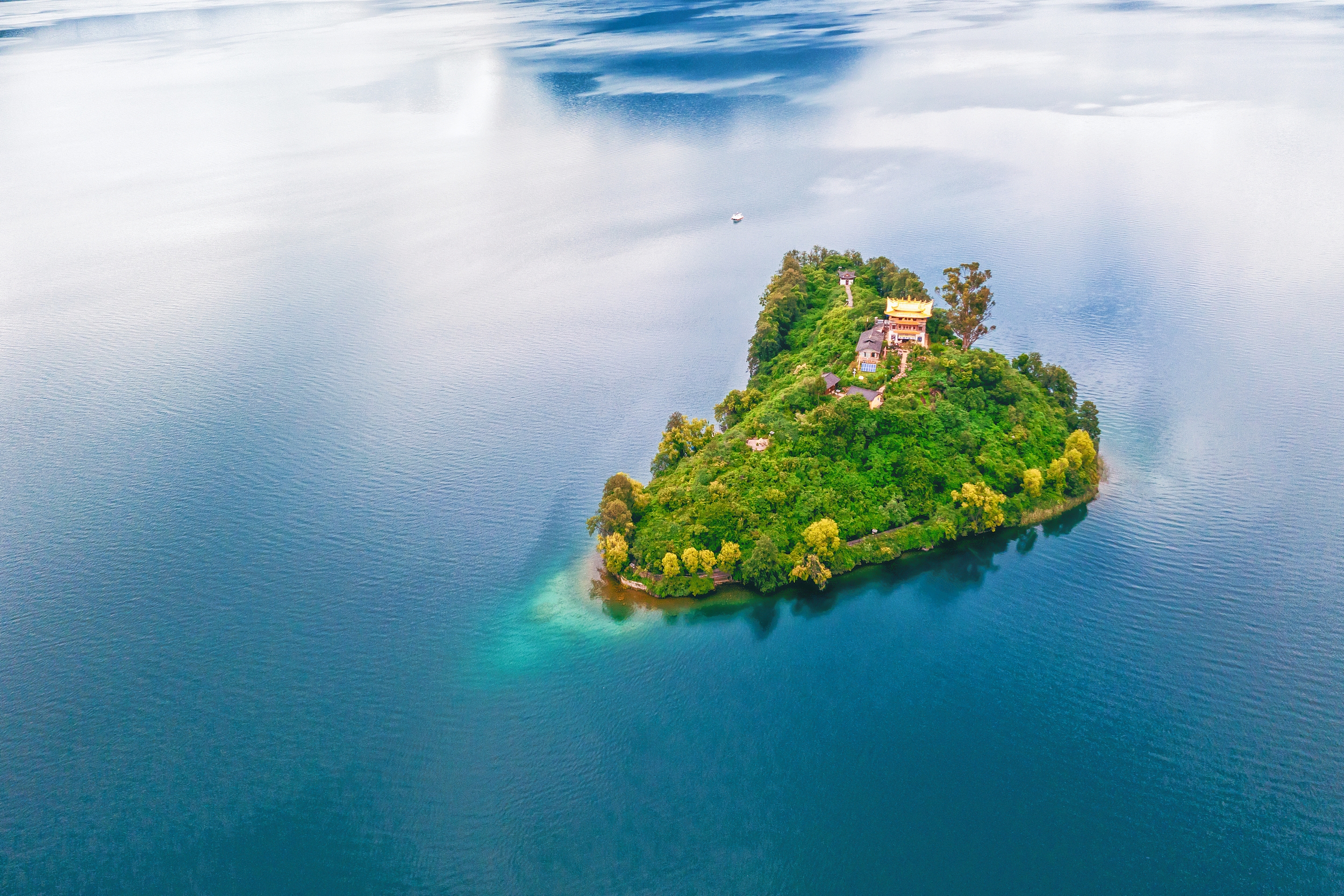
Located on the south-central side of Penghu, Liwubi Island is a famous small island in Penghu. The island is full of trees, many rhododendrons and wild cherry trees, and a Buddhist temple in the Tibetan Buddhist temple. It is a popular spot for viewing and worshipping Buddha. The tour of the island is usually from the Great Falls Pier and arrives by boat. After going up the island, you can look around the lake and have a beautiful view. The temples and white towers on the island are full of incense, and every time there are Tibetan festivals and Buddhist festivals, local people will pray for blessings.
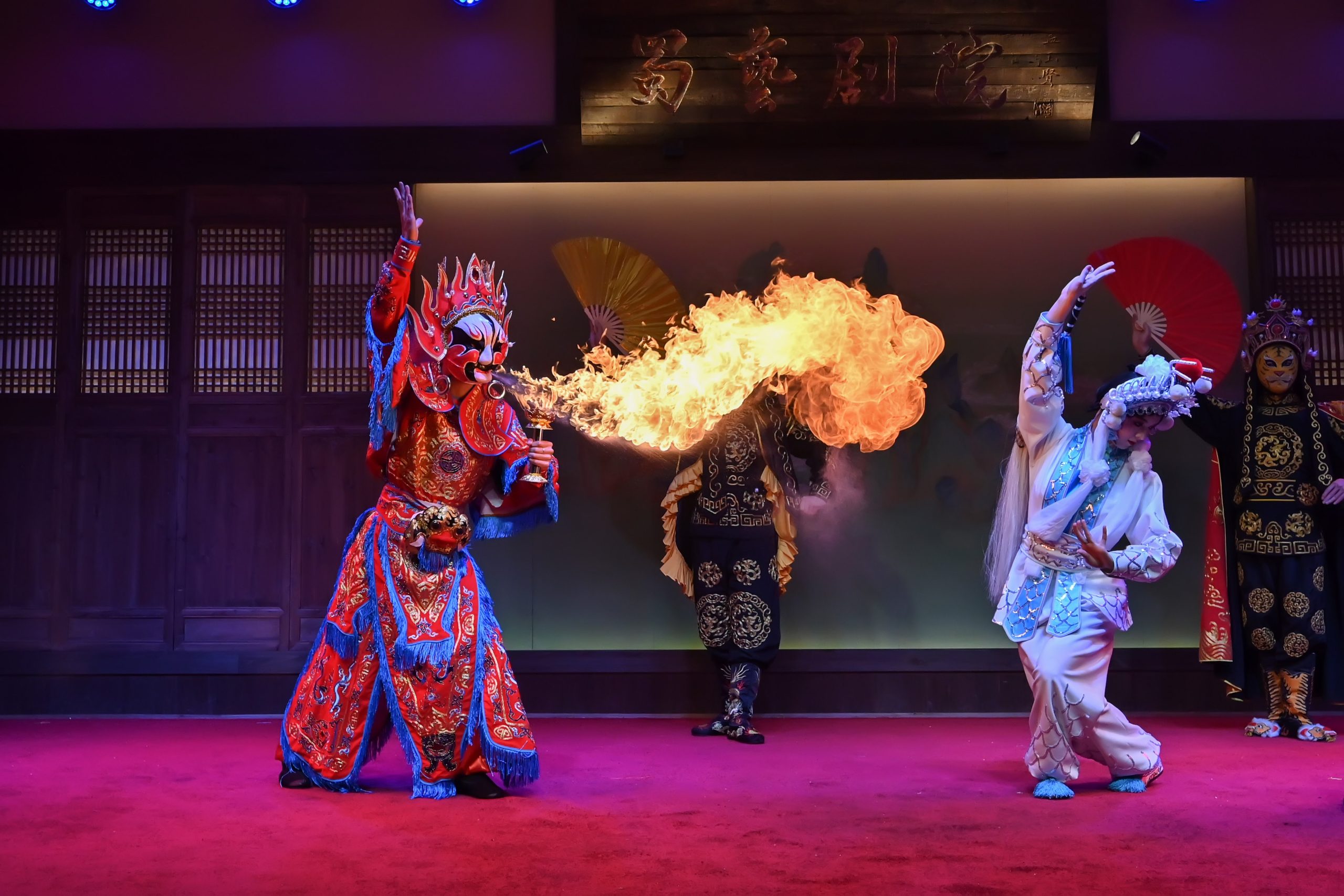
Sichuan opera performances are mostly based on historical stories, folk legends and real life. The scripts have profound humanistic connotations and social values. Through the performances of Sichuan opera, the audience can not only appreciate the wonderful performing arts, but also learn about China's history and culture. Shuyu Theater is an important place to display and inherit Sichuan opera culture. In the theater, the audience can enjoy authentic Sichuan opera performances and feel its unique artistic charm. The theater is equipped with a special stage, lighting equipment and sound system to provide the actors with the best performance conditions. The audience can enjoy the performance in comfortable seats, and also enjoy high-quality services and food. Shuyu Theater not only has professional Sichuan opera actors performing, but also carries out various Sichuan opera cultural activities, such as exhibitions and performances, etc. These activities are aimed at deepening the audience's understanding and experience of Sichuan opera culture and promoting the inheritance and development of Sichuan opera culture.
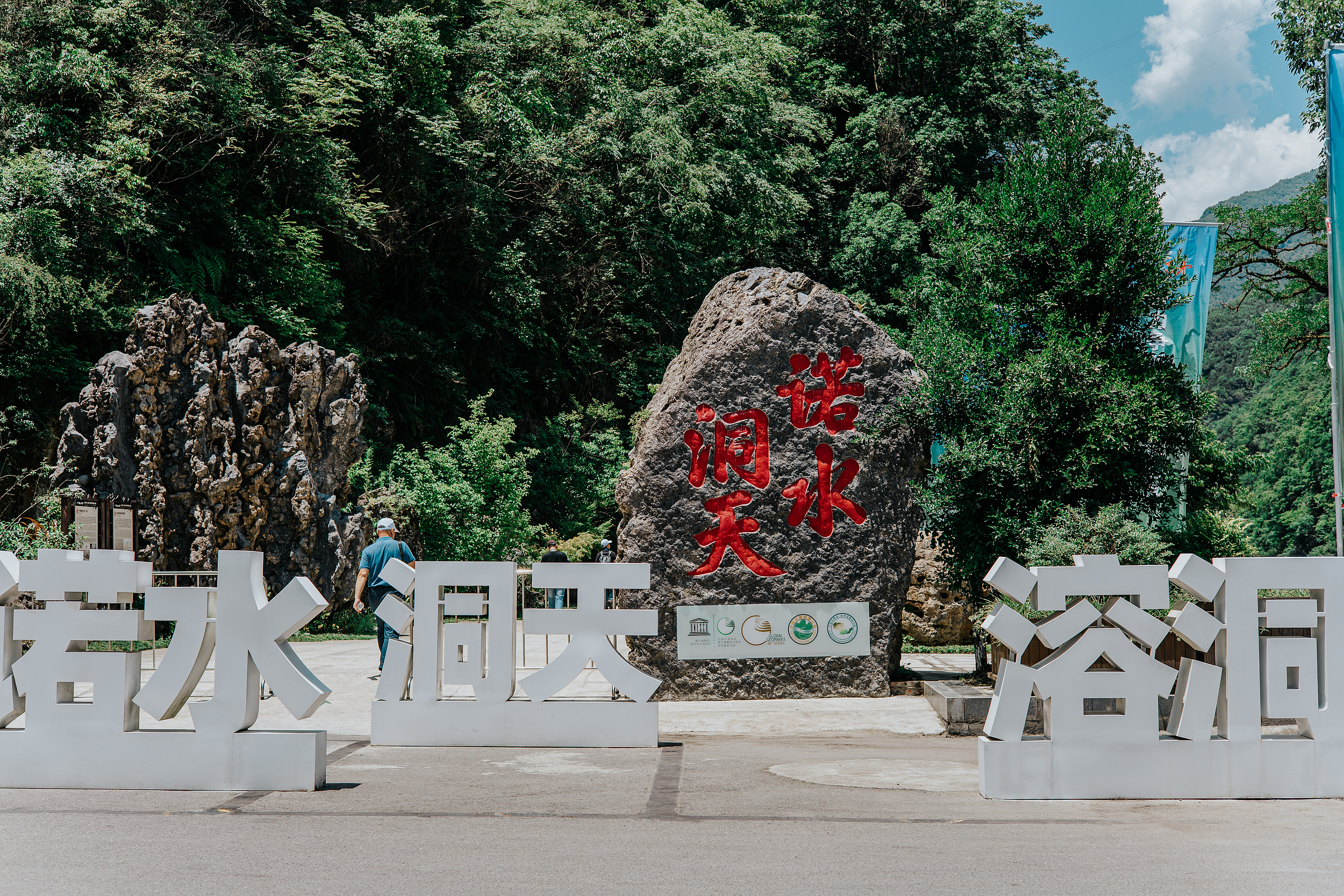
Nuoshui River Scenic Area is located in the northern part of Tongjiang County, Bazhong City, Sichuan Province, at the border between Sichuan and Shaanxi. It serves as the core component of the Guangwushan-Nuoshuihe UNESCO Global Geopark. Covering approximately 221 square kilometers, this attraction is renowned for its karst landscape, featuring 128 caves and 88 underground rivers, earning it the title "World Karst Cave Expo and China's Cave Museum." The "Bieyou Dongtian Cave Cluster" stands as its most representative view, with explored passages extending over 20 kilometers. The caves maintain a constant temperature and humidity, densely adorned with stunning formations like stalactites, stone pillars, and subterranean rivers. Over 300 developed scenic spots—such as "Dongting Water Palace," "Ancient Loulan City," and "Shouting Spring Flying Rain"—offer breathtaking sights.
0.5–1 day
From USD 16.23
주요 포인트
Natural sceneryNo. 2 of Cool Water Escapes in Bazhong
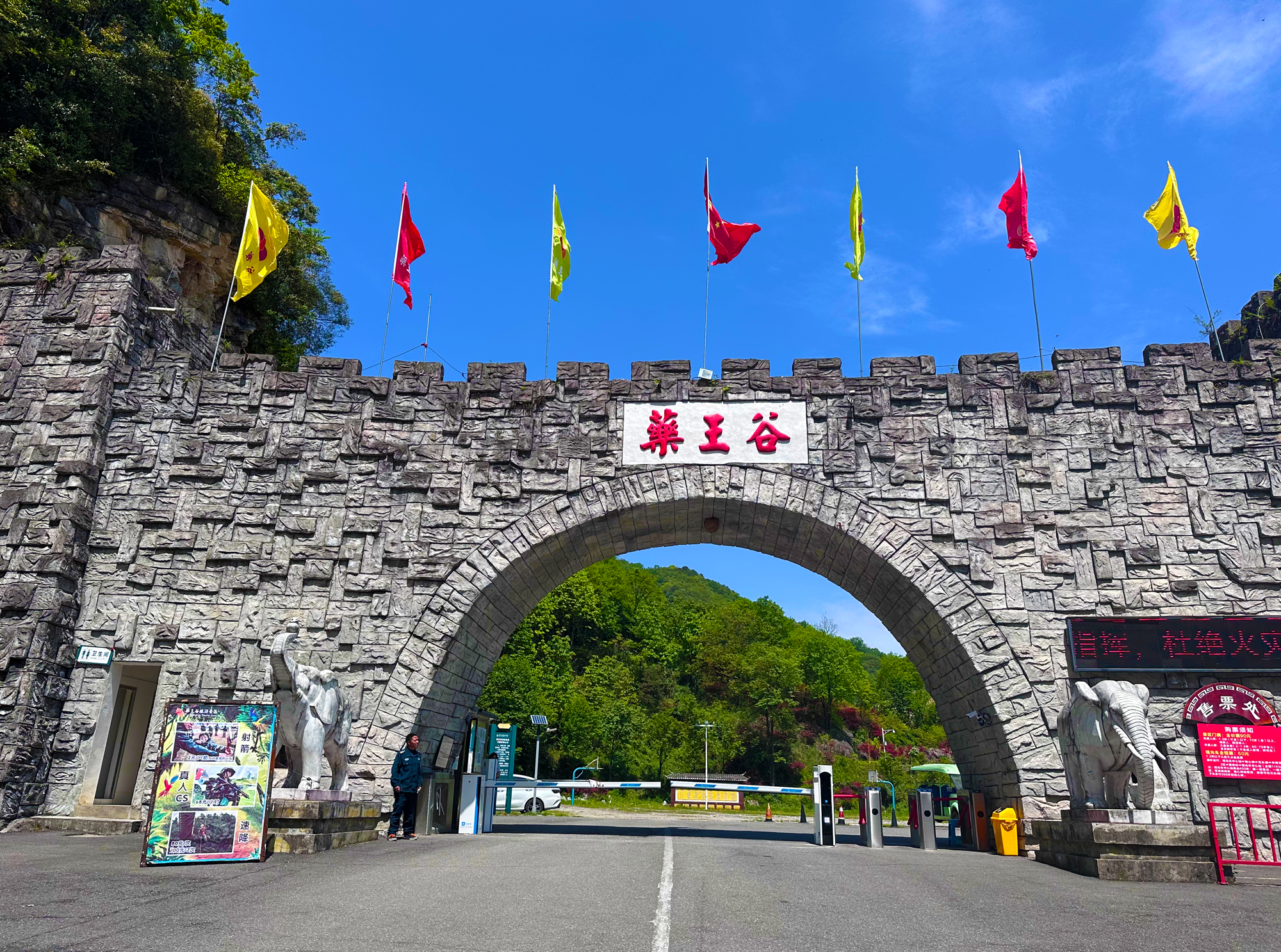
Yaowang Valley Scenic Spot is an excellent leisure resort area especially suitable for families who like roadtrips. Every year around April, the scenic area is filled with blooming flowers and the mountain comes alive with petals drifting on the breeze. It is exquisitely beautiful. In the springtime, many visitors from the surrounding cities like to come here to admire the landscape, to take photos and to enjoy the flowers.
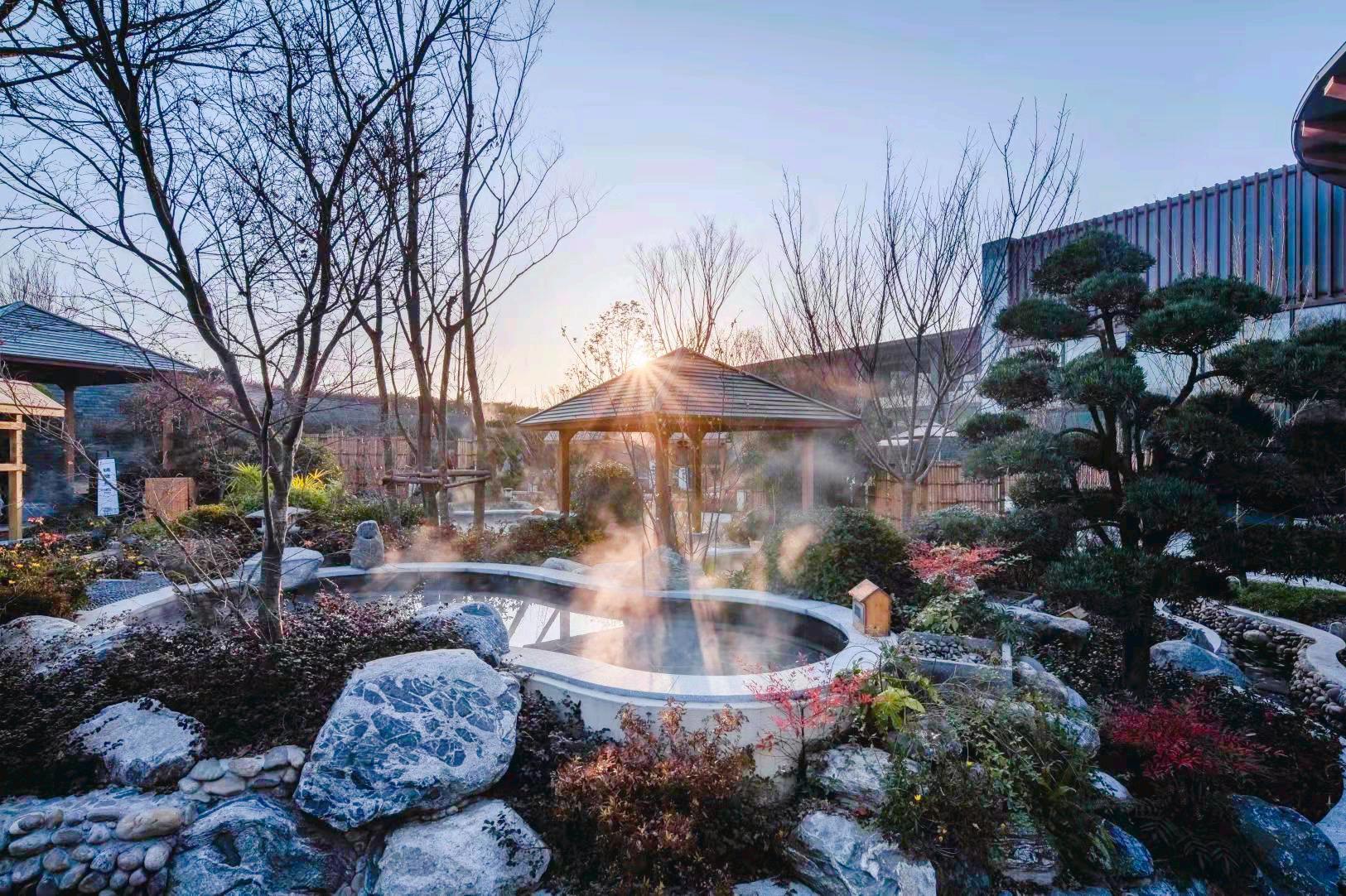
Chengdu Ocean Spring Hotel MGallery by SofitelEnjoy the tranquil atmosphere of returning to nature in the secluded scenic spot of Chengdu JintangEnjoy a soothing retreat in the famous "Hakuba Springs" where hot springs are nourishingFebruary 8, 2021, China-MGalleryThe hotel collection has always been known for its legendary story. Now the collection has added another masterpiece, opening a paradise in a paradise in northeast Chengdu, famous for its healing hot springs.Chengdu Ocean Spring Hotel MGallery by SofitelThe hotel has the closest real radon hot spring to Chengdu, with the healing spring water as its signature feature, creating a leisurely and comfortable resort for guests who love to try new things. Chengdu Ocean Spring Hotel - MGallery by Sofitel is located in Jintang County, Sichuan Province. This pristine area is dotted with picturesque farmhouses, inlaid in the vast wilderness, and the winding rivers nourish the fields.Hakuba Hot SpringsKnown as one of the "Eight Scenic Spots of Jintang" since the Qing Dynasty, the hotel offers exquisite Dining including hot pot, as well as recreational and leisure services. Chengdu Ocean Spring Bay MGallery by Sofitel was designed by Patrick Leung, a famous hotel designer from PAL Design. This holiday destination has 22 luxurious rooms with private viewing balconies in private buildings, and 44 stand-alone villas with exclusive waterfront gardens and private hot spring pools. All rooms are located by the water, and the interior is based on a bright new Asian style, integrating green fields and water elements, as well as local characteristics such as Bashu-style decoration, showing unknown tranquility, legend and charm everywhere. At the core of the hotel is a 3,500-square-meter hot spring center surrounded by beautiful gardens and water systems. There are 21 hot spring therapy pools inside and outside the central garden of the hotel, providing guests with a variety of secluded spa options. Guests can choose from a variety of pools rich in natural healing elements to revitalize the skin and benefit physical and mental health. In addition, the fitness center provides "Shibaoya" fitness equipment to meet sports and fitness needs. If you are interested in enjoying the charm of Sichuan-style entertainment, the nine independent chess and card rooms are equipped with leisure and entertainment facilities such as mahjong and chess and card games. The legendary Baima Yongquan Spring Eye Center is located in the center of the hotel garden, and guests can go and explore it. Chengdu Ocean Spring MGallery by Sofitel has three creative and unique Dining spaces, showing the hidden "flavor".L’OrangeThe mouth-watering delicacies are all made from seasonal ingredients, combining Sichuan cuisine with Western flavors to create signature delicacies such as "Orange Peel Dandan Noodles" and a variety of selected dishes, allowing guests to enjoy delicious and nutritious meals immediately after taking a bath.A private and elegant Chinese dining roomSurrounded by transparent floor-to-ceiling windows, the lush outdoor gardens and flowing water system are brought in, creating a relaxing and pleasant dining scene.Fountain BarIt is the leisure and social place of this resort, where you can enjoy selected teas, themed Afternoon Tea, creative special cocktails and unique snacks. It is an ideal place for friends to gather or for casual business negotiations. The pillar-less grand banquet hall "Ocean Spring Bay Hall" can accommodate 340 people, and the "Yiquan Hall" has excellent natural lighting and can accommodate 90 people, suitable for various formal or casual meetings or celebrations. Other meeting rooms can accommodate 10 to 30 people, suitable for small events or private meetings.Wedding LawnLike an idyllic peninsula, it is decorated with greenery, water systems and pavilions, creating a fairytale dream wedding for guests. The spherical pavilion in the center of the square symbolizes the sacred union of the newlyweds. Here, in the presence of relatives and friends, you can make a promise of "I do" and get married. In addition, the hotel also provides a variety of experience activities to create unforgettable moments and write lasting memories.Chengdu Haiquanwan Sports Resort Community, invested and built by China Tourism Group, covers an area of 2,400 acres. The project will be built around the sports resort community, presenting lakeside beaches, water sports centers, commercial blocks, owner cafeterias, K12 international schools, life aesthetics museums, etc.; it will be built into "China's first UP life sanctuary". At present, hot spring resort hotels and life aesthetics centers have been built; Chengdu Haiquanwan MGallery by Sofitel is the first resort product unveiled by China Travel Chengdu Haiquanwan in Chengdu. China Travel Investment will continue to give full play to its tourism advantages, deepen its roots in Chengdu, and bring more holiday life experiences to Chengdu.
Cuiping Mountain is a provincial-level forest park in Sichuan. It is located in the west of Yibin City, with an altitude of 504.5 meters. The mountain is closely connected with Zhenwu Mountain. Because of the forest of bamboos and trees on the mountain, the mountains are evergreen in four seasons, hence the name Cuiping. The trees on the mountain were completely cut down. In 1953, a state-owned forest area was established. Since 1954, large-scale afforestation has been continuously cultivated. By 1984, it was rated as the second national urban artificial afforestation after Nanjing Zijin Mountain. There are 60 species of 28 families and 11,140 cubic meters of standing trees. There are 36 families and 125 species of understory plants, nearly 100 species of birds, 12 species of wild animals, more than 60,000 square meters of orchards, and more than 7,400 fruit trees. More than 150 living fossil tree ferns have been found. The mountain was turned into a park in 1958, with roads and stone steps built to reach the top of the mountain. There are new tourist attractions such as Baicao Garden, Zoo, Nezha Palace, Sanyou Pavilion, Sanjiang View Building, Bonsai Garden, Children's Paradise, Tea Garden, Open-air Movie Theater, and Cuiping Villa. And a newly built 900-meter aerial ropeway can reach the top of the mountain from the foot of the mountain. The original monuments such as the Thousand Buddha Temple and the Temple of Immortals in the Ming Dynasty have also been renovated. Due to the wide distribution of pine, fir, cypress and other trees, it has become a rare urban forest park. "
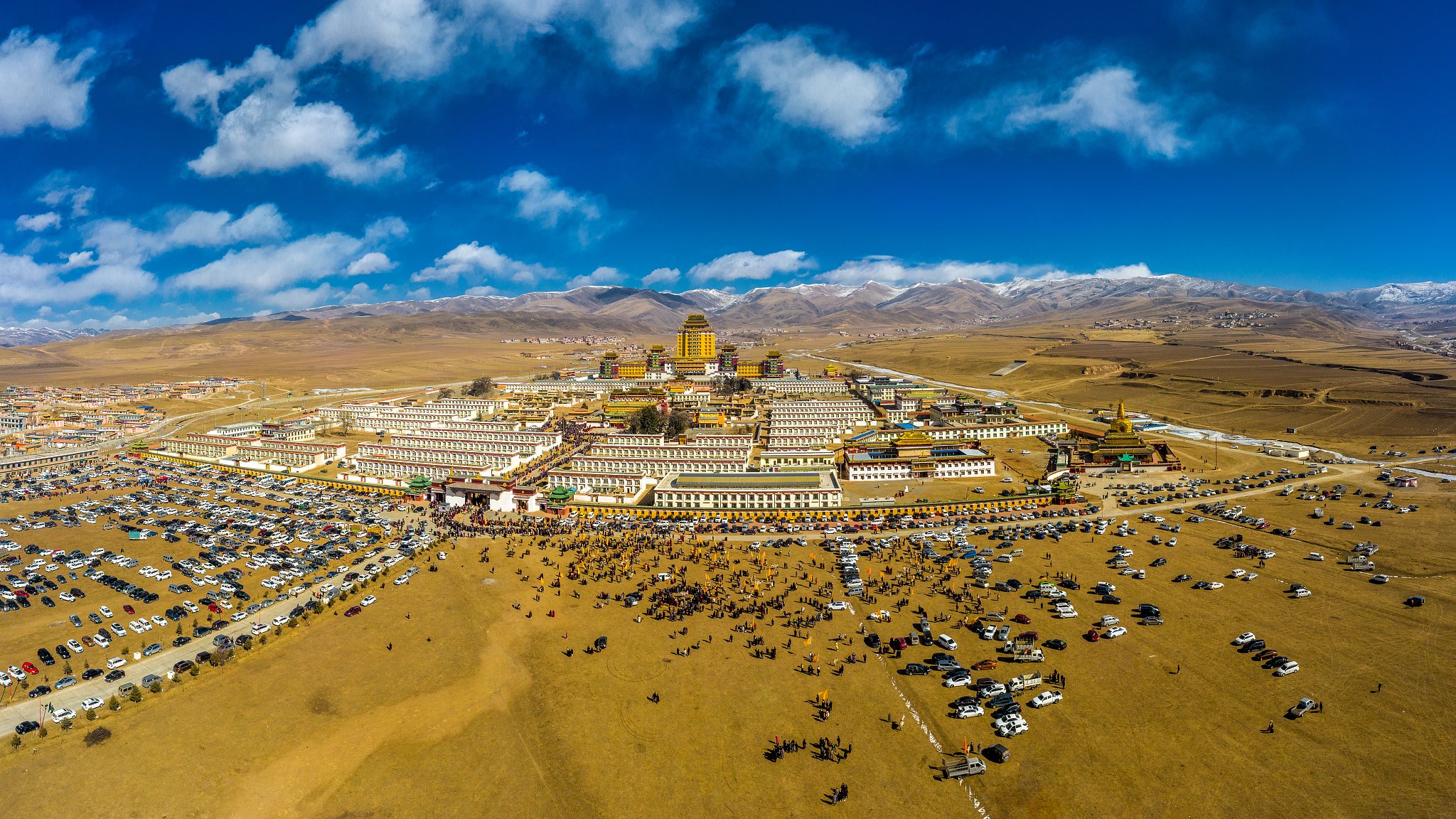
Aba Gemo Temple is located next to Ajiu Road, Tangmai Village, Gemo Township, northwest of Aba County, Sichuan Province. It is also known as Huiyuan Temple. It is one of the three major Gelug monasteries in Aba Prefecture. One of the temples. Gemo Temple was built in the 56th year of Qianlong (1790). Formerly known as Faxiang Temple, it dates back more than 200 years. The Gemo Temple is built on a large grass dam with exquisite and luxurious buildings. Next to the Gemo Temple is the Gemo Temple Xiantian and Esoteric Seminary.
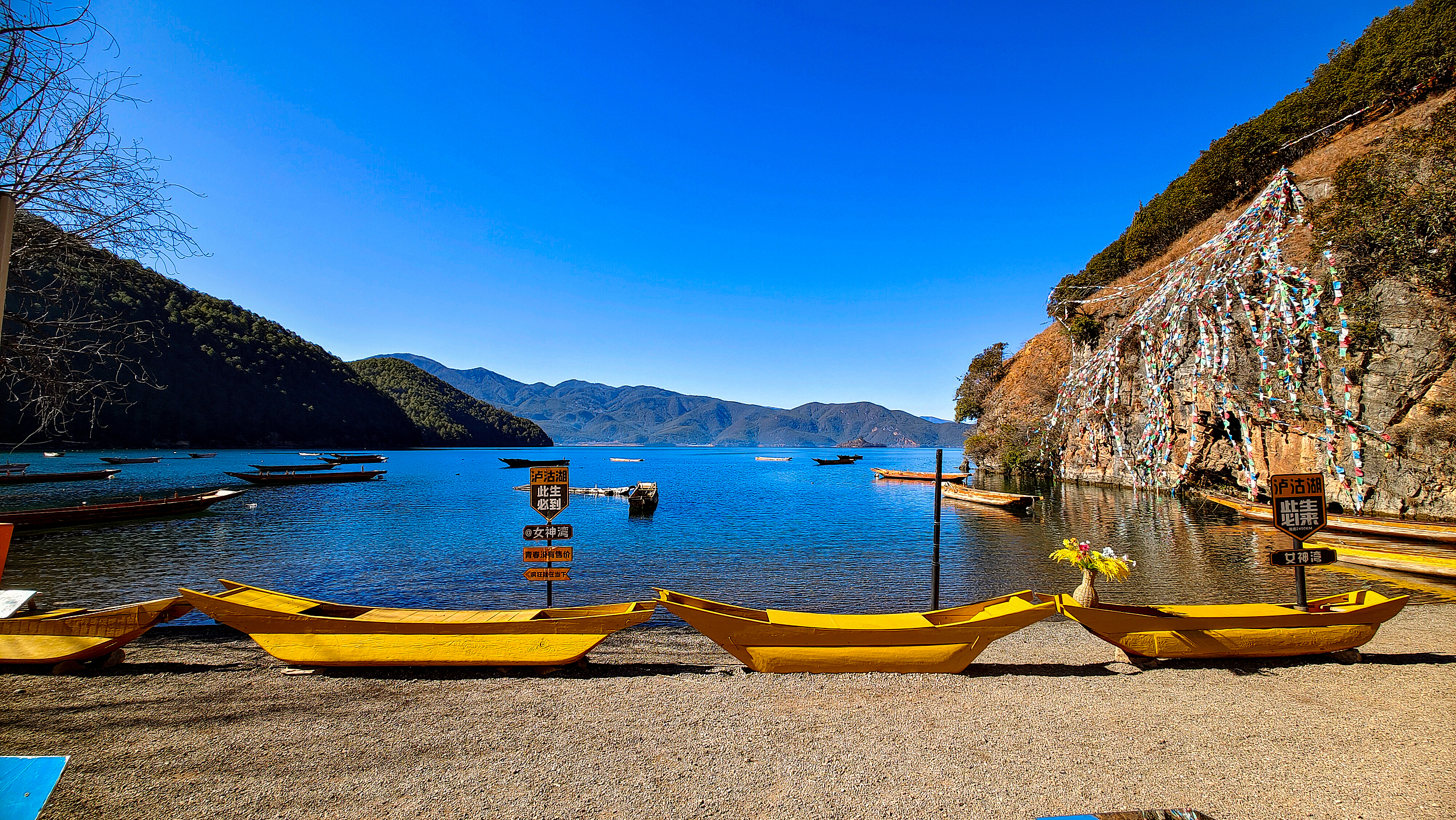
Lugu Lake’s Goddess Bay is a tranquil little waterfront town facing Gemu Goddess Mountain. Lugu Lake’s Goddess Bay is a favorite place among photography lovers who visit the area. As night begins to fall and the sun begins to set behind the red clouds, this is an especially beautiful vista that is sure to incite feelings of wonder and grandeur. Lugu Lake’s Goddess Bay has a few guesthouses where tourists may choose to spend the night.
20–60 minutes
From USD 10.33
주요 포인트
Night viewNo. 6 of Cool Water Escapes in Liangshan Prefecture
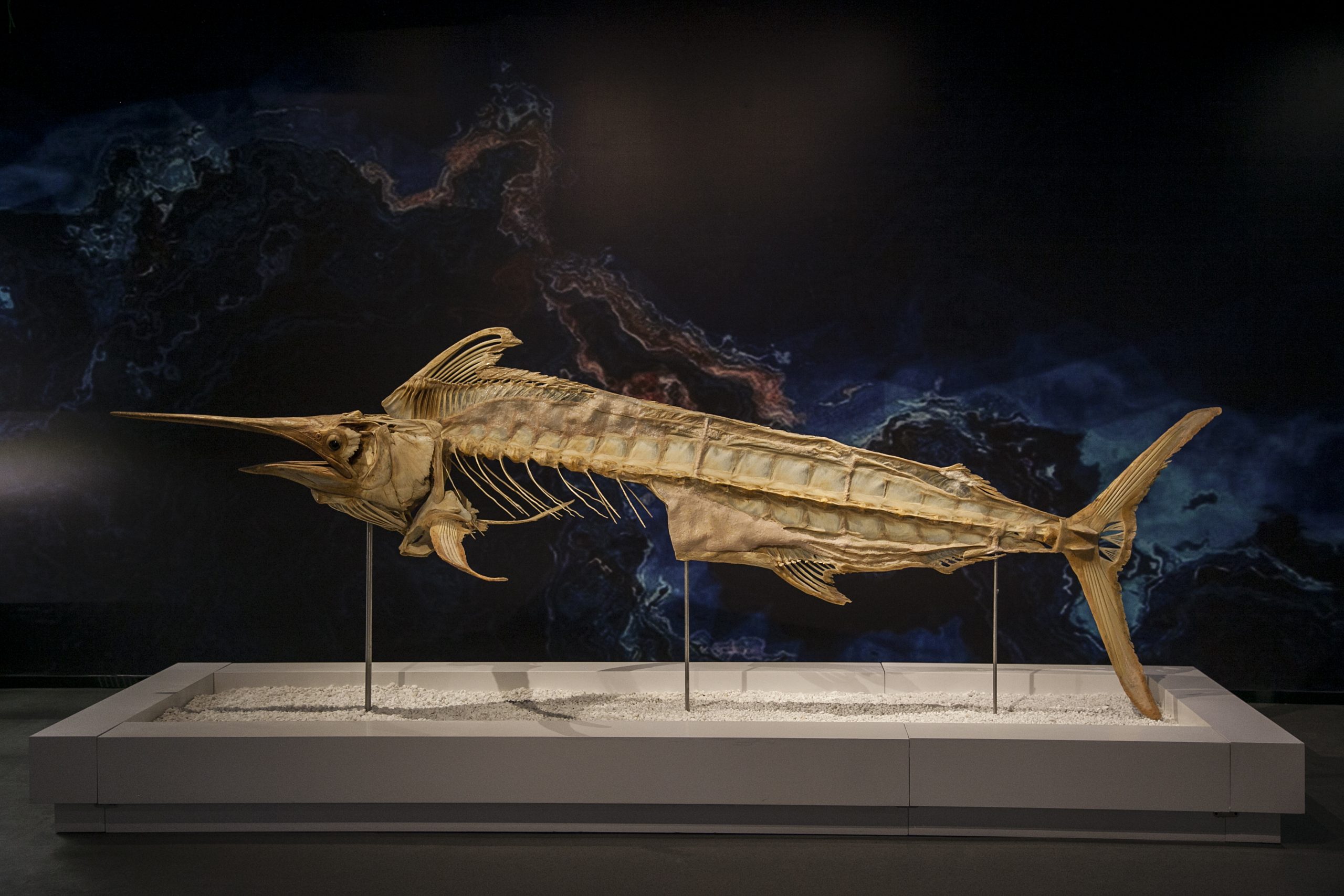
The Museum of Life Mysteries is where you can get an entertaining education about people, rare animals and sea creatures. Gain a deeper understanding of the meaning of life when visiting this distinctive exhibition. For explorers and lovers of history, the halls displaying the "Mystery of the Human Body" and "Darwin's Evidence" exhibitions present ground-breaking natural wonders to explain the evolution of vertebrates. The artistic themes and other rare specimens embody the nature and achievements of the museum's award-winning reputation. The layout of the Museum of Life Mysteries reveals elaborately arranged showpieces that are candid, vivid and beautiful so you can observe the displays from an in-depth, insider's perspective.
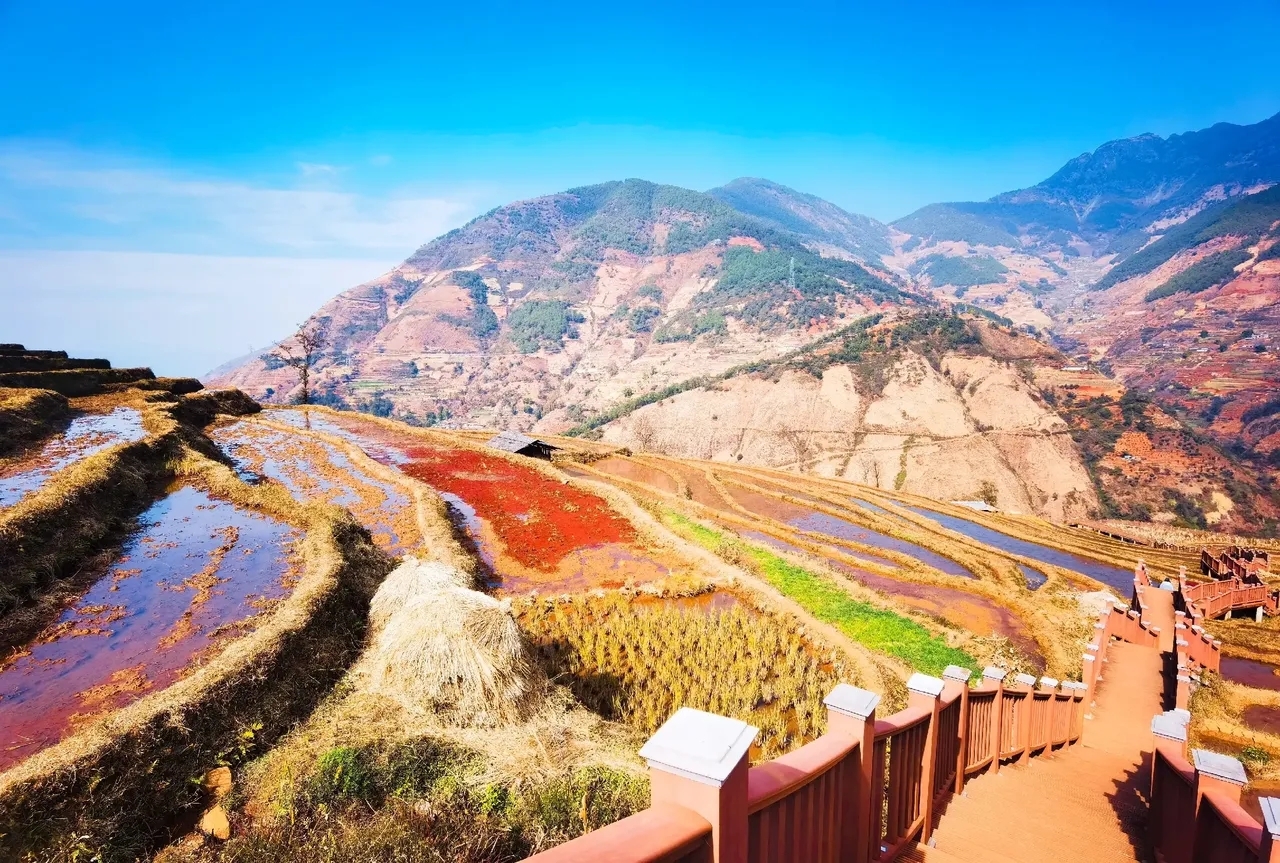
The Johor Bahru Rice Terraces are a natural attraction famous for their spectacular terraced landscape. The terraces are built on the mountain, layer upon layer, showing different colors and styles as the seasons change. In spring, the fields are full of water, reflecting the blue sky and white clouds; in summer, the fields are lush and green, and the rice grows luxuriantly; in autumn, the fields are golden and the harvest scene is moving. Tourists can hike along the paths in the fields to experience the magnificence of the terraces and the charm of farming culture up close. Early morning and evening are good times to take pictures of the terraces, with the light and shadow interlaced, and the scenery is particularly charming. Visitors are advised to wear comfortable walking shoes and bring sun and rain protection equipment to cope with the changeable mountain weather. There are some local villages around the Johor Bahru Rice Terraces, where visitors can experience the strong local atmosphere and simple folk customs. The villagers are friendly and enthusiastic, and some families provide simple catering and accommodation services, which are convenient for tourists to experience local life in depth.
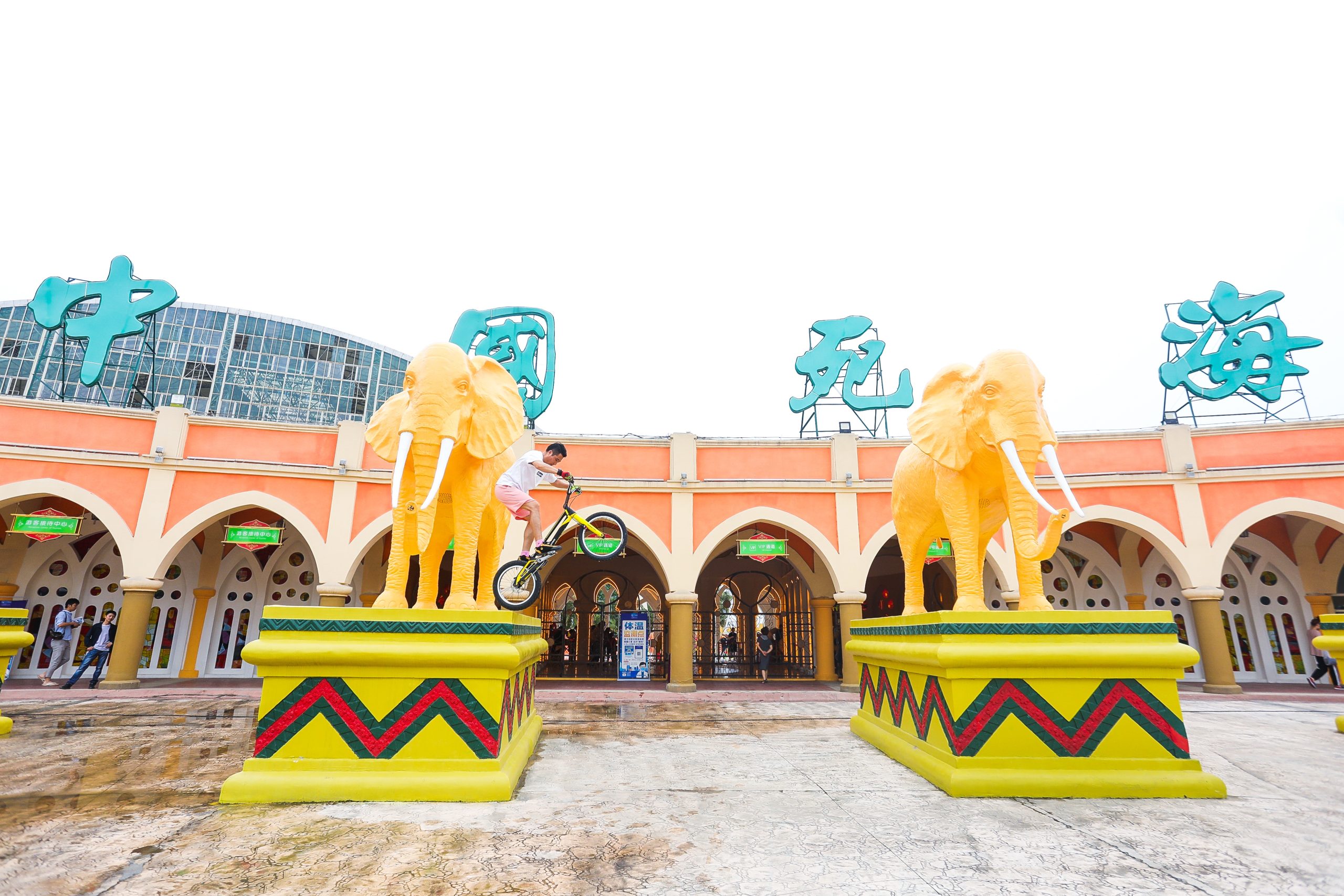
Located in Daying County, Suining City, China’s Dead Sea is a great expanse of water, most of which comes from an ancient underground salt basin formed by orogenic processes (the deformation of the earth's crust and upper mantle by interactions between plate tectonics), and was drawn up using ancient salt well technology. Here you can experience the interesting phenomenon of floating on the lake’s surface because of its high salt content. The scenic area also has sand beaches and opportunities for enjoying rafting, surfing, and relaxing in hot springs.
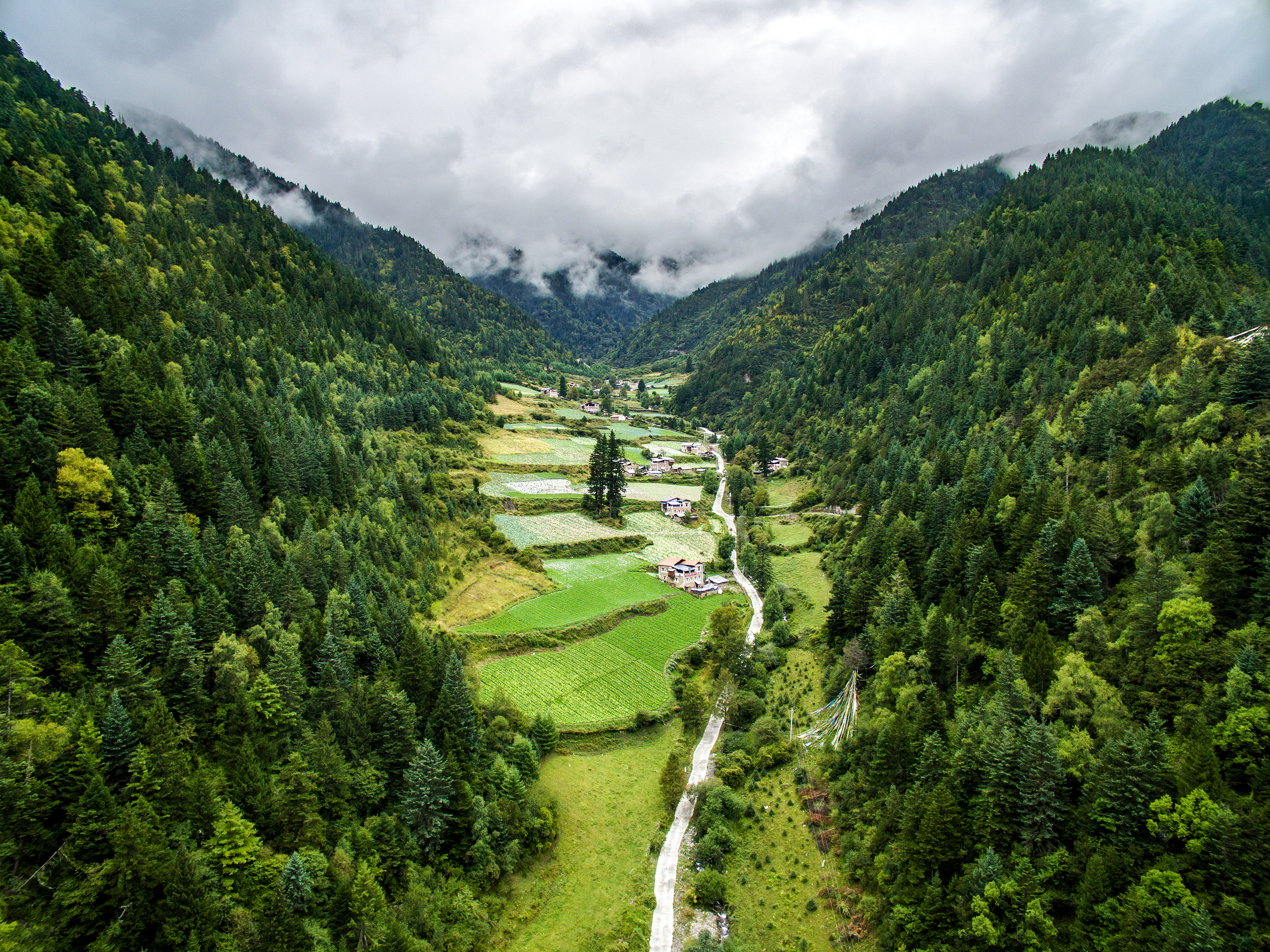
Miyaluo is a Tibetan language, meaning "fun Bazi". It is located in Li County, Aba Prefecture. The scenic area has continuous mountains and pleasant scenery. You can enjoy the red leaves, which is very spectacular. In addition to the red leaves all over the mountains and plains, the Tibetan and Qiang ethnic villages hidden in the deep forest are another highlight of the Miyaluo Scenic Area. The most beautiful time of the scenic spot is in autumn, starting from the end of September and October every year, where the Zagunao River Valley ("Zagunao" means "auspicious" in Tibetan) is full of maple trees, maple trees, birches, geese in the dense forests on both sides of the river. Palm pine, larch, etc. are gradually frosted, and the leaves are dyed into a beautiful bright red. The scenery is very spectacular. Be sure to take pictures. It is recommended to charter a car tour, so that you can park at any time, after all, the scenery is on the side of the road.
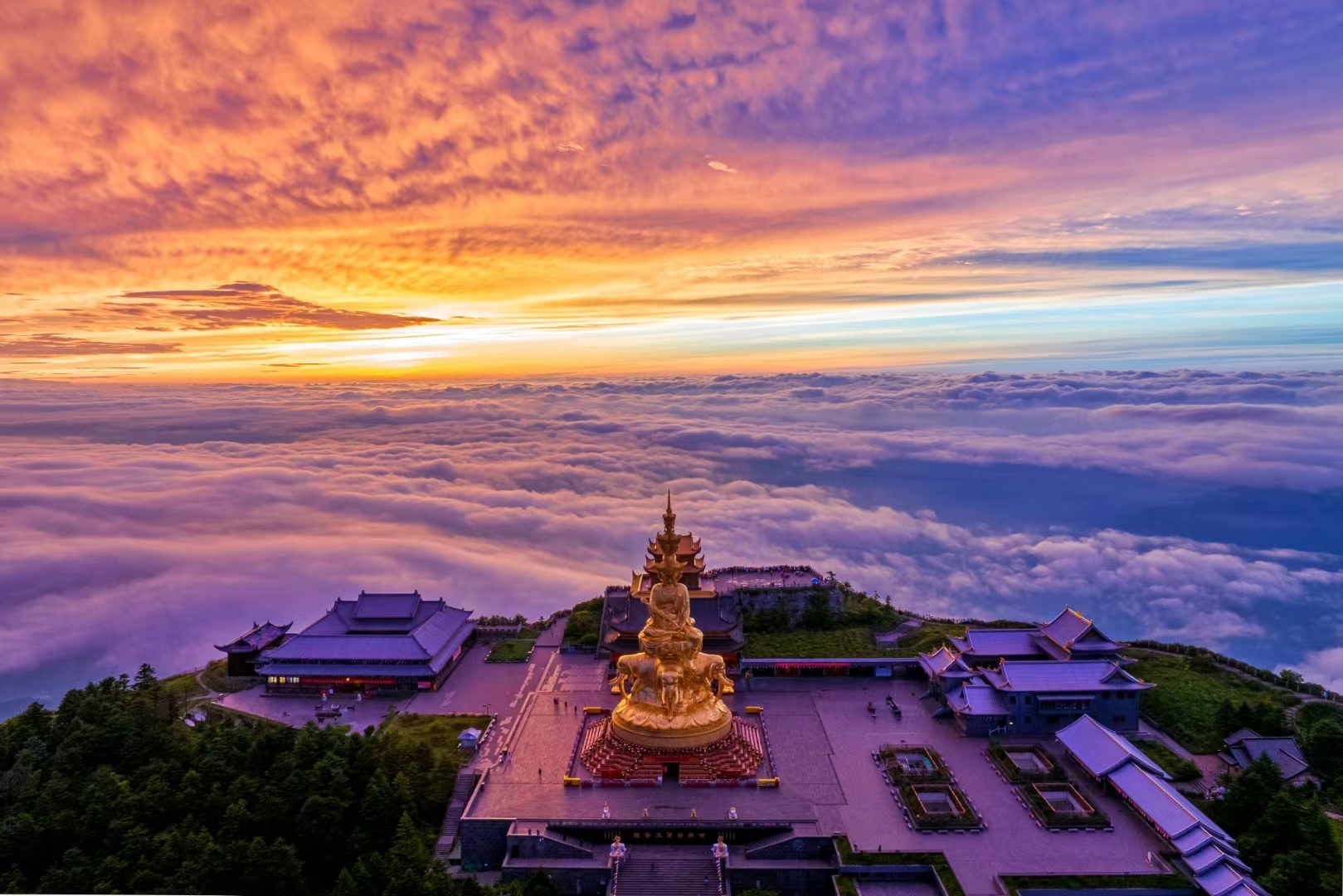
Zero Kilometer is located on the mountainside of Mount Emei, with an altitude of more than 1,300 meters. The climate is warm but not hot, making it a good place to escape the heat in summer and watch snow in winter. The place is surrounded by clouds and mist, and there are many special farmhouses, just like the residence of immortals.All the way through the clouds and mist, through the flowers and willows, the quaint houses come into view, the wooden houses, the spotless courtyards, the scenery of small bridges and flowing water, the conference rooms, guest rooms and bars that combine the quaint and modern, make people feel like they are in a paradise. Take a deep breath, it is the fresh air containing negative oxygen ions that makes people feel relaxed and happy.
Shuzheng Village is the most prosperous of the nine Tibetan villages in Jiuzhaigou. The larger of the nine white pagodas at the entrance of Shuzheng Village represents Shuzheng Village. These nine white pagodas are called the Nine Treasures Lotus Bodhi Pagodas. They represent the unity of the nine Tibetan villages and pray to God for peace and happiness. There is also a folk culture village in Shuzheng Village, where you can appreciate the Jiuzhaigou Tibetan architectural style, the colorful paintings on the doors and windows, and the local costumes, experience the daily life of the locals, and feel the local clothing, food, housing, and transportation.
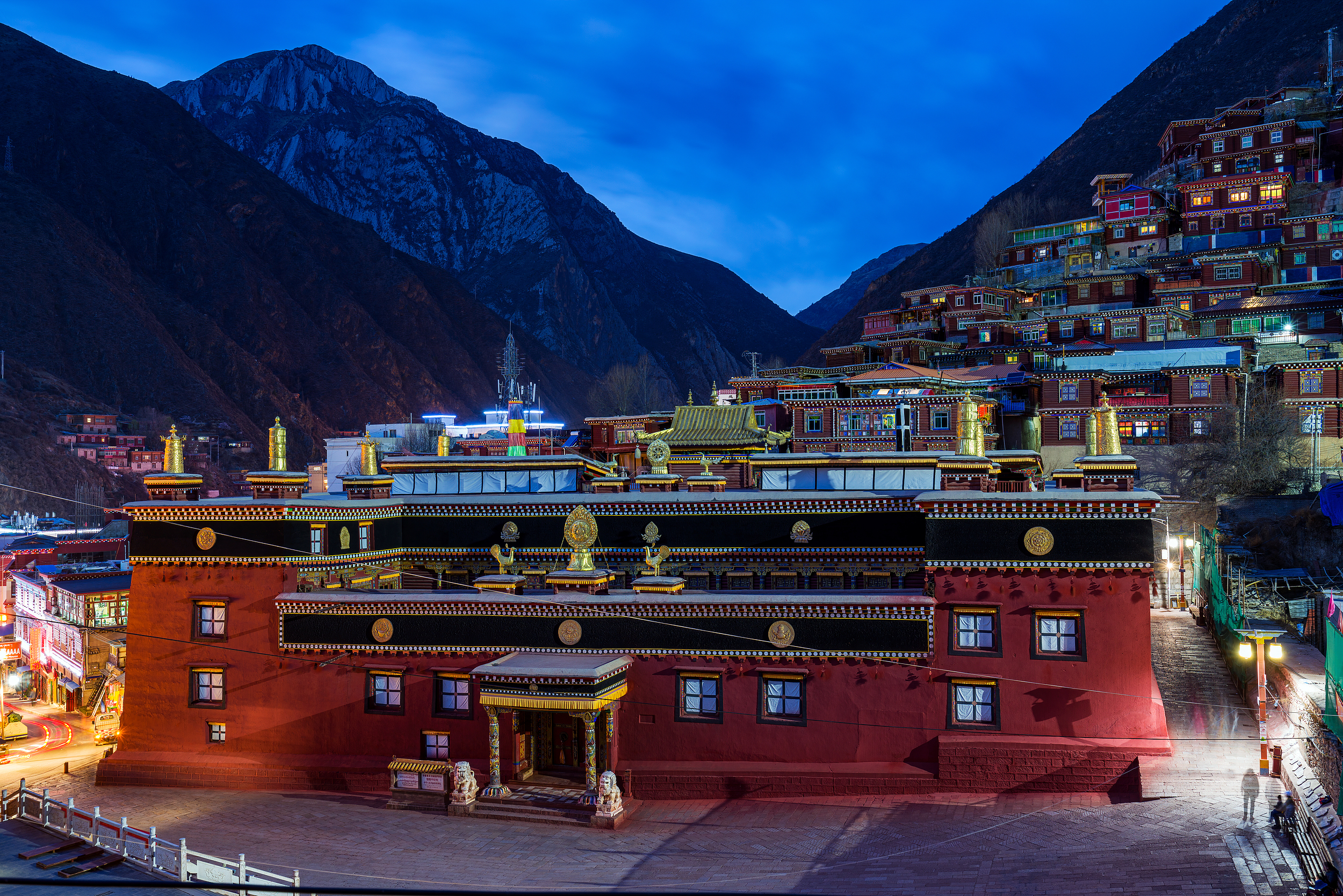
Dege Sutra Printing Institute, also known as "Dege Auspicious Juhui Sutra Printing Institute", is located in Gengqing Temple, a Sakya sect temple in Dege County, Sichuan Province. The Dege Sutra Printing Academy has a history of more than 270 years. It has collected more than 830 various classics and more than 290,000 woodcut printing plates. Its classics are of high value for the study of Tibetan history, economy, religion, and medicine. The Sutra Printing Institute still retains the original manual engraving and printing method, and prints Buddhist classics such as Tripitaka, Ganyur, and Danyur. All have strict quality standards to ensure that the scriptures are clear and durable. Due to the climate, the Dege Sutra Printing Institute only prints scriptures for half a year, from March 15th to September 20th in the Tibetan calendar. During this period, people can visit and worship in the courtyard, which is called "Balchadong". Dege has become the birthplace of the Kham standard Tibetan language, which is not unrelated to the rich cultural accumulation of the Sutra Printing Institute. Dege Sutra Printing House and Gengqing Temple were originally one of Dege Tusi's family temples.
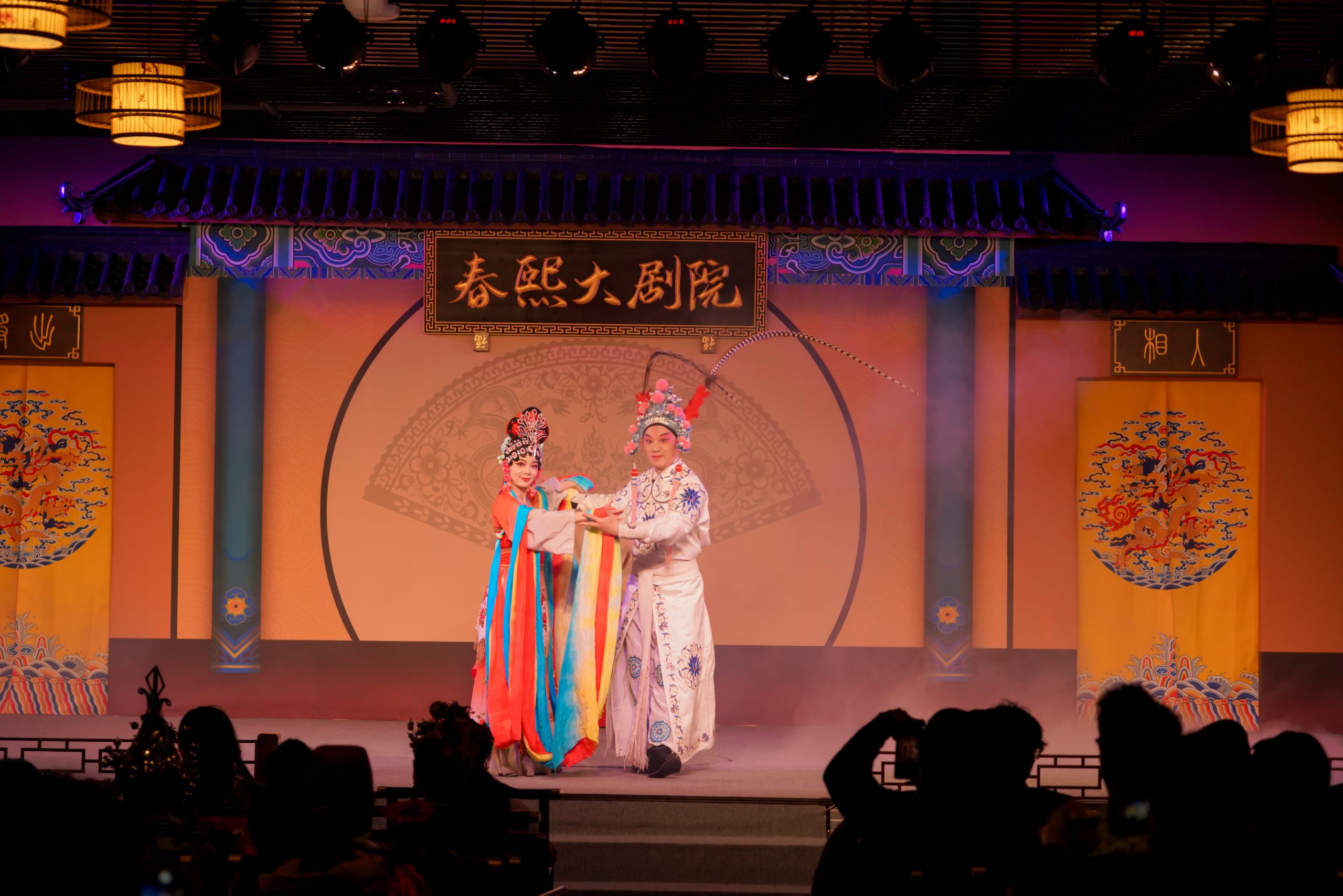
Meihua Theater (Chunxi Grand Theater Branch) is located on Tidu Street in Qingyang District. As a veteran theater troupe with 40 years of performance history in Chengdu, Chunxi Grand Theater currently operates two venues in the Taikoo Li and Chunxi Road business districts of Chengdu. The performers in exquisite costumes create a poetic spectacle on stage, offering audiences a visual feast. Both venues provide opera costume and makeup experiences, allowing visitors to try on costumes and take photos after the show—a perfect way to immerse in Bashu culture and celebrate China's traditional artistic heritage. Today, these two venues not only serve as the "Sichuan Opera Practice Base" recognized as a national intangible cultural heritage, but have also partnered with the Chengdu Charity Federation to establish a public welfare fund for Sichuan Opera transmission, contributing to the preservation of this cultural art form. Pioneering the "Parent-Child Special Sichuan Opera Show," they've attracted numerous families to experience and learn about Sichuan Opera. These integrated educational venues are perfect for all ages, offering immersive Sichuan Opera appreciation experiences.
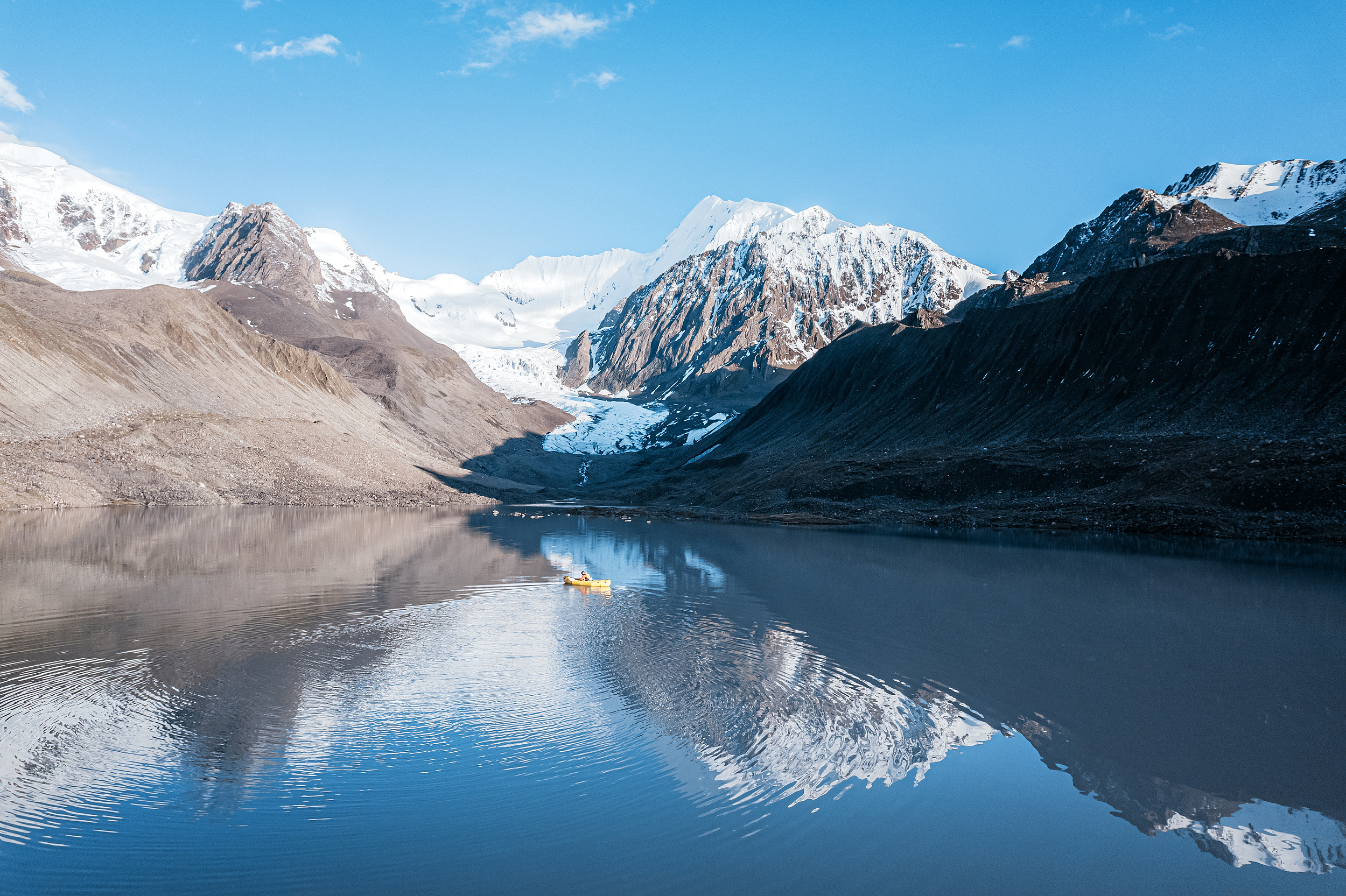
Leduomanyin Snow Mountain is located on the Gongga Grand Loop. It is the northern satellite peak of Gongga Snow Mountain, with an altitude of 6,112 meters. The Leduomanyin Glacier at its foot is a valley glacier with strong stability, suitable for ordinary hikers.
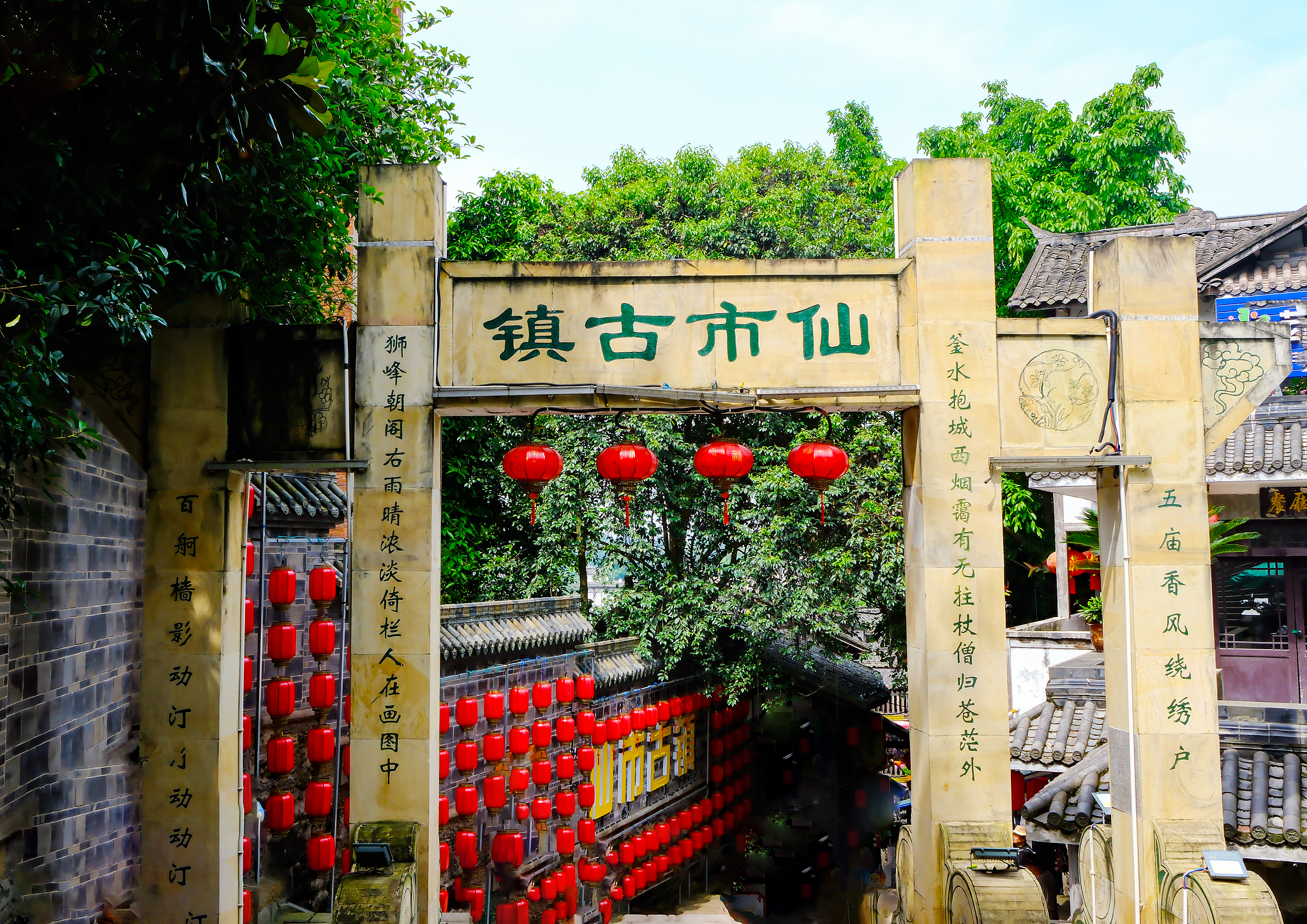
The ancient town of Xianshi is nestled on the banks of the Fuxi River. This thousand-year-old ancient town has experienced countless ups and downs and still retains its charm. This is not a popular tourist town, and there is almost no commercial atmosphere here. You can feel the quaint and quiet atmosphere of the original ancient town. When you visit the ancient town of Xianshi, you don't have to walk around and watch the flowers. The ancient town is full of leisure and tranquility, and you can visit slowly. The streets are lined with many buildings of Qing Dynasty, which are unique in style. Take pictures of these buildings with a camera, and you can draw pictures of humanistic architectural landscapes. There are many Buddhist temples in the town, there are many statues of Buddha statues, incense is lingering all year round, and the bells of ancient temples echo the ancient town. It is a good choice to burn incense and worship Buddha in the temple for peace.
1–2 hours
Free
주요 포인트
Historic landmarkNight viewNo. 5 of Night Attractions in Zigong